Austria Road Trip: Routes, Passes & Driving Tips
Plan an Austria road trip: route options, vignette and toll rules, Alpine pass seasons, and where a car helps or hurts. Check closures before you go.
On this page
Last updated November 2026: a one-way Austria road trip from Innsbruck to Vienna is the easiest default, and about a week suits it. Every driver needs a motorway vignette, and some Alpine roads charge separate tolls or close for winter. Our driving in Austria guide covers the full rules, and this page helps you pick a route.
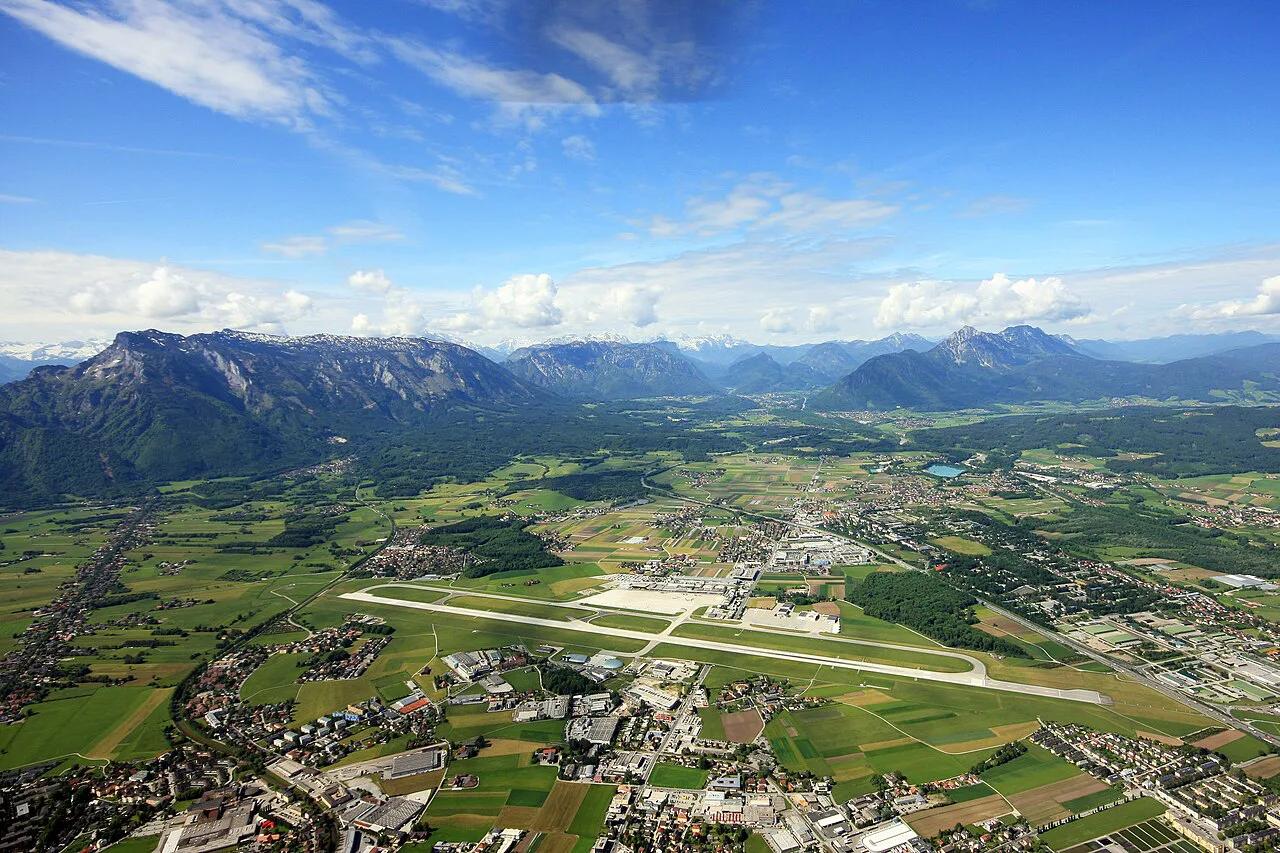
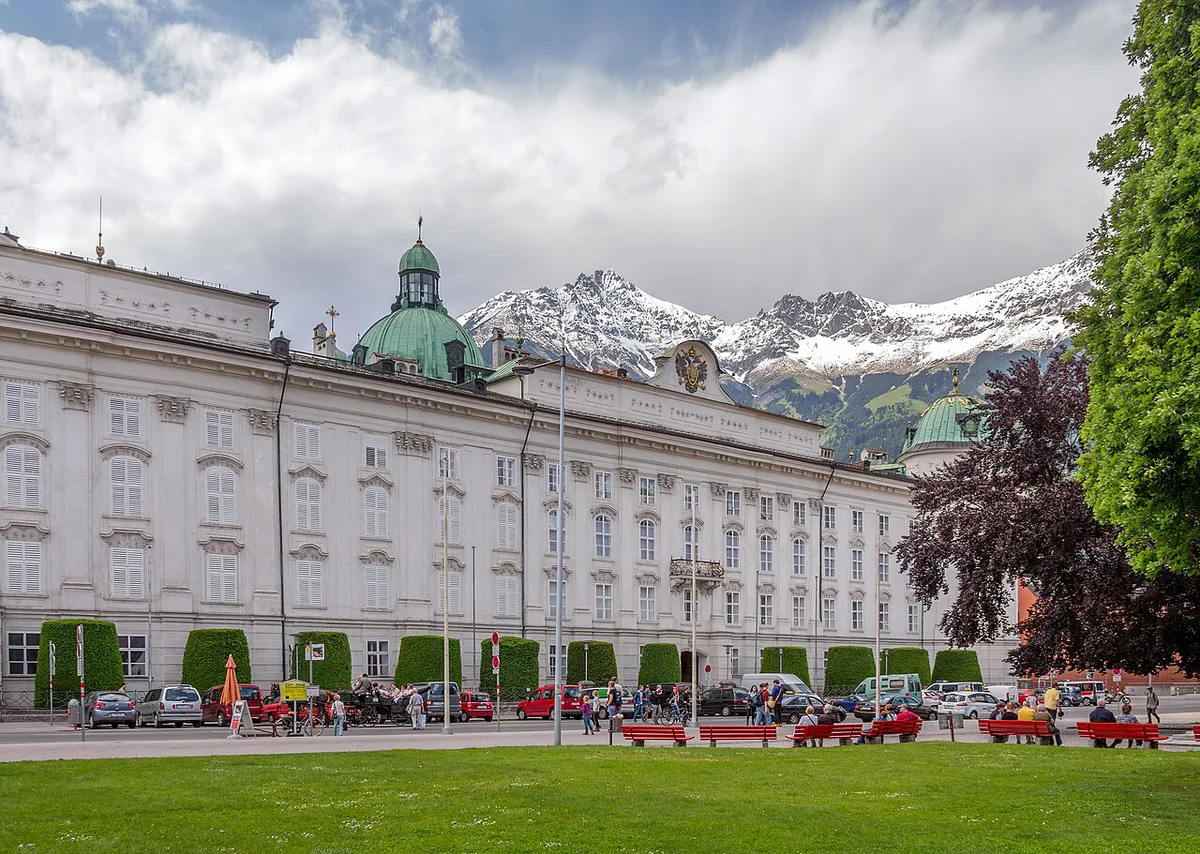
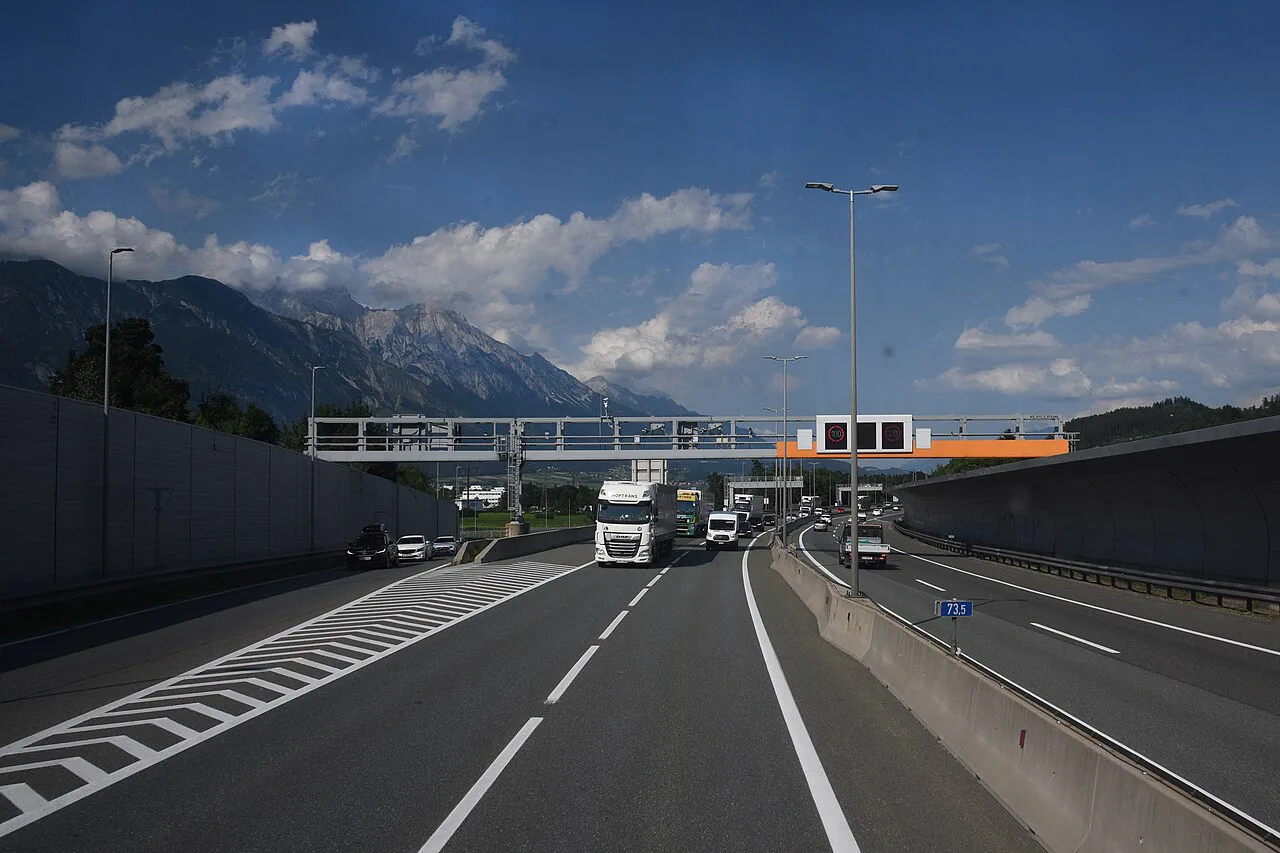
Featured image: mendhak, CC BY-SA 2.0, via Wikimedia Commons.
Austria Road Trip at a Glance
Start in Innsbruck and finish in Vienna, with stops in Zell am See, Hallstatt, Salzburg and the Wachau. That route covers about 390 miles and 8 hours 22 minutes of driving, so a week leaves room for sightseeing. Prices and hours checked November 2026. Pick up the car at an airport or rail station, and drop it in another city only after you have priced the one-way fee.
| Question | Short answer |
|---|---|
| Best default route | Innsbruck, Zell am See, Hallstatt, Salzburg, Melk, Vienna |
| Driving distance | About 390 miles (roughly 628 km) |
| Pure driving time | About 8 hours 22 minutes across five legs |
| Suggested length | About a week, with Alpine detours adding days |
| Must-have | Motorway vignette on the car |
| Car-free zones | Vienna center, Hallstatt center, Salzburg old town |
Choose Your Austria Road Trip Route
Four routes work, and each trades scenery against driving effort. Treat them as options rather than fixed itineraries, and add alpine detours only when the weather allows.
| Route | Best for | Skip if |
|---|---|---|
| Classic west to east: Innsbruck, Salzburg, Wachau, Vienna | First-timers who want cities, lakes and a river valley in one pass | You dislike one-way rental fees |
| Alpine passes and high-road loop | Drivers who want mountain scenery over city time | You are traveling outside summer or have a nervous passenger |
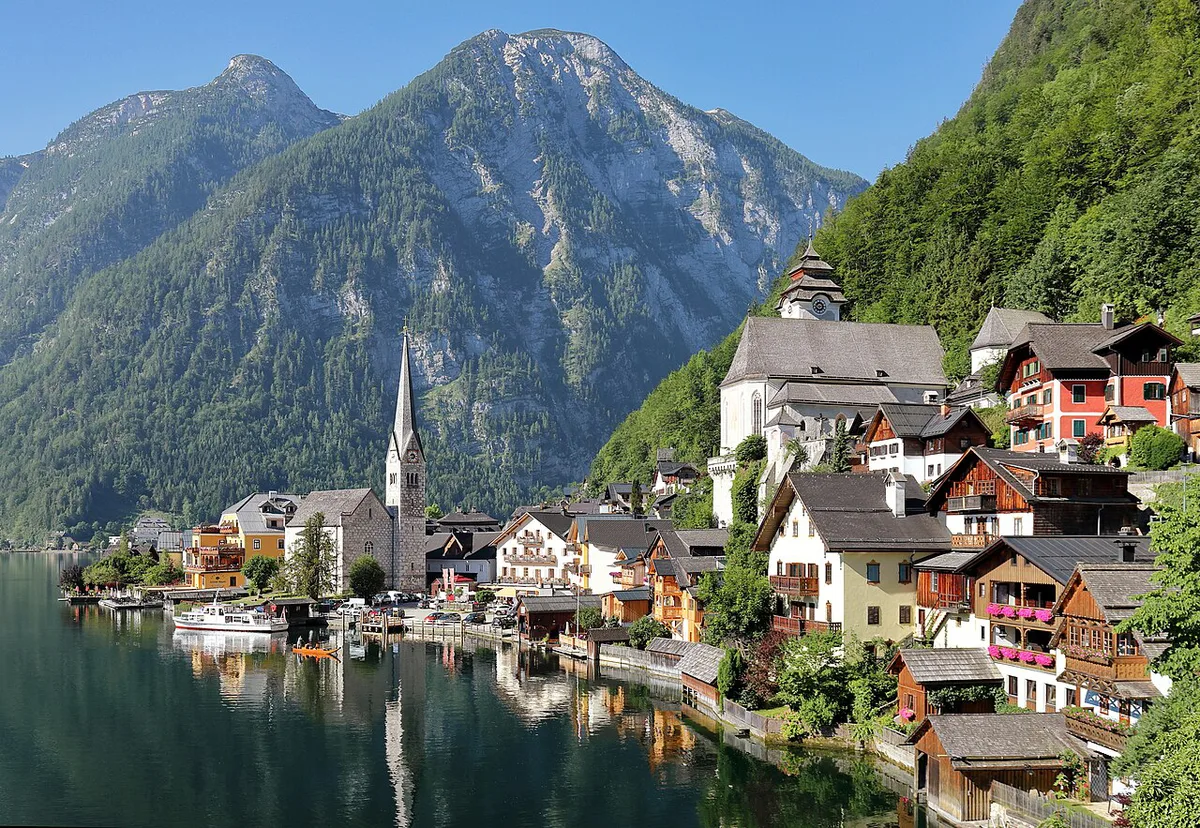
| Lakes and Salzkammergut | Short legs, swimming stops and families | You want big-city culture |
| Wachau wine and Danube add-on | A relaxed day or two before Vienna | You plan to drink at tastings and drive the same day |
The Classic Route: Innsbruck to Vienna
This route runs west to east on the motorway network, with each leg short enough for a morning drive. Use the table for planning, then add time for stops. Kufstein sits between Innsbruck and Salzburg and makes a natural break on the first leg. Distances are rounded from routing figures, and kilometer values are converted from miles.
| Leg | Distance | Drive time |
|---|---|---|
| Innsbruck to Zell am See | 99 miles (about 159 km) | 2h 24 |
| Zell am See to Hallstatt | 68 miles (about 109 km) | 1h 42 |
| Hallstatt to Salzburg | 44 miles (about 71 km) | 1h 12 |
| Salzburg to Melk | 131 miles (about 211 km) | 1h 57 |
| Melk to Vienna | 54 miles (about 87 km) | 1h 07 |
| Total | 390 miles (about 628 km) | 8h 22 |
- Zell am See: lake esplanade and the Schmittenhöhe cable car for mountain views.
- Hallstatt: leave the car at a parking garage and take the shuttle or a short walk to the center.
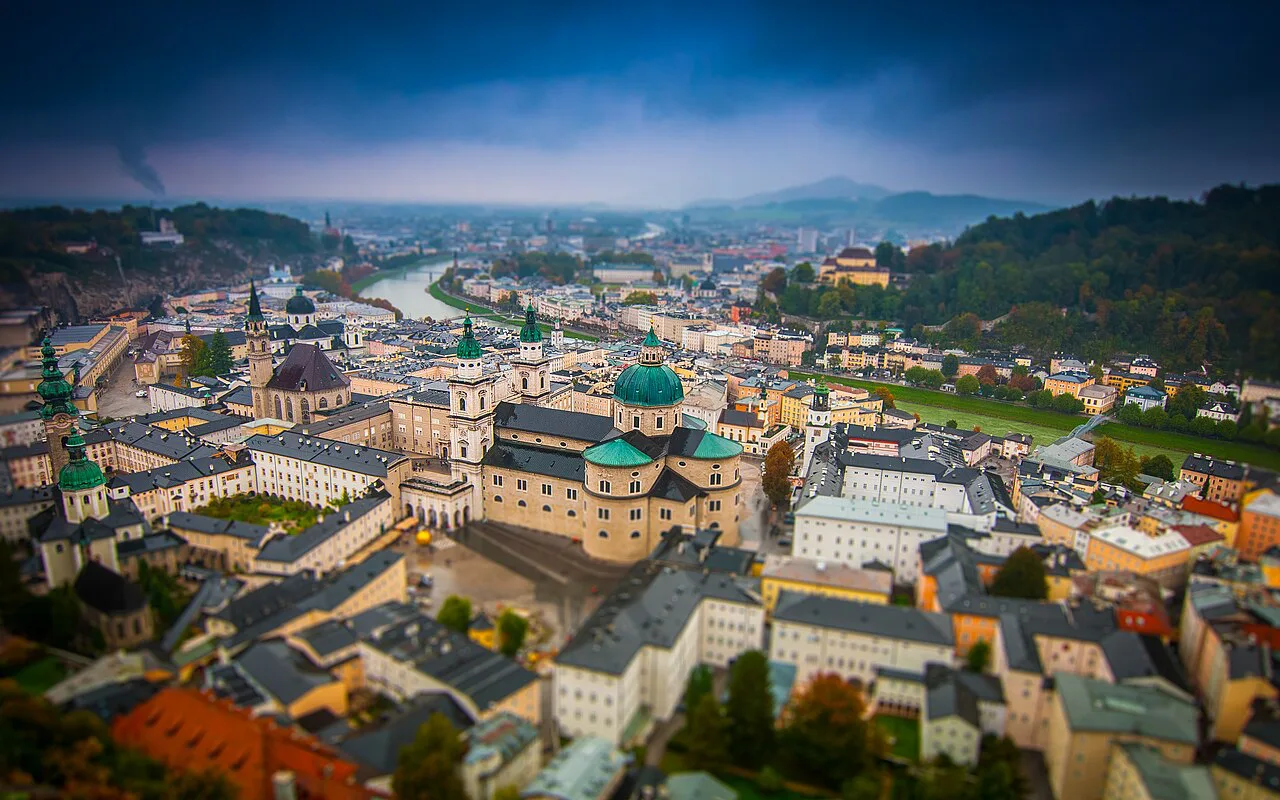
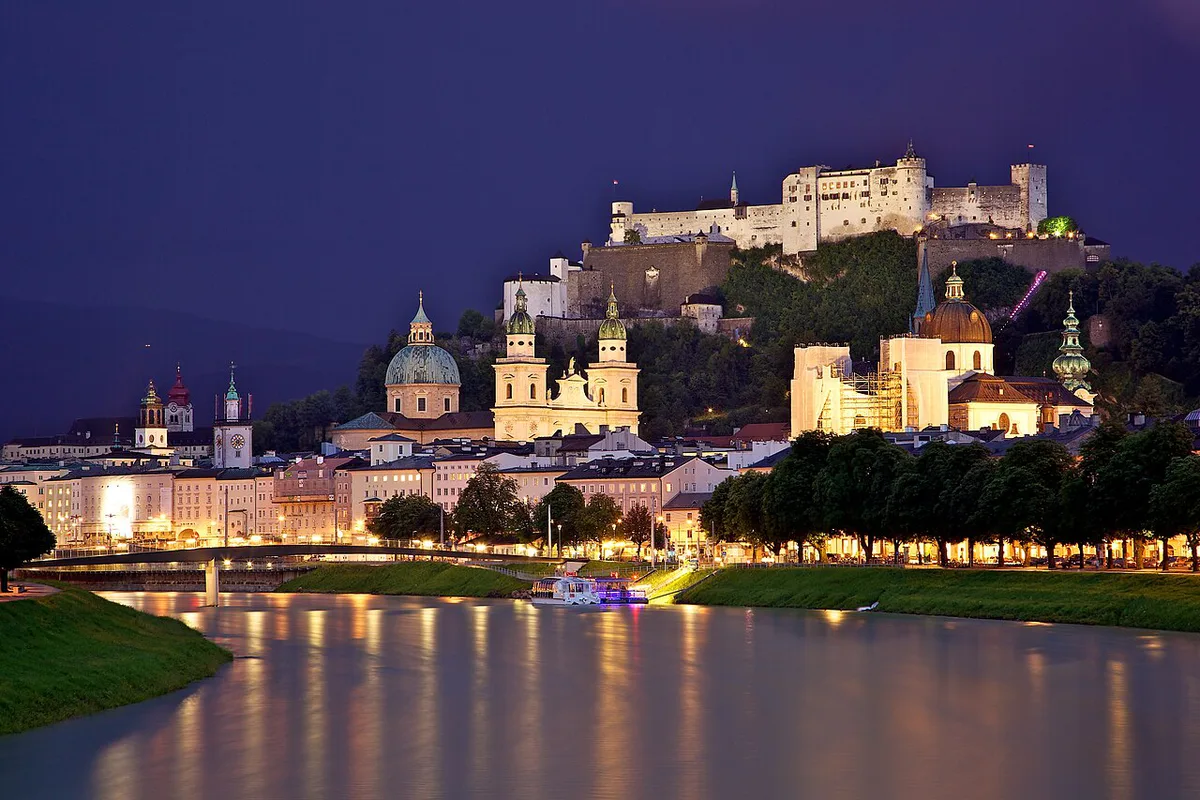
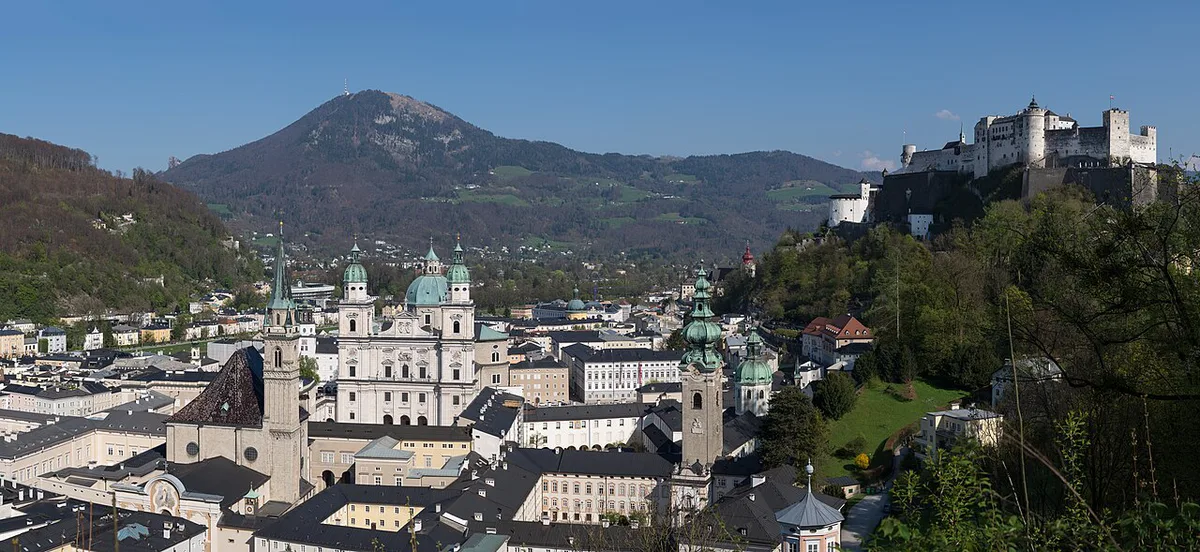
- Salzburg: the fortress, baroque center and Museum of Modern Art reward a full day on foot.
- Melk and the Wachau: the A1 leads toward Melk, and exit 80 puts you on the B3 for the abbey and wine villages.
Alpine Passes and Scenic Roads
High roads turn an Austria road trip into a driving holiday. Each one has its own toll, opening season and gradient, so give every pass its own half day. The Silvretta high road is the best-known loop, and its operator, Silvretta Bielerhöhe, posts current status. Another toll route is the Gerlos Alpine Road, which has its own operator site at gerlosstrasse.at. In Tirol, read about the Arlberg road, the narrow Hahntennjoch pass road and the Kaunertal glacier drive. For a tunnel shortcut under the Hohe Tauern, see the Felbertauern toll tunnel, whose operator publishes rates at felbertauernstrasse.at.
Vignette, Tolls and Tunnels
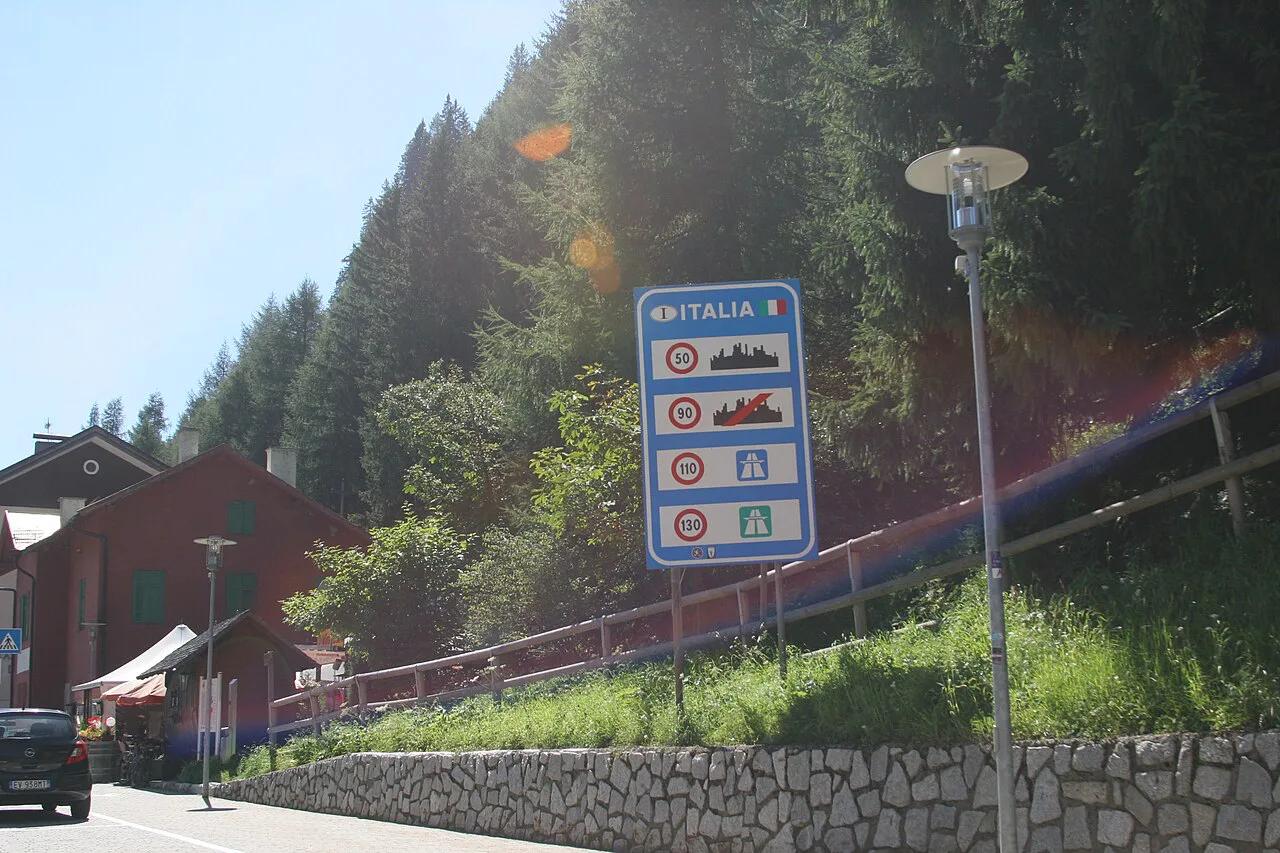
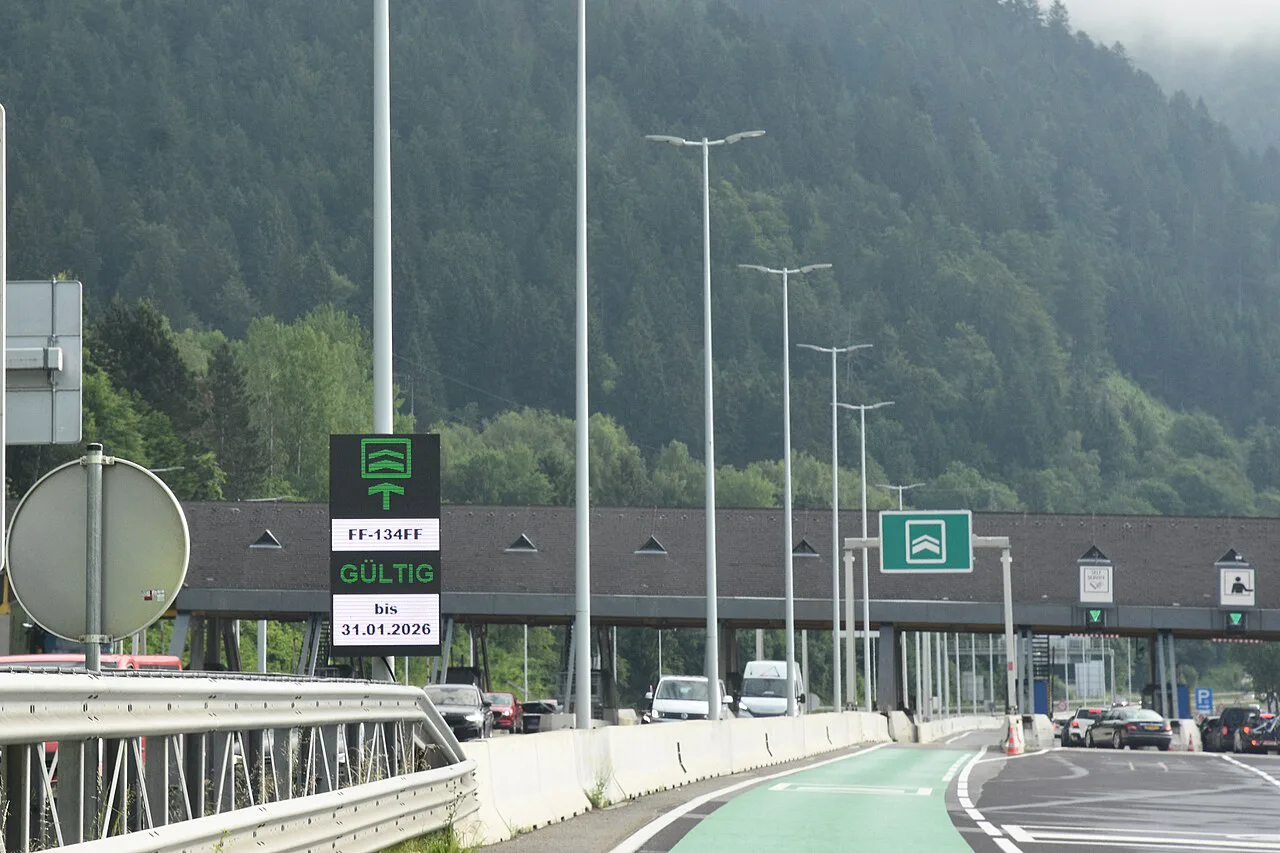
Austrian motorways require a vignette, and the sticker or digital version must be valid before you join the first Autobahn. Our guide to motorway vignette rules explains the options. Several roads charge on top of the vignette, so read about separate toll roads before building a route around them. The Arlberg road tunnel is one example. Route planners that cross into Italy should also read the Brenner route notes. Rental cars often carry a vignette already, so check the windshield at pickup. Keep to posted limits, and see the speed limit rules for each road type. The motoring club ÖAMTC publishes current driver information.
When to Go: Seasons and Road Closures
High Alpine roads and passes are seasonal, and snow, chains and winter tyres decide what is open. Plan the Alpine detour for summer and early autumn, and read each operator's status page before you commit. The Wachau changes with the season too, with apricot blossoms along the riverbanks in spring and red and yellow vineyards in fall. Low-level motorways on the classic route stay open in winter, but conditions in Tirol and Salzburg can still change quickly. Regional updates appear on Land Tirol.
| Road type | Season logic | Winter plan |
|---|---|---|
| Autobahn legs | Open year-round | Carry chains and winter tyres when conditions require |
| High Alpine toll roads | Seasonal, with opening dates set by the operator | Swap for a motorway or tunnel route |
| Valley passes | Weather dependent | Check status on the day |
Where a Car Helps and Where to Skip It
A car pays off for Alpine detours, the Wachau and lake villages that trains reach slowly. It hurts in cities. Vienna's center was designed for pedestrians, parking is a hassle, and public transport covers the sights well. Hallstatt is pedestrian-only, so use the parking garages outside the center. Salzburg's old town is best on foot as well. For the Salzburg-to-Vienna leg, driving gives flexibility for Melk and the Wachau, while the train suits a direct city transfer; check ÖBB timetables before choosing.
Melk to Vienna takes 1h 07 of driving, so keep the car that far only if Melk and the Wachau are on your list.
- Use the car: Alpine passes, Wachau villages, Salzkammergut lakes.
- Park and walk: Hallstatt, Salzburg, Innsbruck old town.
- Leave the car: Vienna, once you arrive.
Renting a Car: Pickup, One-Way and License
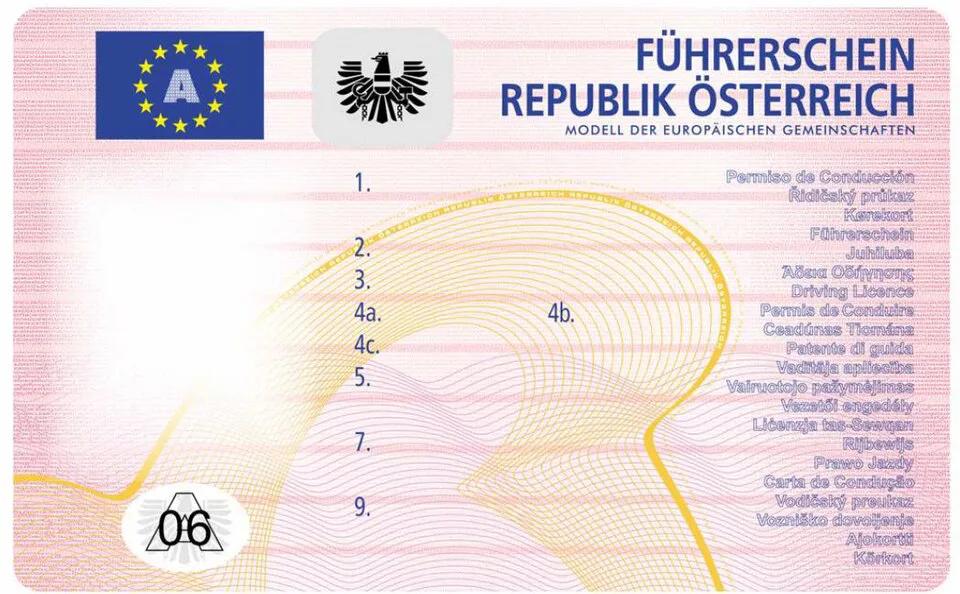
Popular pickup points include Salzburg airport, Innsbruck airport, Vienna airport and the central stations in Vienna, Innsbruck, Salzburg and Graz. A west-to-east route usually means a one-way rental, so compare drop-off fees before booking. Our rental pickup and drop-off tips go deeper. Americans can read the US license rules before departure. Ask the desk about vignette coverage and winter equipment.
Common Mistakes on an Austria Road Trip
Most problems come from planning, not driving. Avoid these.
- Driving the Autobahn without a valid vignette.
- Assuming Alpine passes stay open all year.
- Driving into Hallstatt instead of using a parking garage.
- Packing too many stops into a map that looks small.
- Returning a one-way rental without checking the drop-off fee.
- Leaving no time for short stretches and photo stops with children.
Frequently Asked Questions
What's the best month to visit Austria for a road trip?
Late spring to early autumn gives you the most open mountain roads and lake weather. Spring brings apricot blossoms in the Wachau, and fall colors the vineyards. Winter trips are possible on the Autobahn, but high passes may close.
Which is nicer, Salzburg or Hallstatt?
Salzburg is a city with a fortress, a baroque center and a Museum of Modern Art. Hallstatt is a small pedestrian village on a lake, known for its salt mine and 5,000-year history. Most road trips include both, since they are only 1 hour 12 minutes apart.
Road-rule changes worth knowing
Optional updates to our guides.
You might also like
Continue reading
More guides you'll find useful