
7 Things to Know About Driving in Albania in 2026
Is driving in Albania safe? Get the rules, road conditions, police checkpoint tips and realistic drive times before you rent a car.
On this page
Last updated November 2026: driving in Albania is realistic for most tourists, because the main corridors are good and mountain roads vary widely. Allow far more time than your sat-nav suggests, and plan to be off rural roads before dark. Skip self-driving if you only need Tirana plus coastal transfers, feel nervous behind the wheel, or plan remote mountain routes in winter.
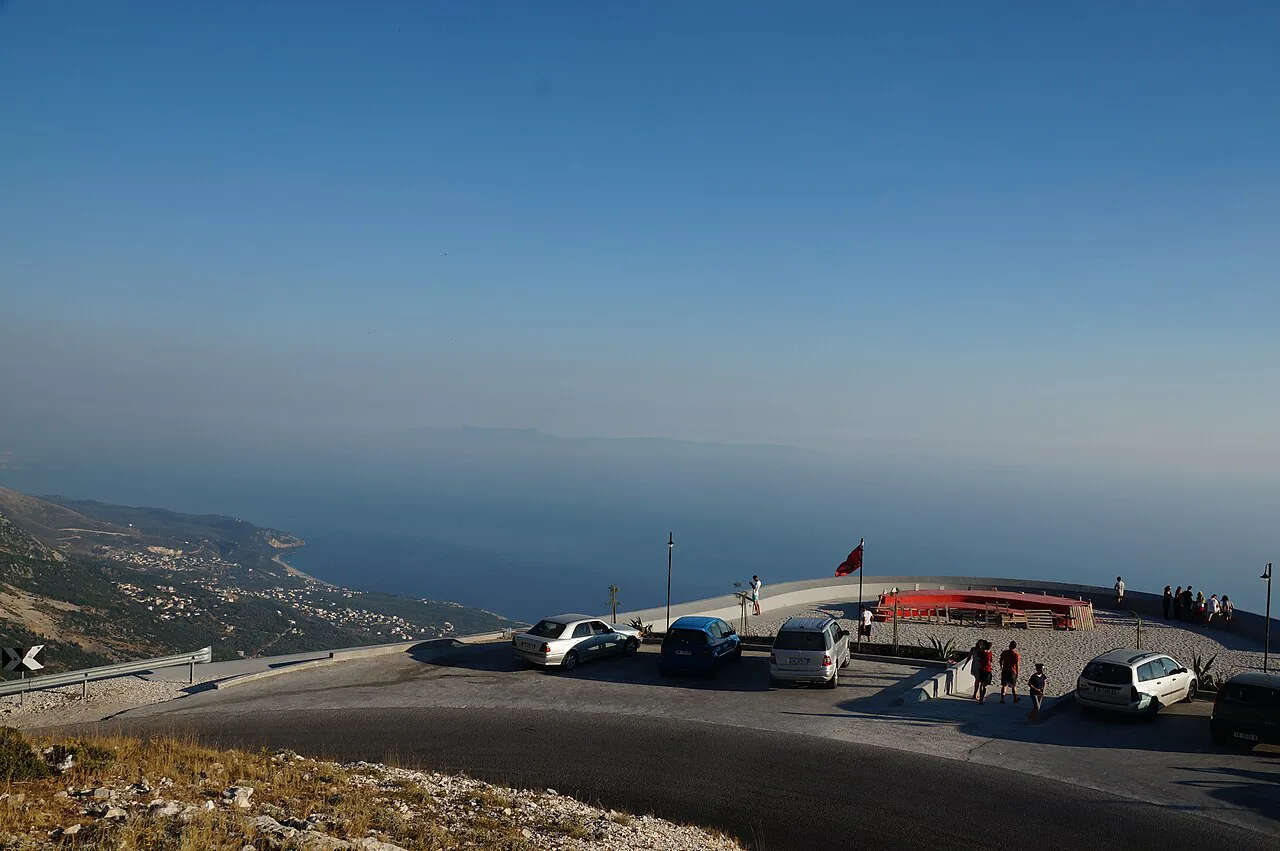
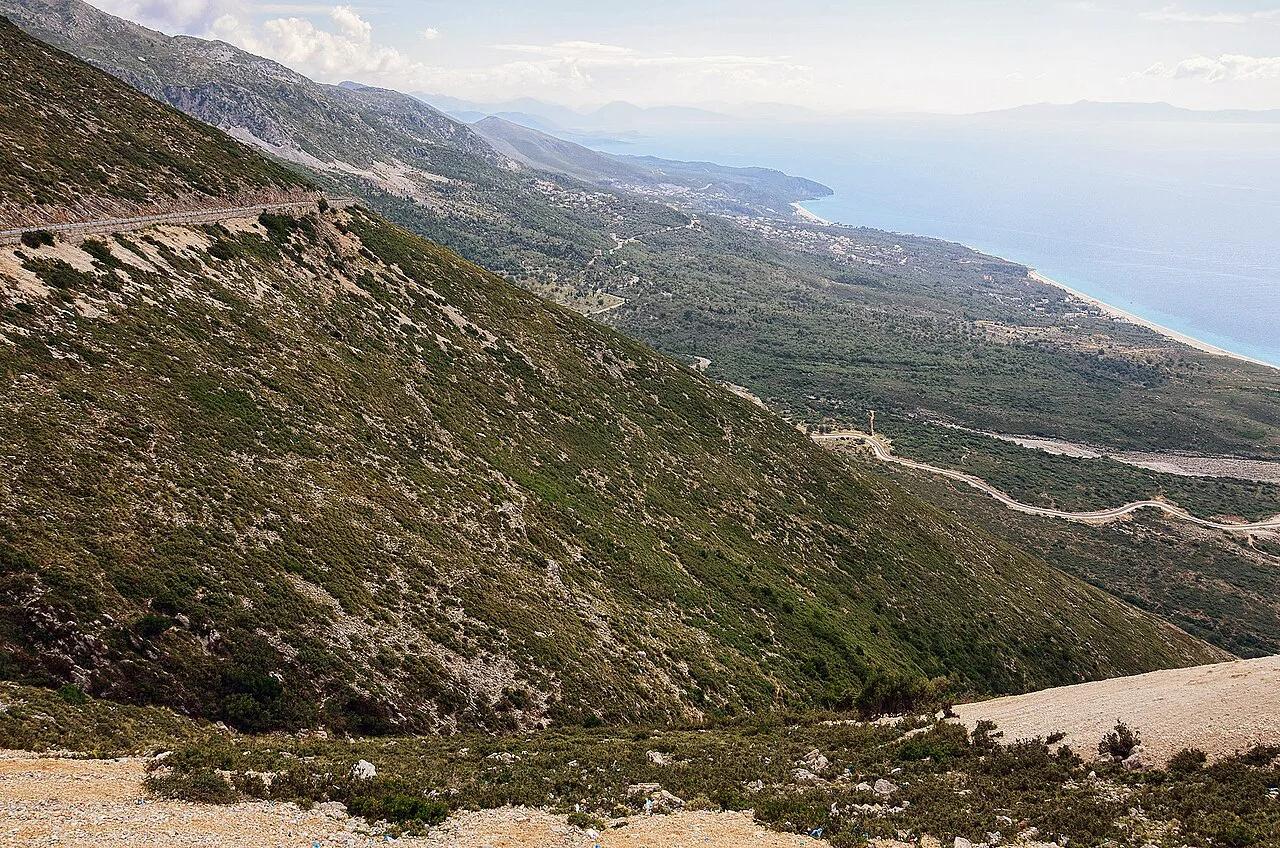
Featured image: Albinfo, CC BY-SA 4.0, via Wikimedia Commons.
Quick Answer: Is Driving in Albania Worth It?
Yes, if your trip links several regions. A car reaches Berat, Gjirokaster, Llogara Pass and Theth on your own schedule. Buses and furgons cover Tirana, Durres and the main coast towns with less effort. Use this table to decide.
| Traveler or itinerary | Self-drive? | Why |
|---|---|---|
| Tirana and Durres only | No | Short, busy roads; buses and taxis are easier |
| Berat, Gjirokaster and Saranda loop | Yes | Stops are far apart and spread across SH roads |
| Theth or Valbona in summer | Yes, if confident | Narrow mountain road; the last 15 km to Theth is hard |
| Interior mountains in winter | Skip | Be off mountain roads by about 5 PM |
| Nervous drivers | Consider a private driver | Roundabouts, livestock and unsigned junctions add stress |
7 Things to Know About Driving in Albania
Rules and road conditions checked November 2026. Albania's roads change quickly as new construction opens, so treat each item below as a baseline and follow posted signs.
1. Carry the right documents and insurance
Keep your driving licence, vehicle registration or rental agreement, and insurance proof in one folder on the passenger seat. For licence and equipment rules, the Albanian State Police site is the official starting point. US and UK renters should carry an international driving permit alongside a home licence, because policies vary by rental firm.
Insurance catches most people out: a green card must list AL without a cross through it, and many Croatian and Montenegrin agencies do not cover Albania. If your policy excludes Albania, buy local third-party insurance at the border or get the rental firm's cover in writing. Seat belts are compulsory on front seats, and headlights should stay on at all times.
2. Watch the 40 km/h town limit
Albania uses 40 km/h (25 mph) in built-up areas, lower than the 50 km/h common elsewhere in the Balkans. Outside towns, expect 80 km/h (50 mph) on rural roads, 90 km/h (56 mph) on main roads and 110 km/h (68 mph) on motorways such as the A2. Sources differ slightly on the middle tiers, so follow the posted signs.
Speed cameras sit at town entrances on the SH4, the Tirana–Durres road and the approach to Shkoder. Fines are sent on to rental agencies, which pass them to you. Treat alcohol limits as zero, and stop and help after any accident.
3. Read the road by type
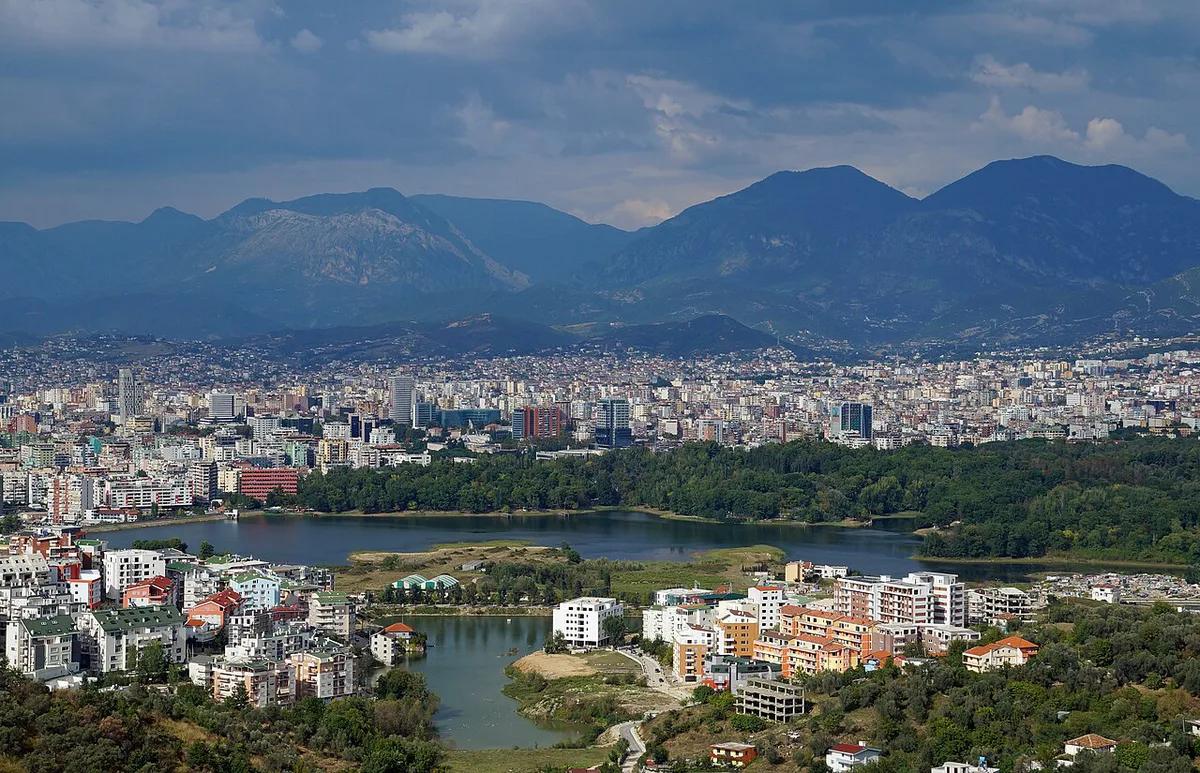
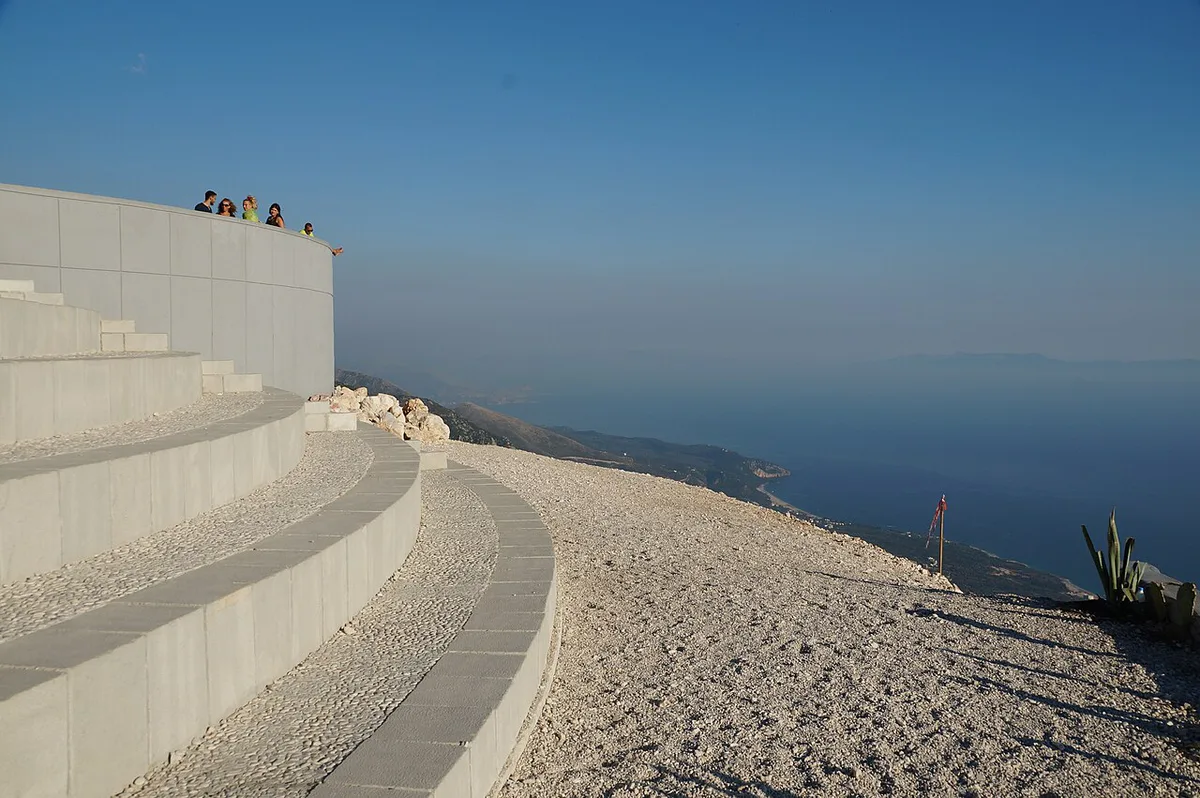
The A2 from Tirana to the Kosovo border at Morine is Albania's best road, and the Tirana–Durres highway has four lanes. SH4 to Elbasan and Pogradec and SH8 from Vlora to Saranda are generally good, so a standard rental car is fine. SH roads are usually paved, with motorways on green signs marked A and state roads on blue signs marked SH.
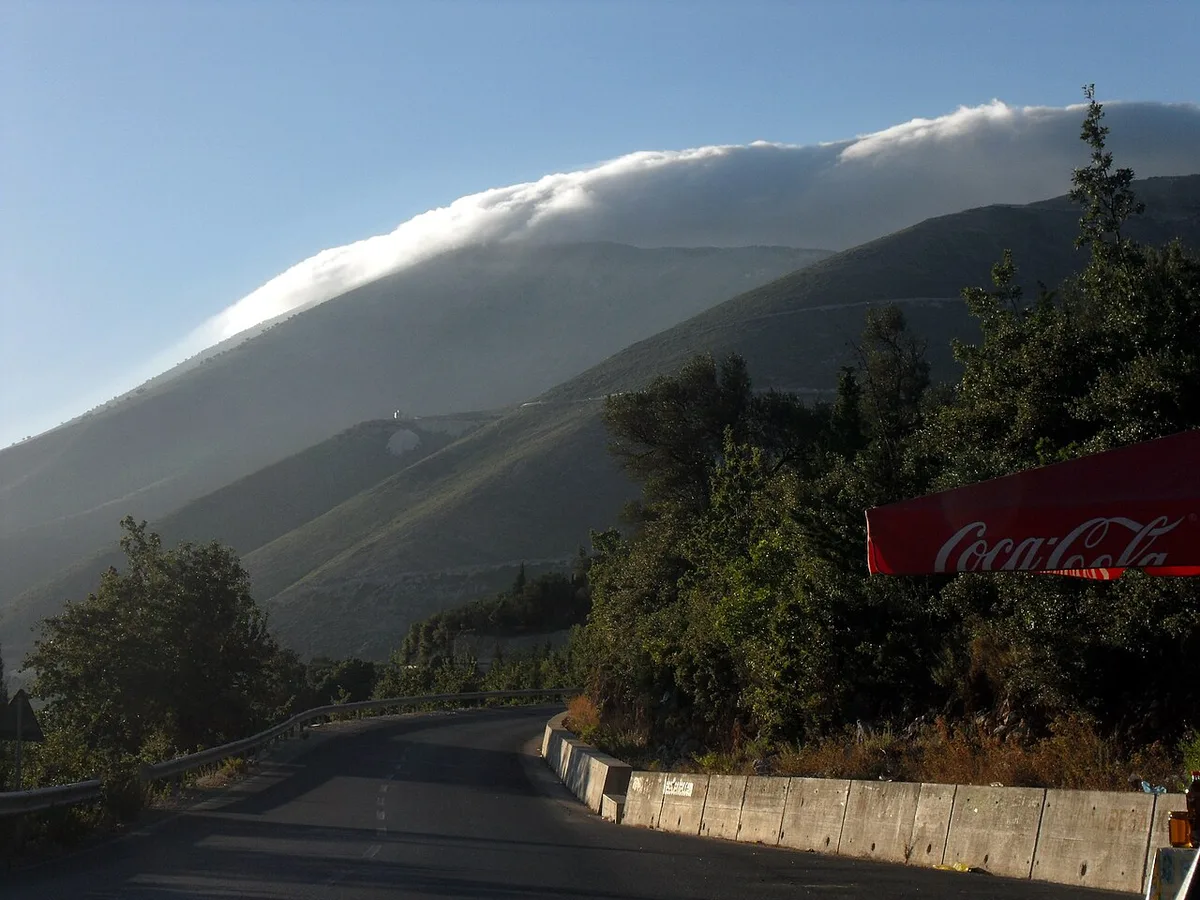
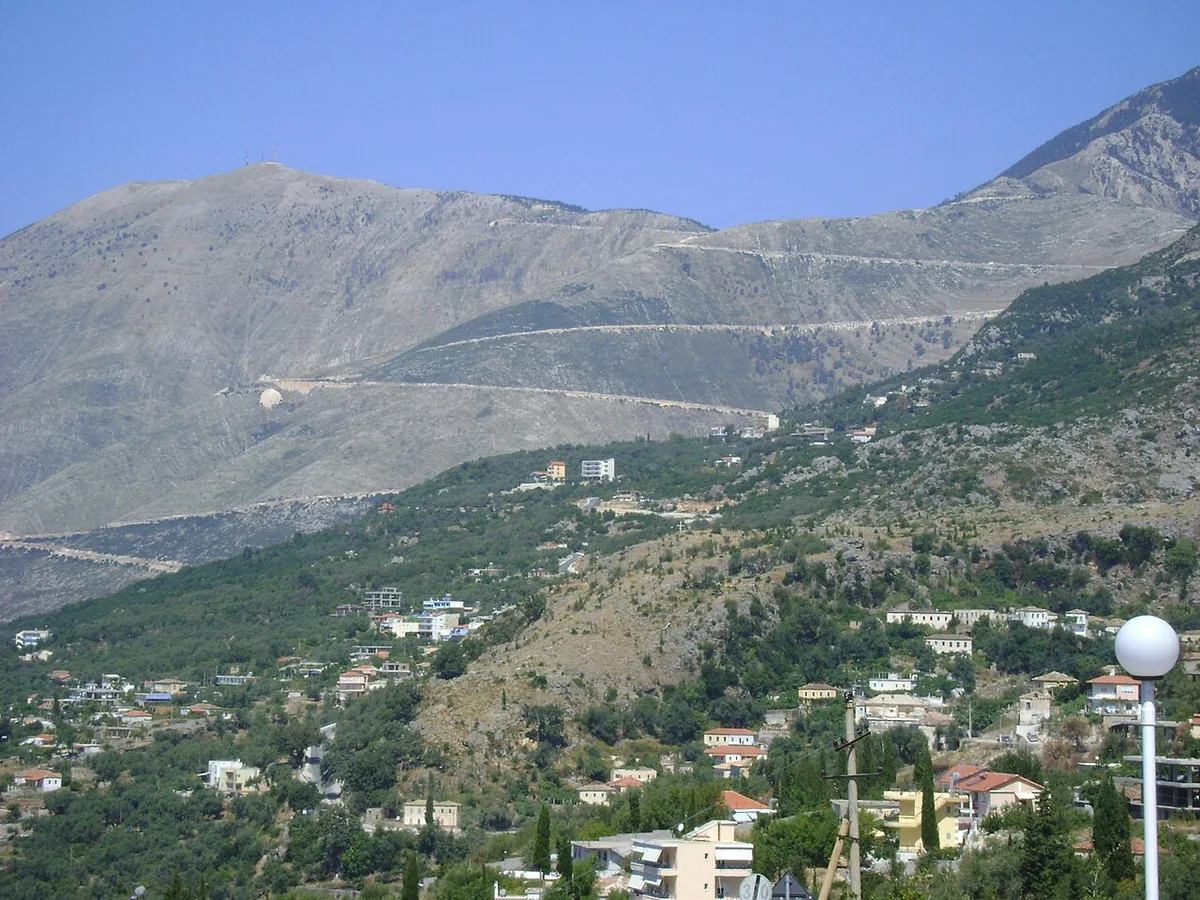
Mountain routes differ: the last 15 km (9 miles) to Theth is narrow and steep, and Berat to Permet has unpaved sections. Assume any road shown as unmarked on a map is gravel, and check Albanian Road Authority updates for new works.
4. Handle police checkpoints calmly
Police run visible checkpoints on main roads, especially on approaches to cities and at major intersections. Officers usually ask for your licence, registration or rental agreement, and insurance, and sometimes your passport. A routine stop typically takes 2 to 5 minutes by most traveler accounts.
If you receive a fine, ask for a written receipt and pay at a bank or post office rather than handing cash to the officer. Emergency numbers are 129 for police, 127 for ambulance, 128 for fire and 112 for general emergencies. Foreign plates attract more checks, so organized papers make the stop shorter.
5. Expect livestock on any road
Sheep, goats, cattle, horses and donkeys share Albanian roads, mostly on mountain routes, the SH8 coast road and near villages. The fenced A2 motorway and the Tirana–Durres highway see far fewer animals. If a flock blocks the road, slow down, stop well back, tap the horn lightly and wait.
A crossing typically takes 2 to 5 minutes, and aggressive honking can scatter animals unpredictably. A lone cow at a bend is riskier than a flock with a shepherd, so brake early on blind corners.
6. Finish mountain drives before dark
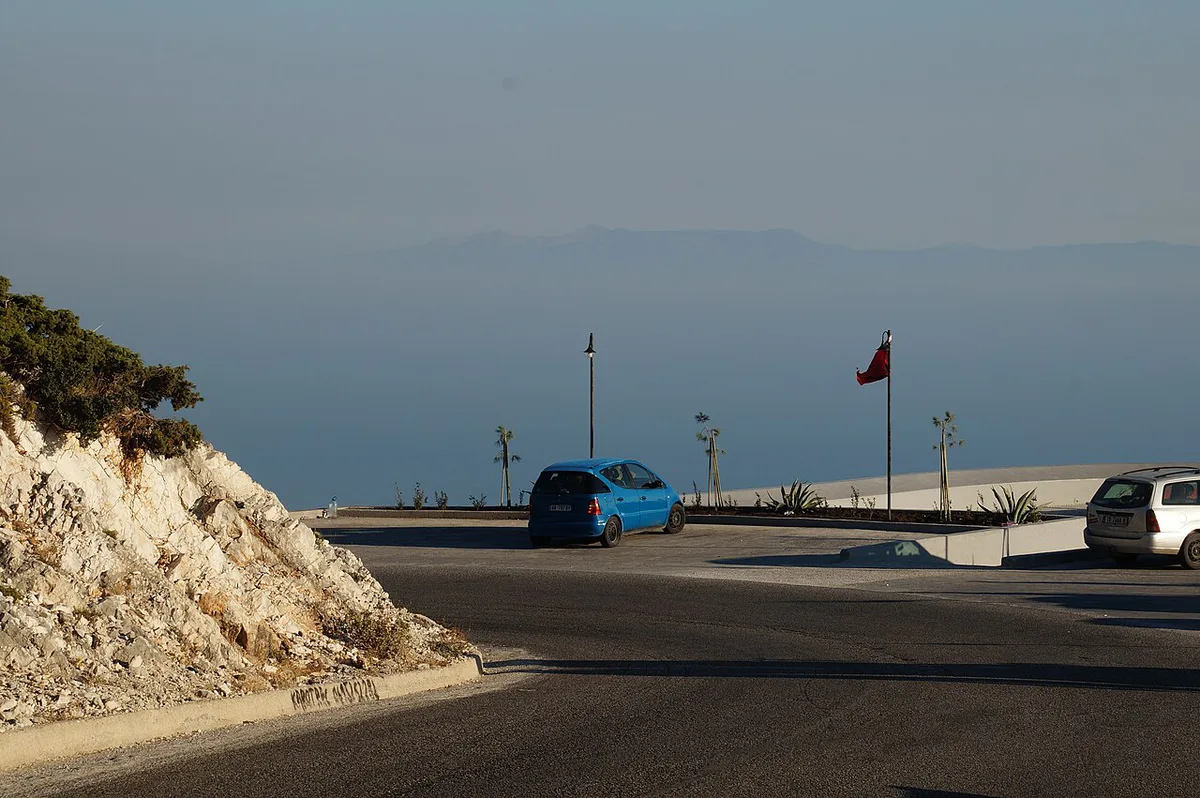
Roads outside towns are unlit, and potholes, roadworks and animals disappear into the darkness. As rough guidance, summer daylight lasts until about 8:30 PM, and winter mountain drivers should be off the road by 5 PM. Night driving is fine in Tirana and on the Tirana–Durres highway, where streets are lit.
Avoid the SH8 coast road and the roads to Theth and Valbona after dark. Unlit farm vehicles and walkers in dark clothing add to the risk, so plan arrival before sunset.
7. Fill the tank before remote stretches
Fuel is easy on main routes and in cities, with chains such as Kastrati, Europetrol and Alpet. Gaps appear on SH8 between Vlora and Himara (about 70 km, or 43 miles) and between Berat and Permet (also about 70 km). Korce to Erseke is about 50 km (31 miles) with only a small station at the far end.
Theth has no station, so fill up in Shkoder before the mountain road. Small independent stations in rural areas may take cash only, so carry some notes.
Realistic Drive Times and Sample Routes in Albania
Google Maps routes correctly in Albania, but its times assume better roads than you will meet. Add 30 to 50 percent for mountain routes, multi-town routes and anything south of Elbasan. On the A2 to Kosovo and the Tirana–Durres road, estimates are roughly accurate. The ranges below are conservative planning estimates. Pair them with our full Albania itinerary to pace each day.
Add 30 to 50 percent to Google Maps times for mountain routes, then check whether arrival still lands before 5 PM in winter.
| Route | Google Maps | Realistic time | Road type | Skip if |
|---|---|---|---|---|
| Tirana to Berat | 1h 40m | 2h to 2h 15m | SH roads, town limits near Tirana | You expect a quick day trip with stops |
| Tirana to Saranda | 4h 30m | 5h 30m to 6h | SH roads and Llogara Pass | You plan to return the same day |
| Shkoder to Theth | 2h 30m | 3h 30m to 4h | Narrow mountain road | You drive a low car or travel in winter |
| Vlora to Saranda via Llogara (SH8) | 2h 30m | 3h 30m to 4h | Coast road and pass | You must arrive after sunset |
| Tirana to Ohrid border | 2h 30m | 3h to 3h 30m | SH roads, mountainous after Pogradec | You have a tight border connection |
| Saranda to Gjirokaster | 1h 15m | About 1h 15m | Good SH road | Nothing; estimate holds |
Driving Culture and Defensive Habits
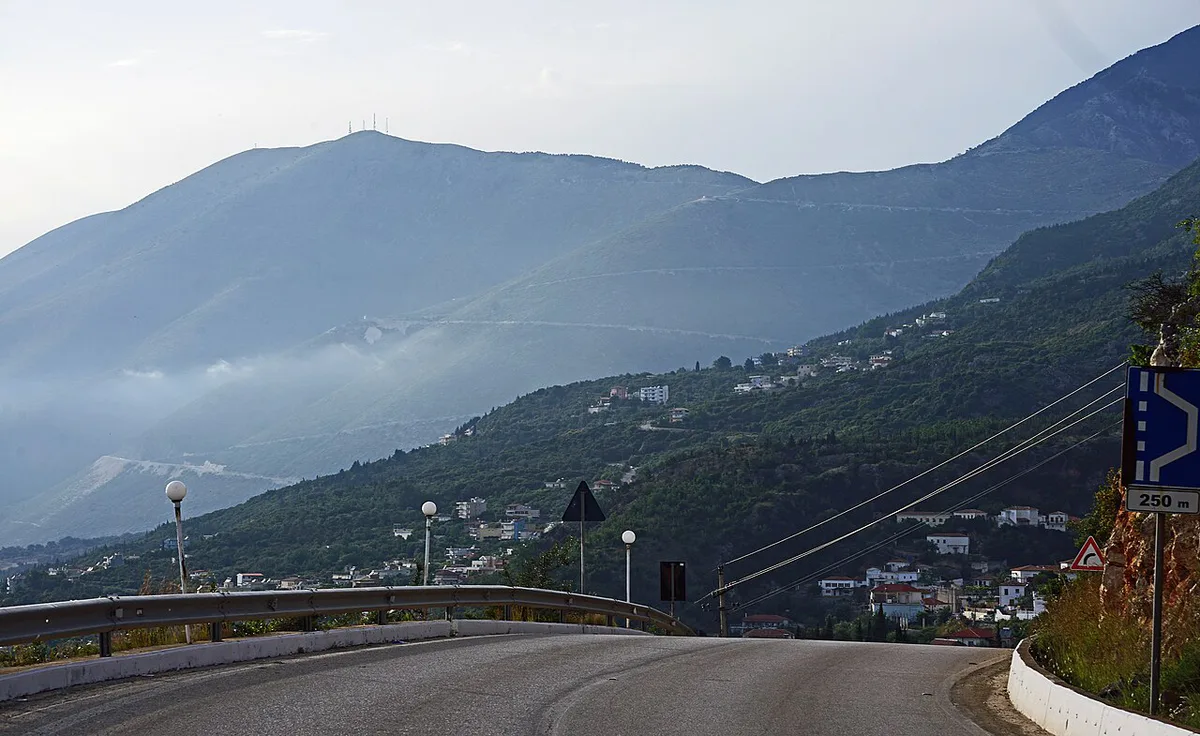
Albanian driving is assertive and more Mediterranean than Central European. Honking signals presence rather than anger, and roundabouts in Tirana reward decisive entries. Overtaking can be bold, so stay right and let faster cars pass. Hesitation causes more confusion than steady speed.
- Mistake: trusting Google Maps times on mountain roads.
- Mistake: assuming 50 km/h in towns instead of 40 km/h.
- Mistake: starting a mountain drive after 5 PM in winter.
- Habit: honk lightly before blind mountain corners.
- Habit: give way to pedestrians, even where no crossing is painted.
Rental Car, Bus or Private Driver
Compare options by itinerary, not price alone. Cost levels below are relative, so check current rental terms and bus fares before booking. A rental needs the insurance cover described above, while a private driver removes the road risk entirely.
| Option | Cost level | Flexibility | Best for |
|---|---|---|---|
| Rental car | Medium | High | Multi-region loops and mountain trailheads |
| Bus or furgon | Low | Low | Tirana, Durres and main coast towns |
| Private driver | High | Medium | Nervous drivers and Theth or Valbona day trips |
Driving Albania as Part of a Balkan Loop
Ask the rental company in writing before crossing into Montenegro, Kosovo or North Macedonia. Cover can fail in either direction, since many Croatian and Montenegrin agencies exclude Albania. Read our Montenegro road rules for the northern leg. Then build the route with a Montenegro coast-and-mountain itinerary. Heading further north, see Bosnia road rules and Serbia driving requirements. For the east, check Bulgaria vignette and road rules and Romania road-fee rules.
Bottom Line: Who Should Drive in Albania
Drive if you want Berat, Gjirokaster, the Llogara Pass and the north on your own timetable. Use buses or a driver if you are only visiting Tirana and the coast. Then pick a route from our Albania road trip plan and use this pre-trip checklist.
- Documents: licence, permit, registration or rental agreement, passport.
- Insurance: green card showing AL, or border cover.
- Offline maps downloaded before leaving Wi-Fi.
- Cash for small rural fuel stations.
- Fuel plan for the 70 km gaps on SH8 and Berat to Permet.
- Daylight plan: arrive before about 8:30 PM in summer, 5 PM in winter mountains.
Frequently Asked Questions
On which side of the road do you drive in Albania?
Albania drives on the right and overtakes on the left. Give way to pedestrians crossing or about to cross, even where no crossing is marked.
What are the current travel warnings for Albania?
Read the latest advisory from your own government, such as the US State Department or the UK FCDO, before booking. Advisories change, so rely on the live version rather than any guide.
Explore More Guides
Keep planning your trip with these guides.
Guides
- Albania Road Trip: Routes, Driving Tips & Itineraries
- Driving in Montenegro: Rules, Roads and Tips Before You Go
- Montenegro Road Trip: 7-Day Route, Driving Tips & Costs
- Driving in Romania: Rules, Rovinieta Vignette & Road Tips
- Driving in Bulgaria: Rules, Vignette, Roads & Safety Tips
- Driving in Bosnia: Rules, Rentals & Road Tips
- Driving in Serbia: Rules, Tolls, Car Hire and Routes
- Driving in Estonia: Rules, Winter Tips & Route Planning
Road-rule changes worth knowing
Optional updates to our guides.
You might also like

Continue reading
More guides you'll find useful