
Driving in Serbia: Rules, Tolls, Car Hire and Routes
A visitor's guide to driving in Serbia: licence and IDP checks, tolls, car hire, border crossings and road-trip routes, with trade-offs for each.
On this page
Last updated November 2026. Driving in Serbia is straightforward for most visitors: traffic keeps right, motorways link Belgrade with Novi Sad and Niš, and rental desks operate at Belgrade airport. Carry your home licence, passport and rental papers, and add an International Driving Permit if your licence is not in the Latin alphabet or the desk asks for one. A car pays off in Vojvodina, the western mountains and the Danube gorge, while Belgrade itself is easier on foot and by taxi.
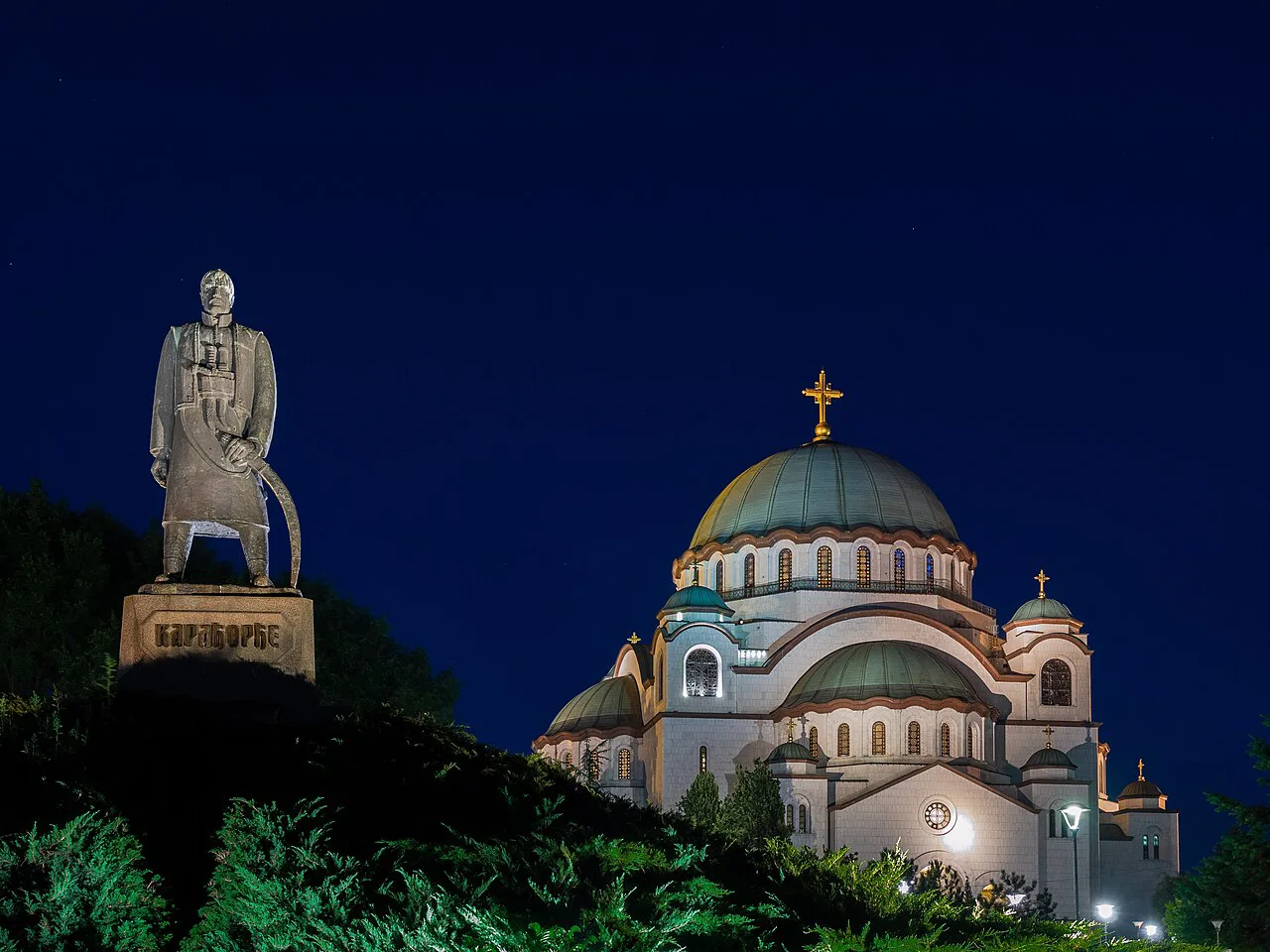
Featured image: Petar Milošević, CC BY-SA 4.0, via Wikimedia Commons.
Is driving in Serbia worth it?
Serbia drives on the right, like the rest of continental Europe. Motorways and main E-roads are in good shape, and rural roads vary. A car gives you the most freedom outside Belgrade, where buses thin out and mountain villages sit far from stations. Inside Belgrade, parking zones and tram lanes make a car more hassle than help. Match the car to the trip using the table below.
| Trip | Car? | Why |
|---|---|---|
| Belgrade city break | Skip it | Parking zones and short distances; use taxis and walking |
| Vojvodina (Novi Sad, Sremski Karlovci, Subotica) | Yes, or a mix | Flat roads and towns close together |
| National parks (Tara, Uvac, Đerdap) | Yes | Remote roads with little public transport |
| Balkans loop through several countries | Yes, with paperwork | Needs cross-border permission from the rental company |
| Belgrade plus Novi Sad only | Mix | Take the bus or train between cities and rent a car for day trips |
Licence, IDP and documents
Bring your national licence, passport, and the rental agreement or vehicle registration papers. An International Driving Permit translates your licence and does not replace it. Rental desks and police can ask for one, so US, Indian and other non-European drivers should carry it as a precaution. Rules for UK and EU licence holders differ from those for other nationalities, so check the current requirement for your home country before you fly. Car insurance and a valid green card matter most if you bring your own vehicle. Foreign-registered cars should also carry a warning triangle and, from November to April, winter tyres or chains.
- Home driving licence (valid, with photo)
- Passport
- International Driving Permit if your licence needs it
- Rental agreement, with written cross-border permission if you plan to leave Serbia
- Green card or proof of insurance for your own vehicle
Road rules visitors get wrong
Standard limits are 50 km/h in towns, 80 km/h on regional roads, 100 km/h on main roads and 130 km/h on motorways. Seat belts are compulsory for everyone in the car. Children need a restraint suited to their age and weight. Phone use while driving is banned, and fines can be paid on the spot to traffic police. Serbia's blood alcohol limit is very low, so the safest rule is not to drink at all if you drive. Winter equipment rules apply from November to April, so confirm the current dates with the Serbian authorities if you travel in that window.
- Speed: 50 / 80 / 100 / 130 km/h by road type
- Seat belts: driver and all passengers
- Alcohol: treat the limit as effectively zero
- Winter: tyres or chains required from November to April in many areas
Tolls, fuel and parking
Putevi Srbije, the national road operator, runs the tolled motorways. Rates and payment methods are listed on the Putevi Srbije website, and prices change, so read the current tariff in dinars (RSD) before you go. Carry cash in dinars and a card, because small booths and rural fuel stops do not always take foreign cards. Ask the rental desk whether the car has an electronic toll tag. Fuel comes as Euro 95 petrol and diesel (Dizel). Stations are common in towns and on main roads, but plan ahead in the Uvac and Tara areas. Belgrade and Novi Sad use paid, time-limited parking zones, so look for the street signs and pay at the machine or by phone. Choose a hotel with parking if you arrive by car.
- Cash in RSD for tolls and small-town fuel
- Card as backup
- Toll tag question for the rental desk
- Parking included in your hotel booking where possible
What the roads are like by region
Motorways around Belgrade, Novi Sad and Niš are fast and well signed. Vojvodina is flat, with long straight roads and few surprises. Southern Serbia, around Leskovac, Vranje and the Šar mountains, has more curves and hills, and night driving there is best avoided. Western roads to Tara, Bajina Bašta and Uvac are narrow but paved, and you should drive slowly in the mountains. Danube gorge roads near Golubac and Donji Milanovac are slower, with many turns. Watch for wildlife at dawn and dusk in rural areas. Fog and snow can slow travel in autumn and winter, and mountain passes may be affected.
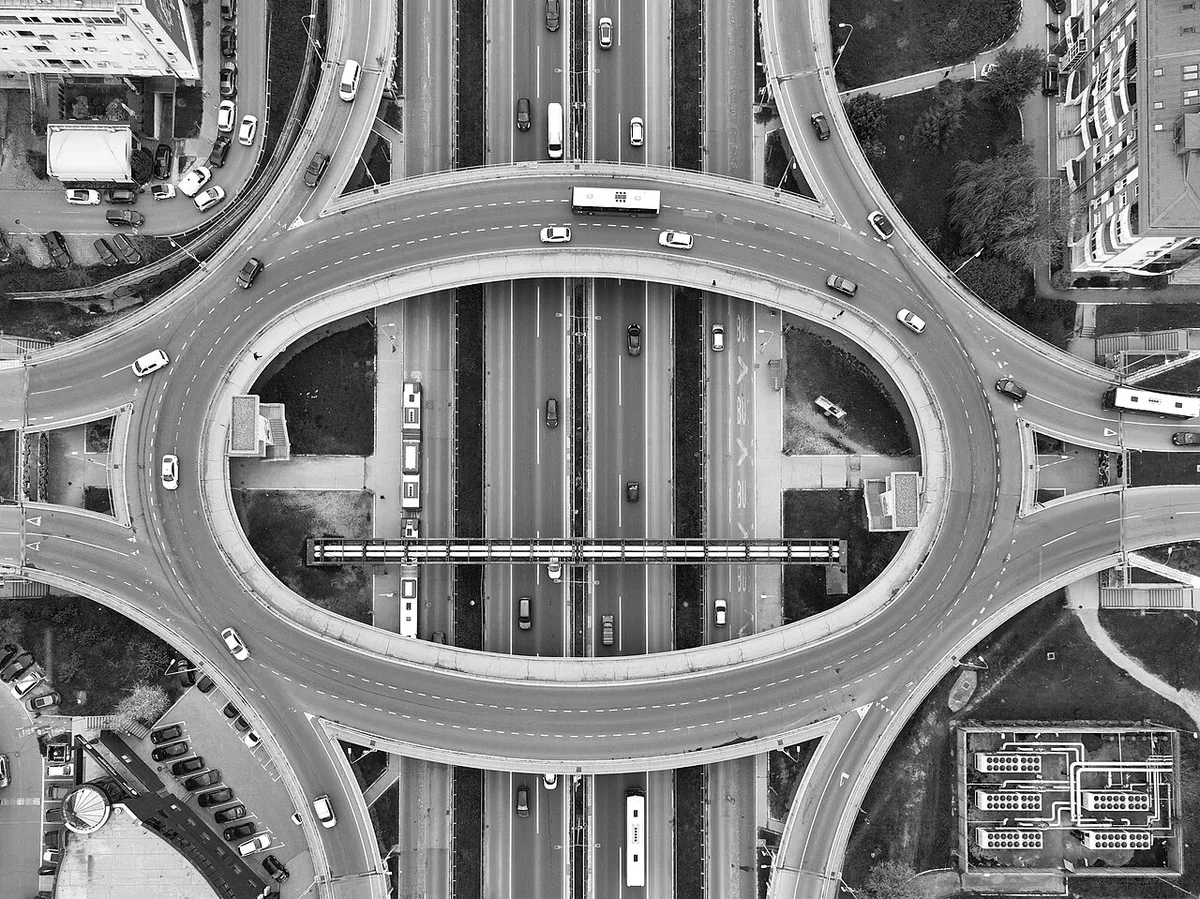
Limits reach 130 km/h on motorways, while gorge roads near Golubac and Donji Milanovac call for far lower speeds.
Renting a car in Serbia
Rental desks operate at Belgrade airport and in city centres, and booking early gives more choice. Manual cars are the norm. Automatics usually cost more, so reserve one in advance. You generally need to be 21 and hold your licence for two years, and drivers under 25 may pay a young-driver fee or a larger deposit. Bring a credit card in the main driver's name for the deposit. Add any second driver to the contract, since an unlisted driver can void insurance. One-way hires and cross-border trips normally carry extra fees, so compare quotes in dinars or euros on the rental site. Rates vary by season, so book well ahead for summer.
- Minimum age: usually 21, with two years of licence history
- Credit card for deposit
- Extra driver registered on the contract
- Cross-border permission in writing
Border crossings and driving beyond Serbia
Serbia borders Bosnia and Herzegovina, Croatia, North Macedonia, Montenegro, Albania, Bulgaria, Hungary, Romania and Kosovo. Ask the rental company for written cross-border permission before you leave the country, since many contracts ban it. Summer weekends can bring long queues at busy crossings. For Montenegro, read Driving in Montenegro: Rules, Roads and Tips Before You Go and plan a coastal loop with the Montenegro road trip route. Heading west, Driving in Bosnia: Rules, Rentals & Road Tips covers the neighbouring rules. Bulgaria and Romania sit east of Serbia, so use Driving in Bulgaria: Rules, Vignette, Roads & Safety Tips and Driving in Romania: Rules, Rovinieta Vignette & Road Tips for a Danube or eastern Balkans loop. Southern Balkans drivers can continue with 7 Things to Know About Driving in Albania in 2026, though you should check the current crossing arrangements first. Kosovo entry is a sensitive area, so check your government's travel advice and your rental company's policy before you try it.
Drivers under 25 may pay a young-driver fee, so a multi-country Balkans loop makes that cost worth checking early.
Five road-trip routes compared
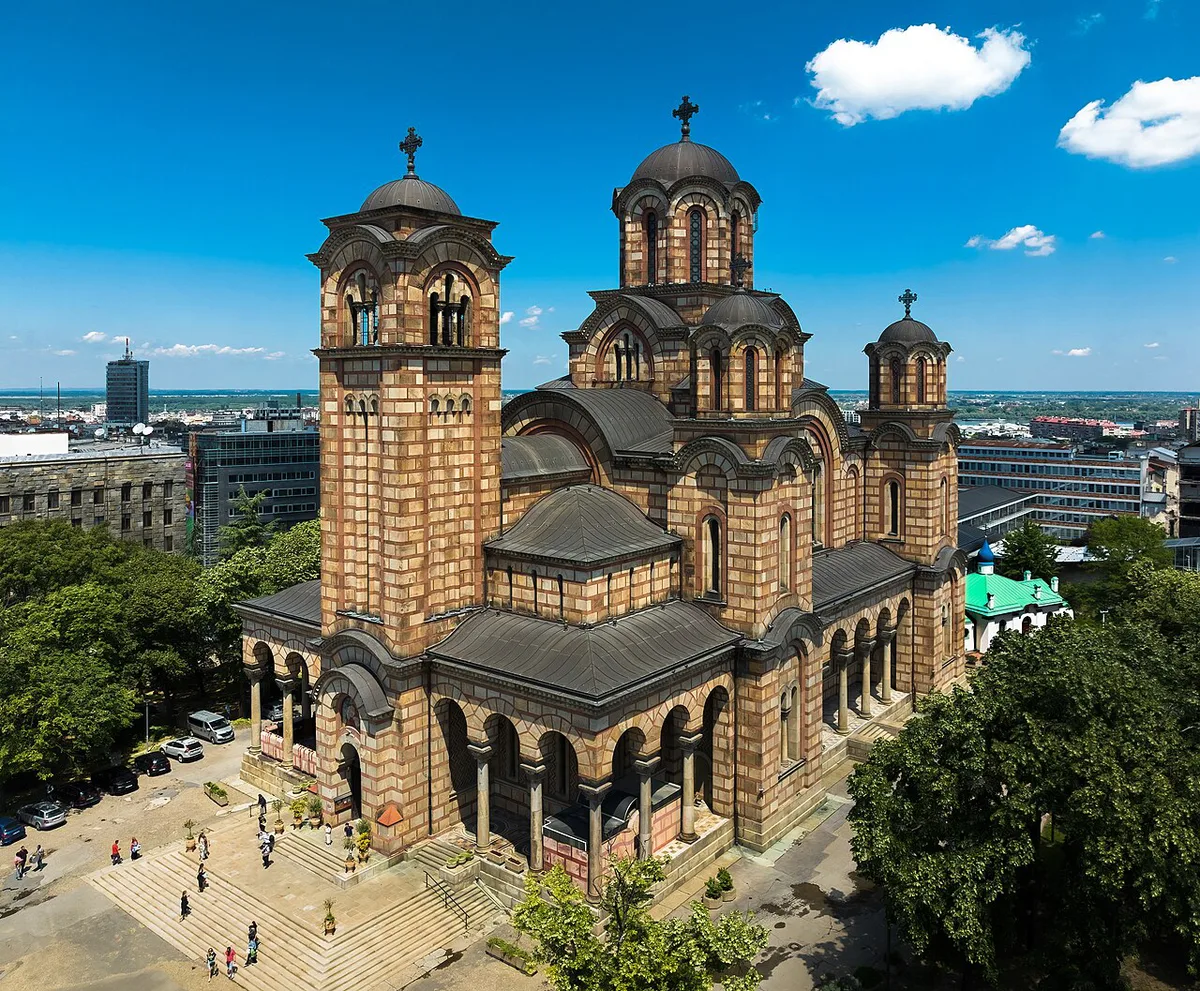
Treat these as route candidates and check drive times in a live navigation app. Vojvodina stops are reported to sit within about 90 minutes of each other, which suits short days.
| Route | Stops | Road type | Best for |
|---|---|---|---|
| Classic loop | Belgrade, Čačak, Užice, Zlatibor, Niš, Belgrade | Motorway plus mountain roads | First-time drivers, mixed interests |
| Vojvodina | Novi Sad, Sremski Karlovci, Subotica, Zrenjanin | Flat, well paved | Short days, wine and architecture |
| South | Niš, Leskovac, Vranje, Šar mountains | Curves and hills | Experienced drivers, daytime only |
| West | Valjevo, Bajina Bašta, Perućac, Sjenica, Uvac, Tara | Narrow paved mountain roads | Nature and canyon views |
| Danube east | Smederevo, Golubac, Donji Milanovac, Negotin | Slow, many turns | Calm drivers, photography stops |
Safety, breakdowns and emergencies
Emergency numbers are 192 for police, 193 for fire and 194 for ambulance, and 112 also works across Europe. Call your rental company first after a breakdown, because many contracts include their own assistance line. Keep the accident report and any police paperwork, since the rental firm will ask for it. Police can issue fines on the spot, so ask for a receipt. Lock the car, keep bags out of sight, and use hotel garages or marked car parks in cities. General visitor information is available from the Tourism Organisation of Serbia.
Mistakes to avoid
These errors cause most of the trouble visitors report.
- Assuming your licence alone is enough without checking the rental desk's rules
- Crossing a border without written rental permission
- Arriving at a toll booth or rural fuel stop with no cash
- Driving the south or the mountains after dark
- Ignoring parking zones in Belgrade and Novi Sad
- Skipping winter tyres or chains between November and April
What to do after a road accident
Stop somewhere safe, switch on hazard lights and check whether anyone needs urgent help. Call 112 in an emergency; it works across Europe. For police assistance, use 192. If someone is injured, call ambulance services on 194.
Contact the rental company’s assistance line as soon as you can. Its contract may specify a roadside provider and the steps needed to preserve insurance cover. Take photographs of vehicle damage, the road position and any relevant signs. Exchange names, contact details, vehicle registration details and insurance information with the other driver.
Keep every document issued after the incident, including an accident report and police paperwork. Do not accept an informal cash arrangement if it leaves you without records for the rental company. Ask for a receipt if you pay a traffic fine. The rental desk will normally need the documents before it can process damage or insurance claims.
Frequently Asked Questions
Which side of the road does Serbia drive on?
Serbia drives on the right, and cars are left-hand drive. Overtake on the left and give way as signs indicate.
Road-rule changes worth knowing
Optional updates to our guides.
You might also like

Continue reading
More guides you'll find useful