
Driving in Bulgaria: Rules, Vignette, Roads & Safety Tips
Planning to drive in Bulgaria? Check licence rules, the vignette, road conditions, parking and safety tips, and when to skip the car.
On this page
Last updated November 2026. Driving in Bulgaria is realistic for most visitors with a valid licence, a road-use vignette and insurance. Roads are good on the motorways and rougher on secondary routes, so match the car to the trip. Skip it in central Sofia, where the metro is easier.
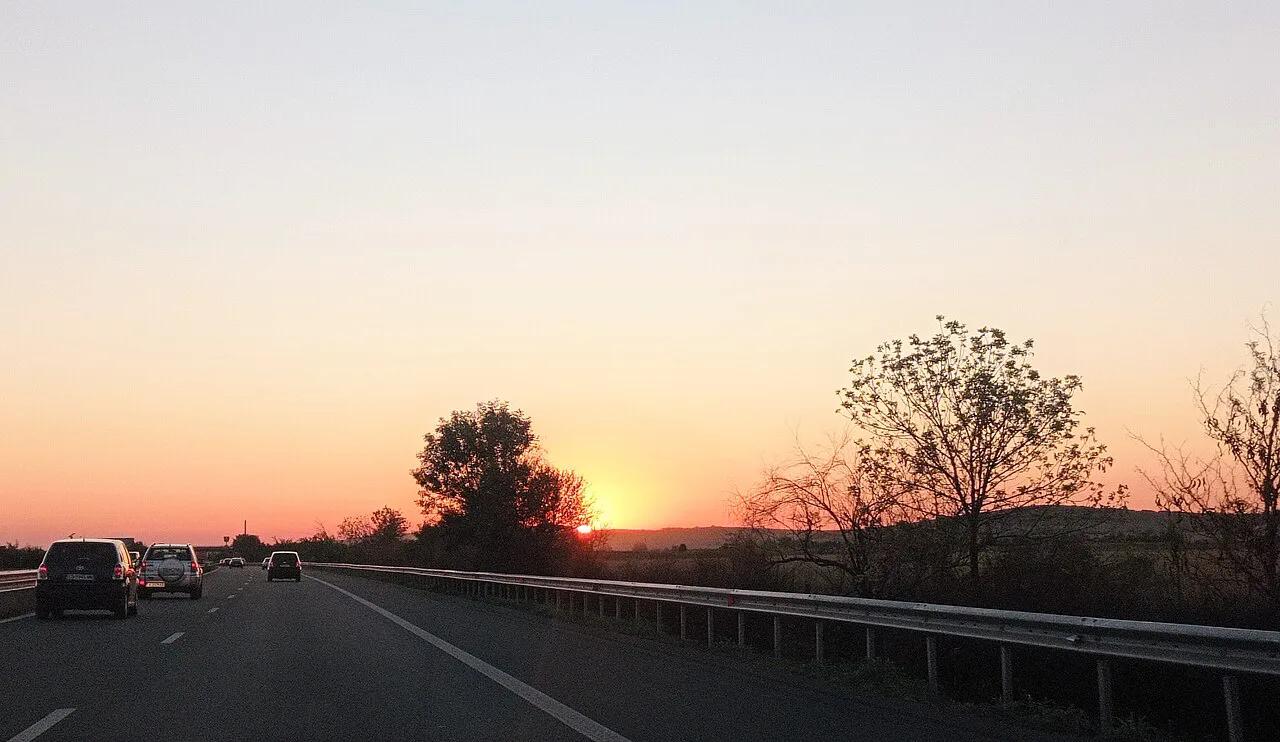
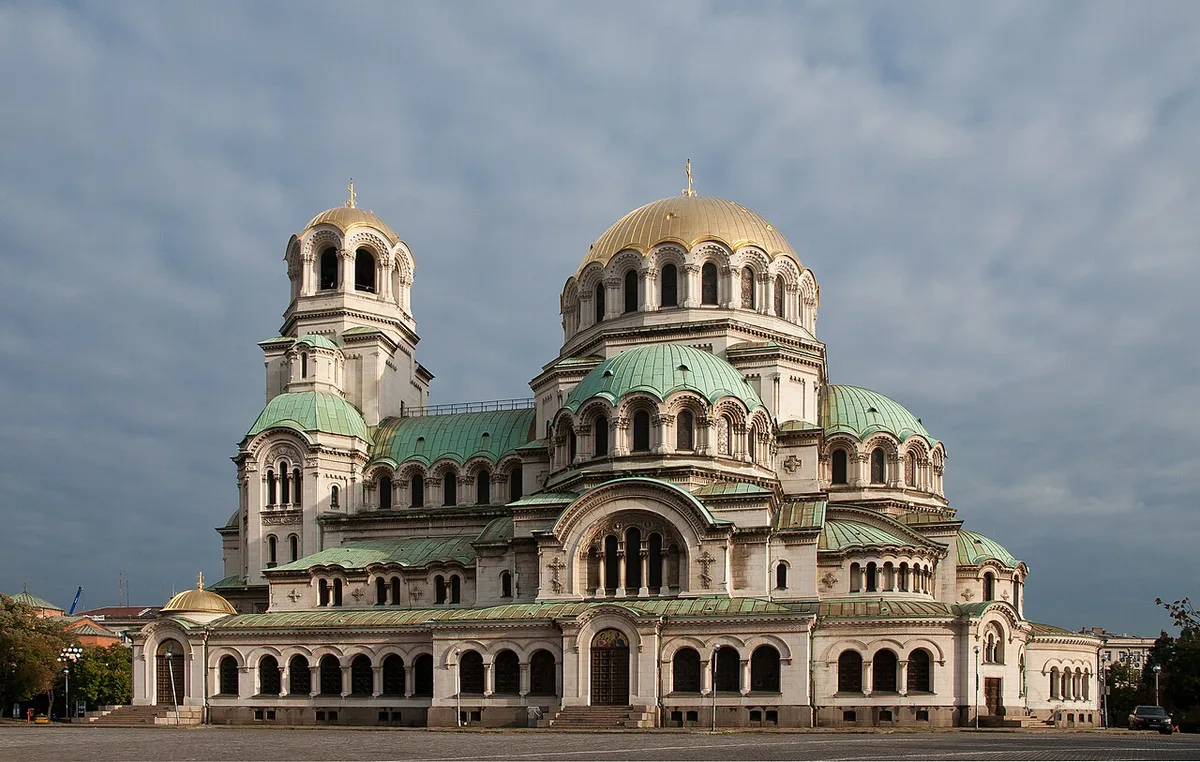
Featured image: Ivano Giambattista, CC0, via Wikimedia Commons.
Driving in Bulgaria: the quick answer
Yes, most visitors can drive in Bulgaria. Rent a car if your plan covers several towns, mountain villages or monasteries that buses reach poorly. Use transit if you are staying in Sofia or one beach resort. Before you leave the rental lot, run through a short checklist.
- Valid driving licence, plus an International Driving Permit if your licence origin calls for one.
- Vehicle papers and proof of mandatory insurance.
- An active electronic vignette linked to the licence plate.
- Written rental permission if the car will cross a border.
- Winter equipment if you travel in the cold months.
Documents, insurance and the vignette
Carry your licence, passport and the rental agreement or vehicle registration at all times. Whether you need an International Driving Permit depends on where your licence was issued. EU and EEA licences are generally accepted as they are. Travellers with licences from other countries, including the US, should ask the rental company and their own licensing authority before booking. Many carry a permit anyway, since it costs little and removes any argument at a roadside stop. Third-party liability insurance is mandatory, and rental cars normally come with it. Read the excess and the exclusions before you sign.
The vignette is the key purchase. Bulgaria uses an electronic vignette sold through the official BGTOLL vignette portal. It is tied to your plate number rather than to a sticker on the windscreen. Rental companies often include a valid one, but ask rather than assume. Enter the plate on the BGTOLL site to see whether the car is covered and when it expires. Driving without a valid vignette on roads that require one brings a fine, so settle this before leaving the pick-up point. Heavier vehicles fall under a separate distance-based toll system, which matters only for vans, campers over the limit and trucks. Prices and formats change, so read the current tariffs on the portal. Prices and rules were last reviewed in November 2026.
Road conditions and driving culture
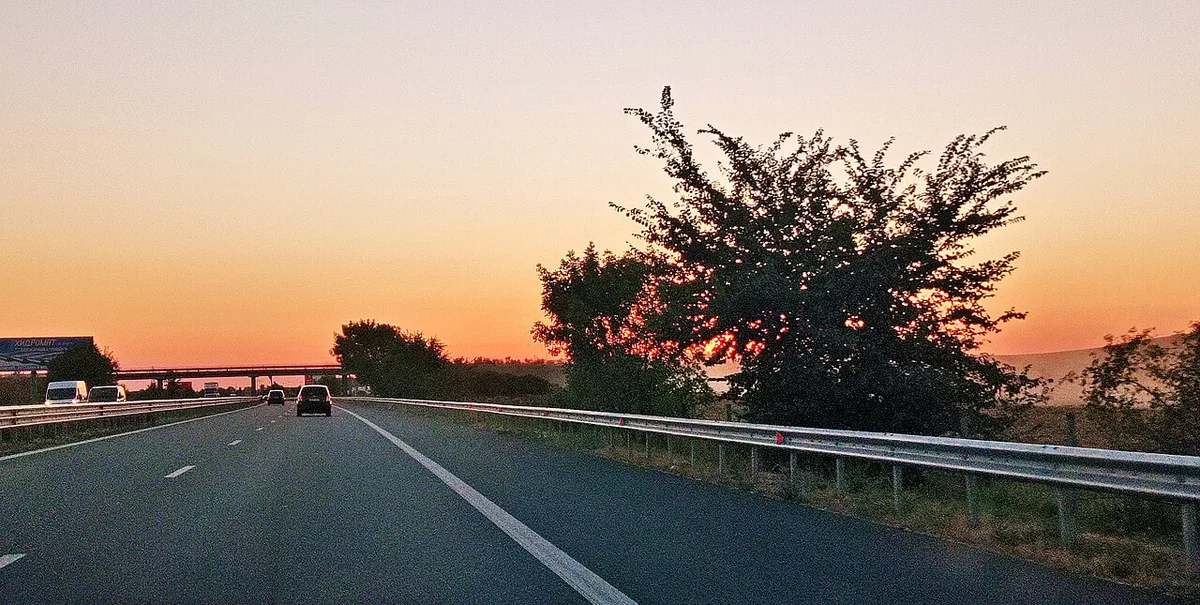
Motorways are the easy part. Sofia to the Black Sea runs largely on motorway-standard road, and long stretches are smooth. Secondary roads vary far more from region to region and season to season. Travellers report potholes, patched surfaces and faded lane markings once you leave main corridors. Livestock sometimes wanders onto rural roads, especially near villages in the Rhodope and Balkan mountains.
Traffic culture is brisk. Expect close following, late indicator use and overtaking on stretches where you would not try it. Stay calm and keep your distance. Let faster drivers pass rather than holding the outside lane on a motorway. Do not answer aggression with gestures or horn battles. Pull over safely and let it go.
- Leave extra braking distance on patched or wet surfaces.
- Slow down before village entrances, where pedestrians cross without warning.
- Watch for animals on rural roads at dusk.
- Treat level crossings with full caution, and stop completely when barriers or lights operate.
Speed limits, tolls and fines
Limits differ for built-up areas, open roads and motorways, and they are posted. Follow the signs, and read the current limits on the national traffic-police pages before you go. Do not rely on blog posts, which often quote old figures. Cameras and mobile patrols are in use, and foreign plates draw attention. For road works, closures and winter status, the Road Infrastructure Agency is the national source. Paying on the spot to a patrol officer is not the right route. Ask for a written notice and pay through the official channel it names.
Parking, towing and city driving in Sofia
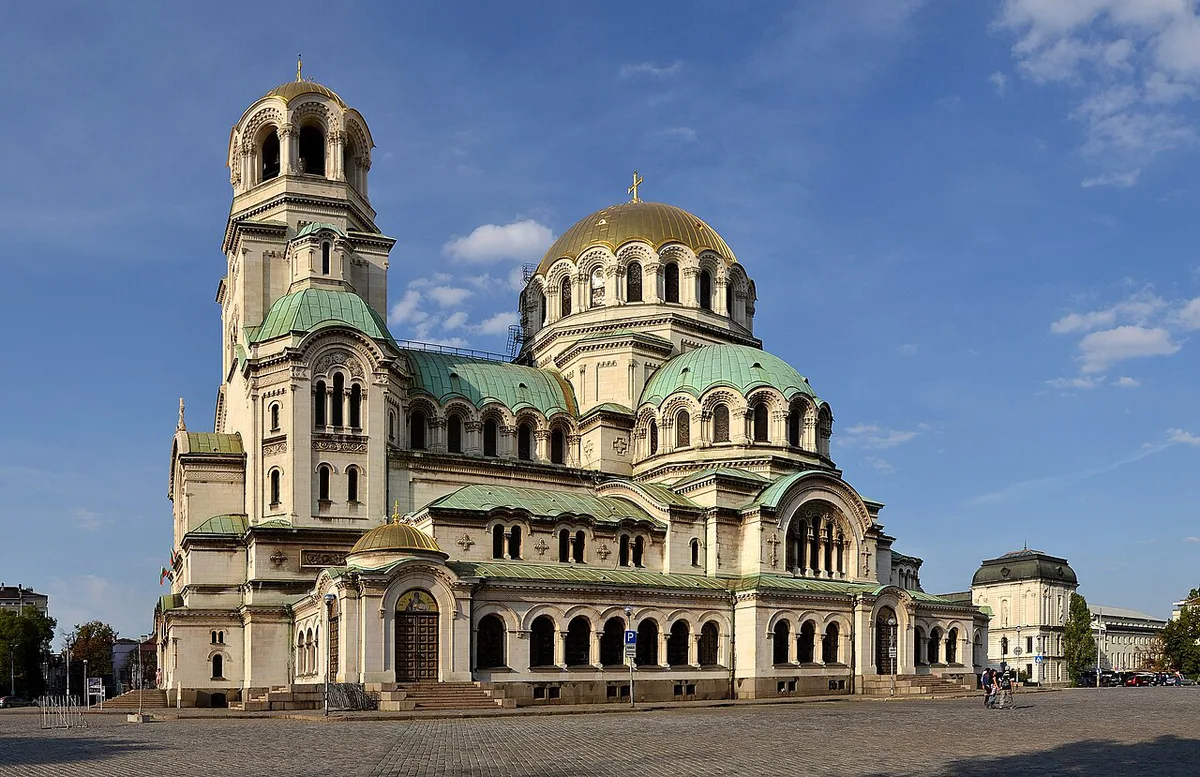
Central Sofia combines cobbled stretches, one-way systems, trams and dense parking. Paid zones are common, and payment methods change, so read the street signs and your rental company's advice. Cars parked on pavements or in loading areas can be towed, and recovery costs more than a ticket. Leave the car at your hotel or a car park and use the metro, which is clean and simple to navigate. Choose lodging with parking if you must bring a car into the city. Fewer problems arise when you pick up the car at the end of your Sofia stay rather than the start.
Car crime, scams and fake police
Most trips pass without incident, but a few habits help. Park in a guarded or well-lit car park overnight. Never leave luggage, phones or bags visible inside the car. Carry copies of your documents and keep originals ready for a genuine check.
Reports of fake police officers exist along some roads. A real officer wears a uniform, drives a marked vehicle and will issue a written fine. If a stop feels wrong, keep your doors closed, ask to see identification through the window and call 112, the European emergency number. Do not hand over cash or your passport to anyone you cannot verify.
Winter, night and summer coast driving
Winter changes the trip. Mountain passes and ski roads can close, and secondary roads ice over. Carry winter tyres or snow chains in cold months, and ask your rental company what equipment is supplied. Check the road agency's status pages before heading to Bansko, Borovets or Pamporovo. Night driving on rural roads is best avoided. Unlit livestock, potholes and faded markings are harder to see, so plan arrivals in daylight. On the Black Sea coast, summer weekends bring slow traffic around Varna, Burgas and Sunny Beach. Leave early, and allow extra time for transfers to the airport.
Renting a car and crossing borders
Compare rental terms for excess, mileage, vignette cover and one-way fees. Photograph every scratch at pick-up. Cross-border travel needs written permission from the rental company, and not every contract allows it. Ask about cover for Romania, Serbia, Greece and North Macedonia before you book, since terms vary by company and some add a fee.
Border waits vary, so allow generous buffers. Each neighbour has its own road-fee system. Romania, for instance, sells its fee through Romania's official rovinieta site. Our Romania road rules cover the next leg. Heading west, read our Serbia driving guide before you cross. For the wider Balkans, compare conditions in Bosnia road tips and Montenegro road rules. A longer route is mapped in our Montenegro itinerary. For a rules comparison further south, see Albanian road conditions.
When not to drive: alternatives
Choose by trip type. A car pays off when stops are scattered. It adds stress when you stay in one city or one resort.
| Trip | Best option | Main friction | Who should skip driving |
|---|---|---|---|
| Sofia city | Metro and on-foot | Paid parking, towing, trams | Anyone staying in the centre |
| Black Sea coast in summer | Transfer or bus | Weekend congestion, scarce parking | Single-resort stays |
| Mountain and ski areas in winter | Transfer or shuttle | Ice, closures, chains | Drivers without winter experience |
| Multi-stop road trip | Rental car | Rural road quality, night driving | Nervous drivers |
| Cross-border trip | Rental with written permission | Cover, fees, border waits | Anyone whose contract forbids it |
Frequently Asked Questions
Can I drive with a US license in Bulgaria?
Visitors with US licences usually carry an International Driving Permit alongside the licence. Rental firms set their own rules, so ask the company before you book. Keep both documents with you whenever you drive.
What are the driving rules for foreigners in Bulgaria?
Foreign drivers follow the same rules as locals. You need a valid licence, insurance, vehicle papers and an active vignette. Drive on the right and obey posted limits.
Road-rule changes worth knowing
Optional updates to our guides.
You might also like

Continue reading
More guides you'll find useful