
Driving in Montenegro: Rules, Roads and Tips Before You Go
Driving in Montenegro explained: key rules, road conditions, Bay of Kotor traffic, border crossings, and when to rent a car or skip it.
On this page
Last updated November 2026. Driving in Montenegro suits travelers who want mountain and coastal routes on their own schedule, and it is a poor fit for a Kotor-only stay. Expect dipped headlights at all times, a zero-tolerance approach to drinking, radar enforcement and narrow roads around the Bay of Kotor. Sections below cover the decision, the rules, named routes, borders and mistakes, and our Montenegro road trip itinerary picks up from there.
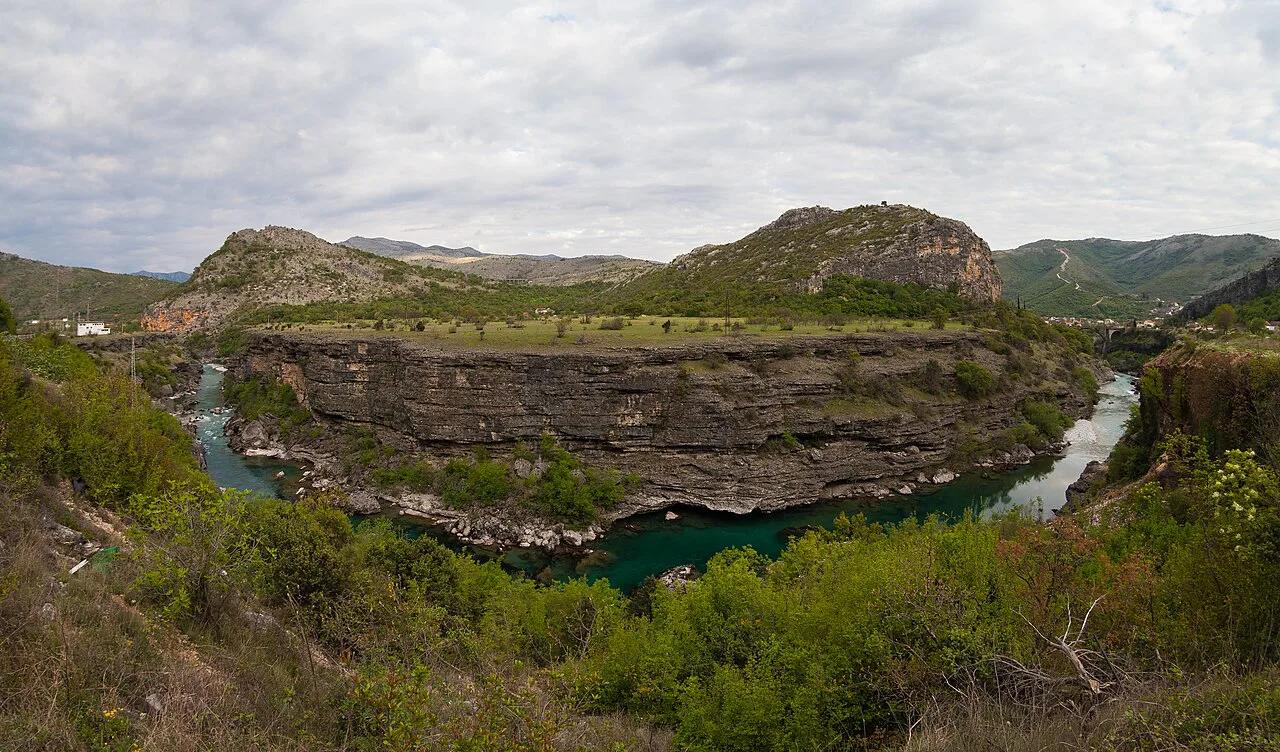
Featured image: Diego Delso, CC BY-SA 4.0, via Wikimedia Commons.
Is driving in Montenegro worth it?
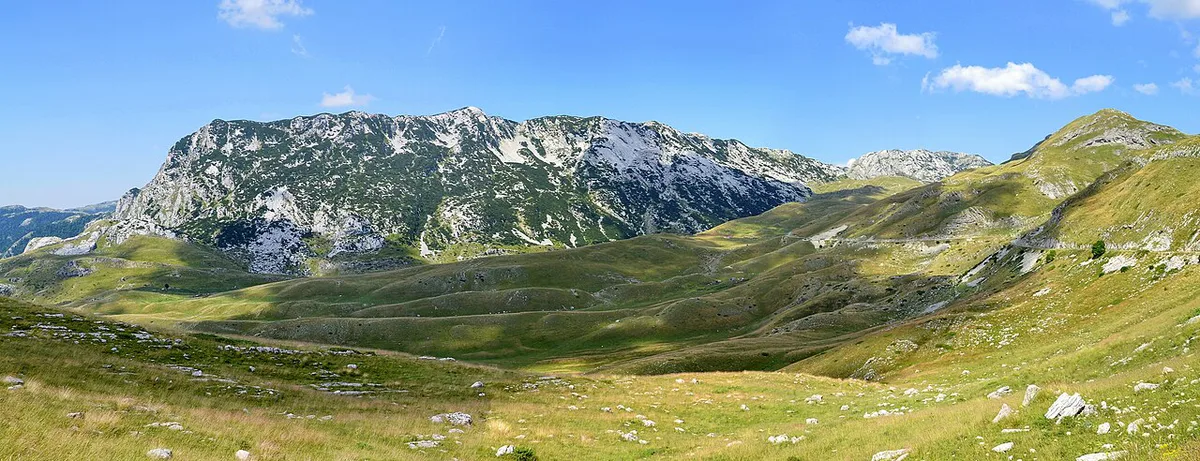
Driving pays off when your plan includes the mountains, canyon roads or several bases. It pays off less when you will spend most days inside Kotor, Budva or Podgorica. Traffic is slow in summer, and parking in old towns is tight. Drive on the right, as in most of Europe. Use the table to match transport to your itinerary.
| Itinerary | Best option | Why |
|---|---|---|
| Coast only (Kotor, Budva, Tivat) | Buses and taxis | Summer traffic and tight parking cost more time than a car saves |
| Coast plus mountains | Rental car | Kolašin, Rijeka Crnojevića and the Serpentine are hard to reach otherwise |
| Cross-border (Albania, Croatia, Bosnia) | Rental car with written permission | Check the rental company's border rules before booking |
| Evenings with alcohol | Taxi | Any drinking before driving is a risk, so plan a ride |
Key rules to know before you drive
Dipped headlights are expected day and night. Travelers report police stops for driving without them, so switch them on at pickup. Seatbelts are mandatory, and a phone is allowed only with a hands-free setup. Treat alcohol as a flat zero. Published figures differ between sources, and the safe plan is not to drink before driving at all. Speed limits are commonly reported as 50 km/h in towns and higher outside them, with posted signs overriding any rule of thumb. Police use radar rather than fixed cameras, so a quiet straight road is not a safe place to speed. For current limits, fines and road notices, check Monteput, the national road manager.
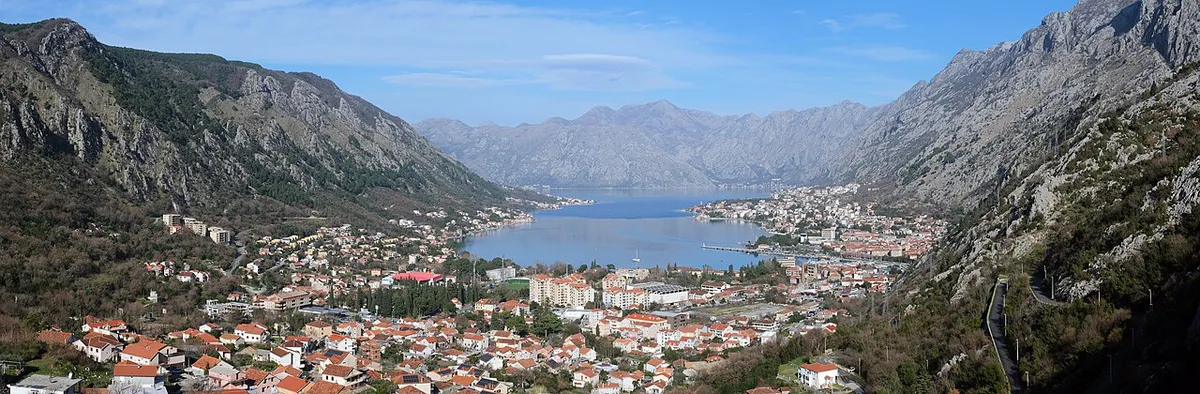
Town limits of 50 km/h meet single-lane Bay of Kotor roads, where cruise-day traffic can slow every plan.
- Carry your home licence, passport and the rental papers in the car.
- Ask the rental desk whether an International Driving Permit is needed for your licence type.
- Keep the insurance and Green Card documents the rental company gives you.
Road conditions and the routes that matter
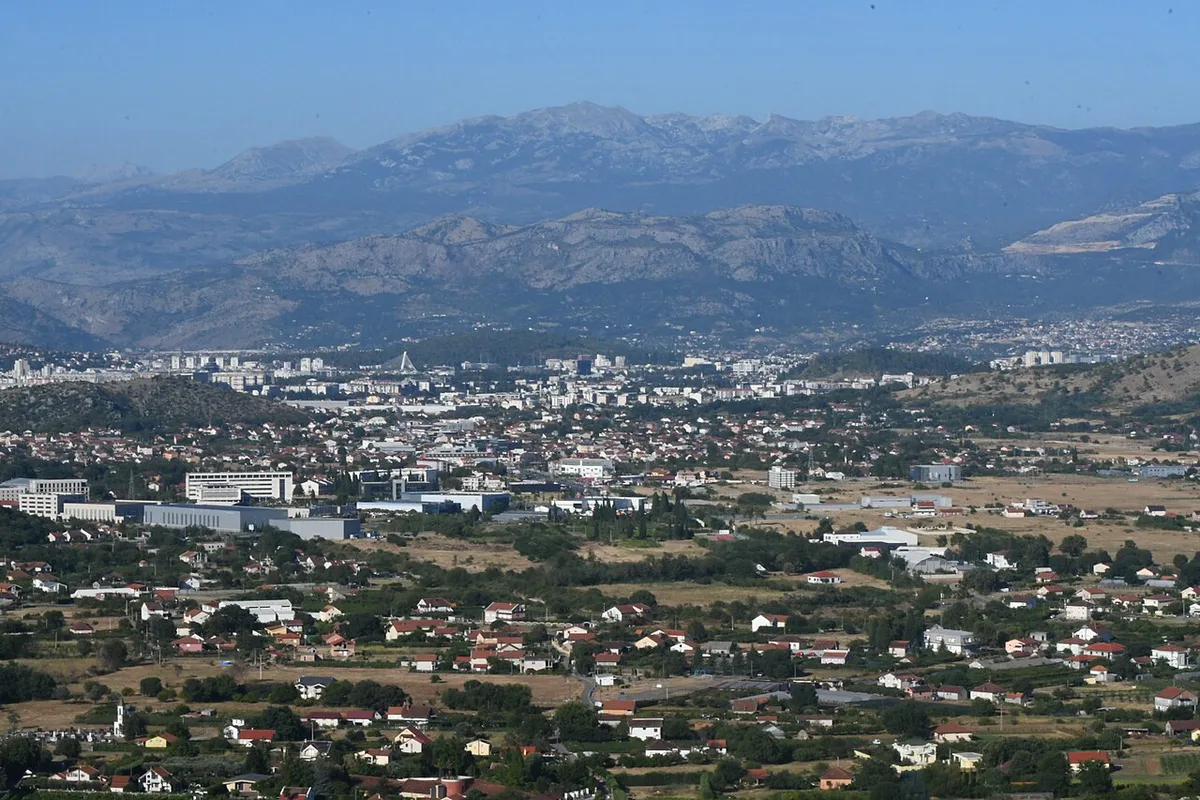
Highways and many back roads are well surfaced, but the coastal road is single-lane and overtaking is difficult. Potholes, stray animals and pedestrians appear on rural stretches. Some tunnels in the south are unlit, so slow down before entering. Only highways carry numbers, and most village roads are unnamed. Download offline maps and navigate by landmarks and town names. Drive times vary with traffic and season, so check them in your navigation app on the day.
Rain can leave roads slippery or flooded, so the M2.3 turn-off to Rijeka Crnojevića deserves extra care.
- Kotor to Njegusi: the Serpentine has 25 curves and views over the whole Bay of Kotor. Navigation apps may skip it. Route via Trojica and follow the P1 to climb it.
- Rijeka Crnojevića: turn off the M2.3. The road is rougher than the highway but scenic.
- Podgorica to Kolašin: a canyon road that rewards daylight driving.
- Podgorica to the north: a highway section is signed for a higher limit than ordinary roads.
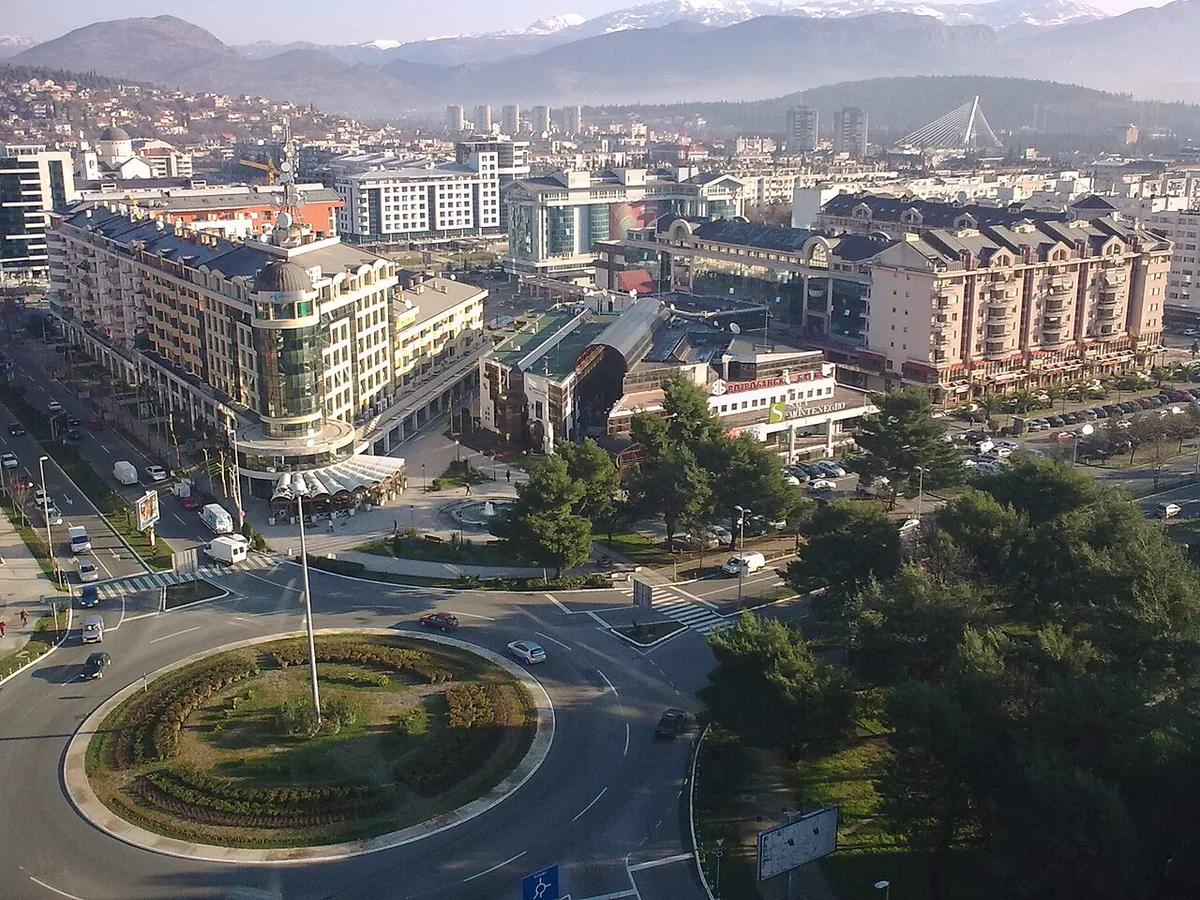
Bay of Kotor and summer traffic
Roads around the Bay of Kotor are single-lane, and traffic builds when cruise ships are in port. Travelers report that a short approach into Kotor can take an hour on busy days. Arrive early or after the afternoon rush. On cruise days, park outside the old town and walk in. Tivat airport arrivals heading to Kotor should avoid midday where possible. The national tourism organisation publishes visitor information on the coast.
Winter and seasonal driving
Snow and ice affect mountain areas in winter, and rain can leave roads slippery or flooded. Winter tyres and chains are advised for mountain trips in cold months. Ask your rental company what equipment is fitted, because legal dates and requirements change. Coastal summers bring jams rather than snow, so allow extra time between Kotor, Budva and Tivat. Check road status with Monteput before heading to Kolašin or other high routes.
Renting a car and crossing borders
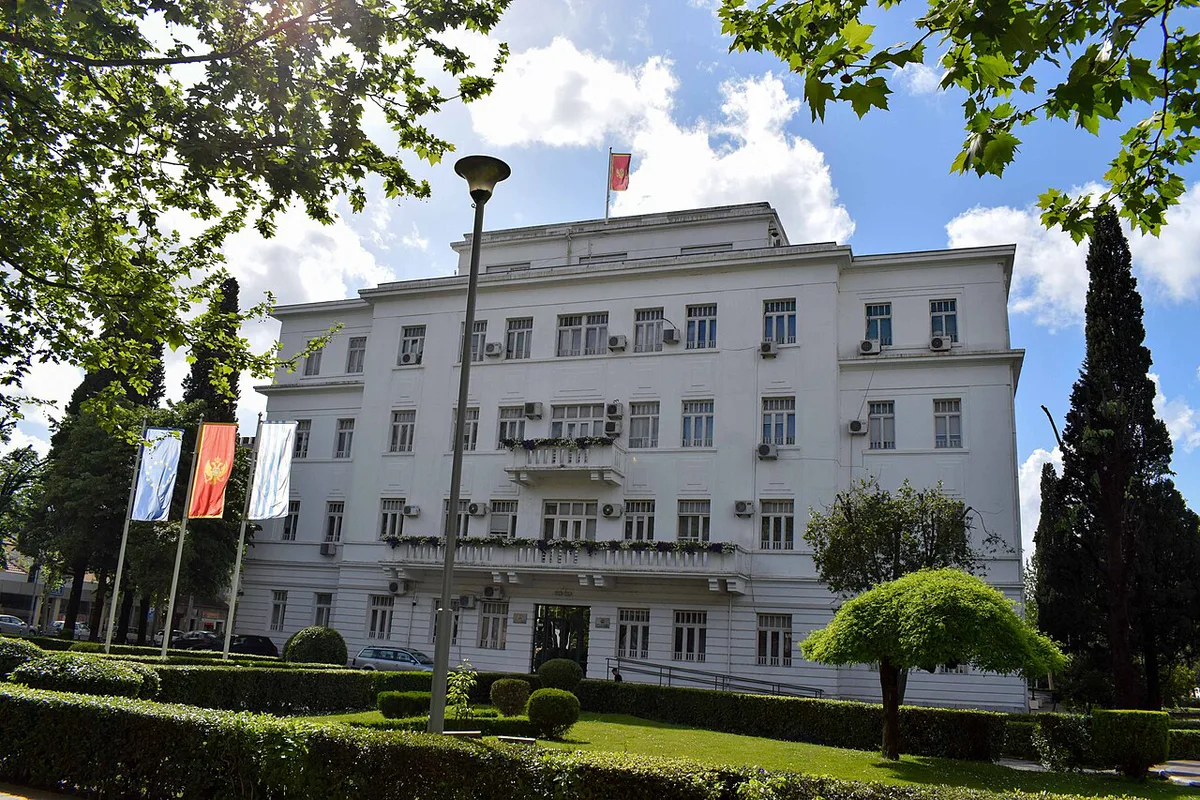
Montenegro borders Croatia, Bosnia and Herzegovina, Serbia, Kosovo and Albania, and a ferry also runs from Italy. Rental cars usually need written cross-border permission and Green Card cover, often for a fee. Ask at booking, not at the border. Crossing from Albania? Read our guide to driving in Albania first. Our Albania road trip route shows where Montenegro fits in a longer loop. Heading toward Bosnia or Serbia? See Driving in Bosnia: Rules, Rentals & Road Tips and Driving in Serbia: Rules, Tolls, Car Hire and Routes. Border waits vary by season and day, so build in slack. Pick up in Podgorica or Tivat if you arrive by air.
Common mistakes to avoid
Most problems come from a short list of habits. Fix them before you leave the rental lot.
- Driving without dipped headlights on.
- Having any alcohol before driving.
- Speeding past radar checks.
- Trusting GPS on narrow roads, especially toward the Serpentine.
- Driving into Kotor on cruise-ship days.
- Entering southern tunnels fast when they may be unlit.
Frequently Asked Questions
What side of the road do they drive on in Montenegro?
Traffic drives on the right, as in most of Europe. Overtake on the left only where the road is clear and signs allow it.
Road-rule changes worth knowing
Optional updates to our guides.
You might also like

Continue reading
More guides you'll find useful