
Driving in Romania: Rules, Rovinieta Vignette & Road Tips
Planning to drive in Romania? Licence rules, the rovinieta e-vignette, speed limits, winter tyres and when a car is worth it, in one practical guide.
On this page
Last updated November 2026: driving in Romania works well for foreign visitors who hold a valid licence, buy a rovinieta e-vignette and carry the compulsory safety kit. A car pays off in Transylvania and along the Danube near Orșova. In Bucharest, Brașov, Cluj and Timișoara, it mostly adds parking stress.
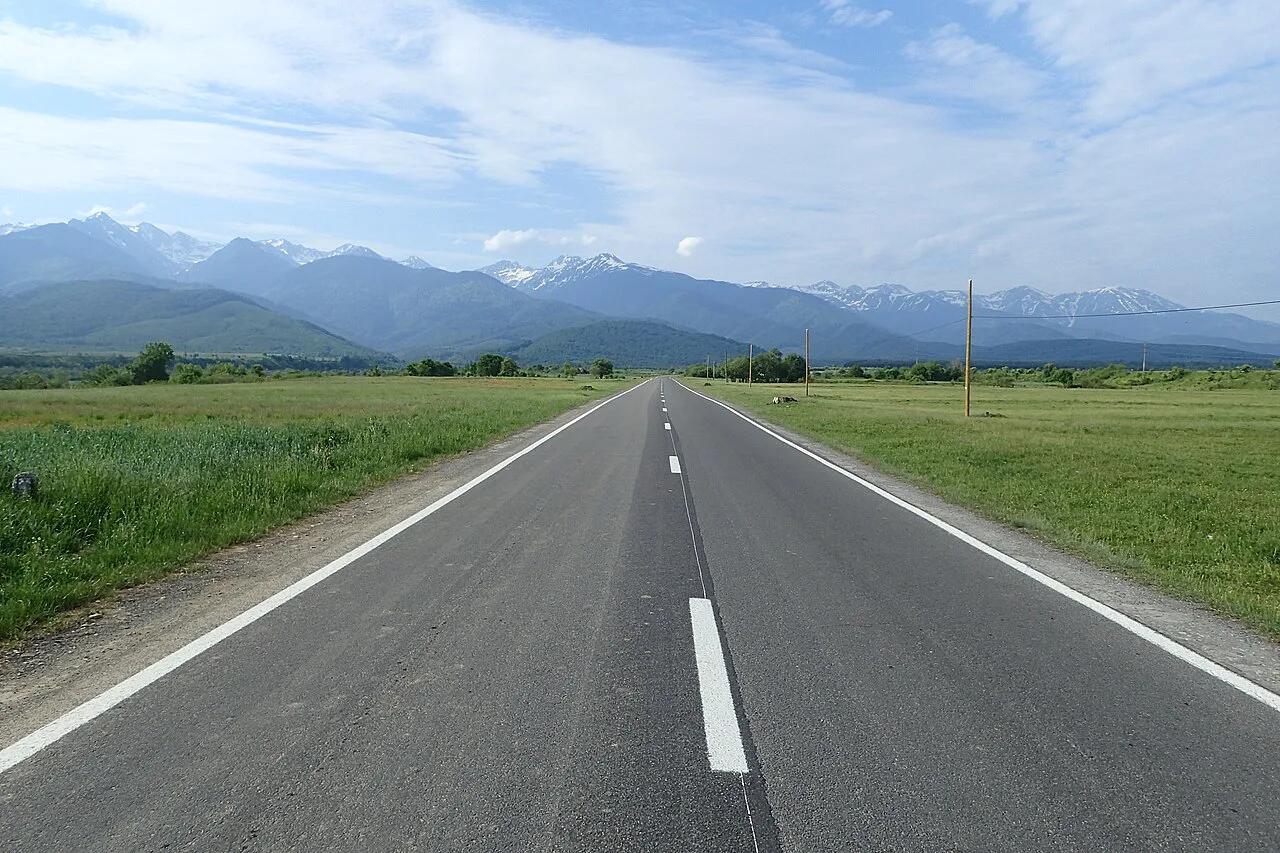
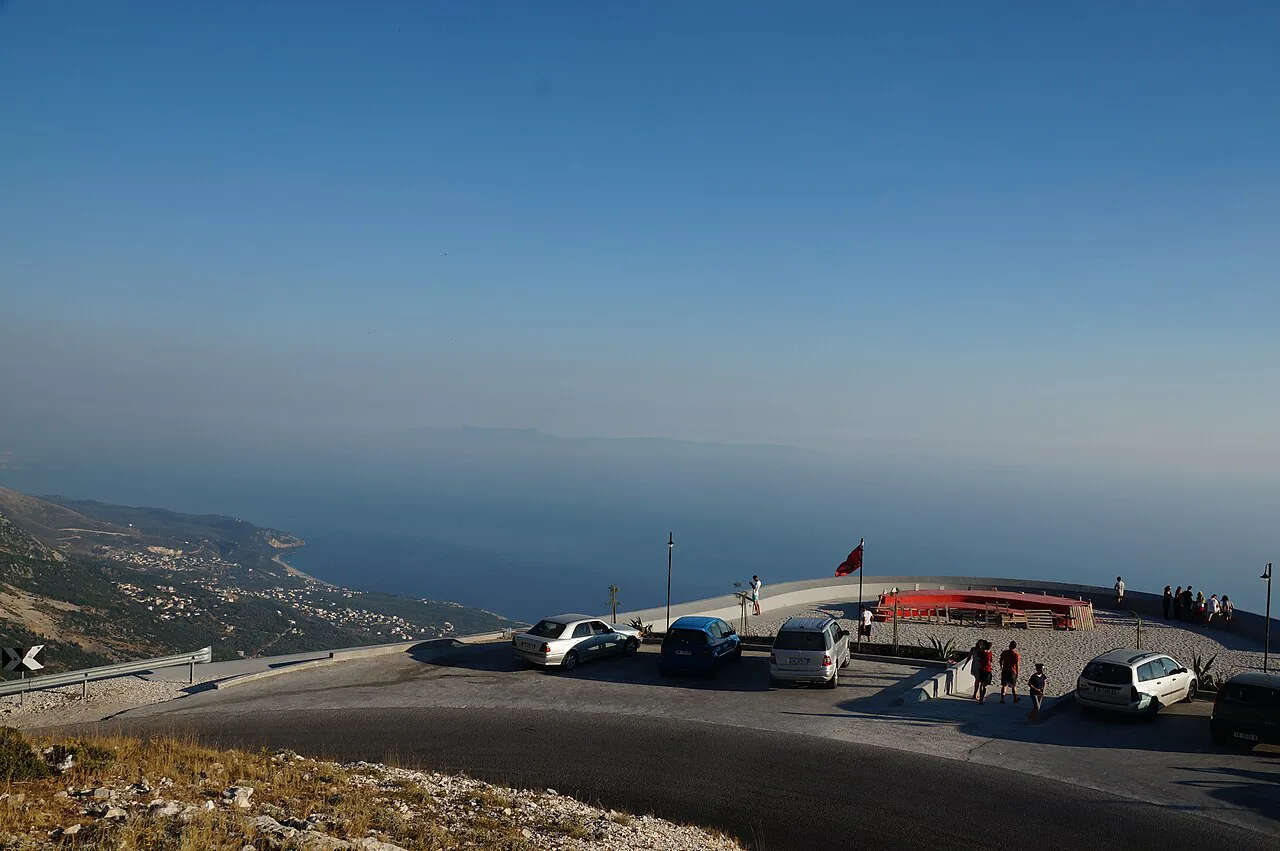
Featured image: Krzysztof Ziarnek, Kenraiz, CC BY-SA 4.0, via Wikimedia Commons.
Quick answer: can you drive in Romania, and should you?
Foreign drivers can drive in Romania on the right-hand side, the same as most of Europe. Three things matter before you start the engine. Those are a valid licence, a rovinieta road vignette and the required safety equipment. The local currency is the Romanian leu (RON). Outside the cities a car gives you freedom to reach villages, mountain roads and Danube viewpoints. Inside city centres, trains, buses and taxis are usually easier. Prices and rules in this guide were checked in November 2026.
- Before booking: check your licence age, the rental driver age rules and whether your route crosses a border.
- At pickup: ask whether the rental already includes a rovinieta, and check the tyres, warning triangle, vest and extinguisher.
- At the border: carry your passport, licence, insurance papers and the vehicle registration certificate.
- On the road: keep headlights dipped outside built-up areas and drink no alcohol at all.
Licence, age and documents for driving in Romania
Romanian rules ask for a fully valid licence that you have held for at least 1 year. EU and EEA licences are accepted. An International Driving Permit is allowed but not obligatory. The minimum driving age is 18. Most rental firms set their own minimum at 21, add a young-driver surcharge under 25, and often cap rentals at about 70 years old. Carry your passport, licence, insurance papers and the registration certificate. If the car is not yours, bring written permission from the registered owner.
Drivers under age 25 can face a rental surcharge even with a licence held for at least 1 year. Check both before you book.
- Valid driving licence
- Passport or other ID
- Insurance documents (green card)
- Registration certificate
- Written owner permission for a borrowed car
The rovinieta: how to buy the road vignette
The rovinieta is Romania's electronic road-use fee, enforced by the road authority CNAIR. You need it for motorways and state roads. It is tied to your licence plate and stored in a national database, so there is no sticker to display. Validity options are 7 days, 30 days, 90 days and 12 months. You can pick the first day of validity when you buy. The official seller is the erovinieta.ro portal. Petrol stations also sell it. Ask your rental company whether the car already has one, so you do not pay twice. Driving without a valid rovinieta risks a fine, so buy it before your first motorway kilometre.
Rules of the road you will notice
Drive on the right and overtake on the left. Trams are the exception, and you pass them on the right unless the street is one-way or space is tight. At a tram stop with no pedestrian island, stop 5 m from the end carriage and wait until the doors close. Give way to traffic from the right at roundabouts and in built-up areas. Horns are banned in built-up areas between 22:00 and 06:00. Seatbelts are mandatory in front and rear seats. Children under 12 may not ride in the front seat. Any child under 13 and shorter than 150 cm needs a restraint or booster seat. Dipped headlights are required outside built-up areas by day. The blood alcohol limit is 0.00%, so skip even one drink before driving.
Speed limits in Romania
Limits depend on the road type, and signs override the defaults. Limits differ for some vehicle types, so check the plate or sign on a rental van or camper.
| Road type | Typical limit |
|---|---|
| Built-up areas | 50 km/h |
| Main roads outside built-up areas | 90–110 km/h |
| Major roads outside built-up areas | Up to 130 km/h |
Winter tyres, snow and mountain roads
Winter tyres become mandatory when roads are covered by snow, ice or black ice. They go on all wheels and carry the M+S marking. Tread depth must be at least 1.6 mm. Studded tyres are allowed on snow or ice if officially approved. Ask the rental desk what tyres your car wears before you leave in December to February. Mountain passes in the Carpathians can close or slow down in winter, so keep a fallback route in mind. Spring, from March to May, and autumn, from September to November, are comfortable months for a road trip. Summer runs from June to August and suits mountain driving best.
Winter tyres need tread of at least 1.6 mm, and summer tyres on snow or ice are a common mistake to avoid.
Compulsory equipment and fuel
Cars with more than two wheels must carry a warning triangle, a reflective jacket and a fire extinguisher. Headlamp converters and a spare bulb kit are also listed, so ask the rental firm for a full kit. Stations sell unleaded petrol in 95 and 98 octane, diesel and LPG. Many accept cards, but payment is in RON. Carrying fuel in a can is allowed. Make sure it is empty when you leave Romania.
Parking and city driving
Parking in town centres and near tourist sights usually needs payment. Keep loose RON coins, because card machines are not guaranteed. The official rule is to park facing the direction of traffic, usually on the right side. Trams add complications in Bucharest and Timișoara, so watch for rails and stops. If your hotel has parking, leave the car there and use taxis or public transport for the day.
Costs at a glance
Prices change by season and vendor. Use the official portal for the rovinieta, and compare rental quotes for everything else.
| Cost | What to know |
|---|---|
| Rovinieta | Sold for 7 days, 30 days, 90 days or 12 months at erovinieta.ro |
| Rental | Young-driver surcharge under age 25; ask about cross-border fees |
| Danube bridge tolls | Paid on top of the vignette at certain crossings |
| Fuel | Paid in RON; compare petrol, diesel and LPG at the pump |
| Parking | Paid in most centres; carry coins |
Is a car worth it? A region-by-region guide
Match the transport to the region, not the whole trip. A mixed plan is often best, with trains between big cities and a rental for the countryside.
| Region | Best choice | Why |
|---|---|---|
| Bucharest and big city centres | Taxi, train or bus | Tight parking, trams and slow traffic |
| Transylvania villages and castles | Drive | Flexible stops between small towns |
| Danube near Orșova | Drive | Viewpoints and river roads are hard to reach otherwise |
| Black Sea coast | Mixed | Drive for flexibility, but expect resort parking |
| Timișoara and Cluj | Train or bus, then rent | Easy to rent for day trips |
Border crossings and Danube bridge tolls
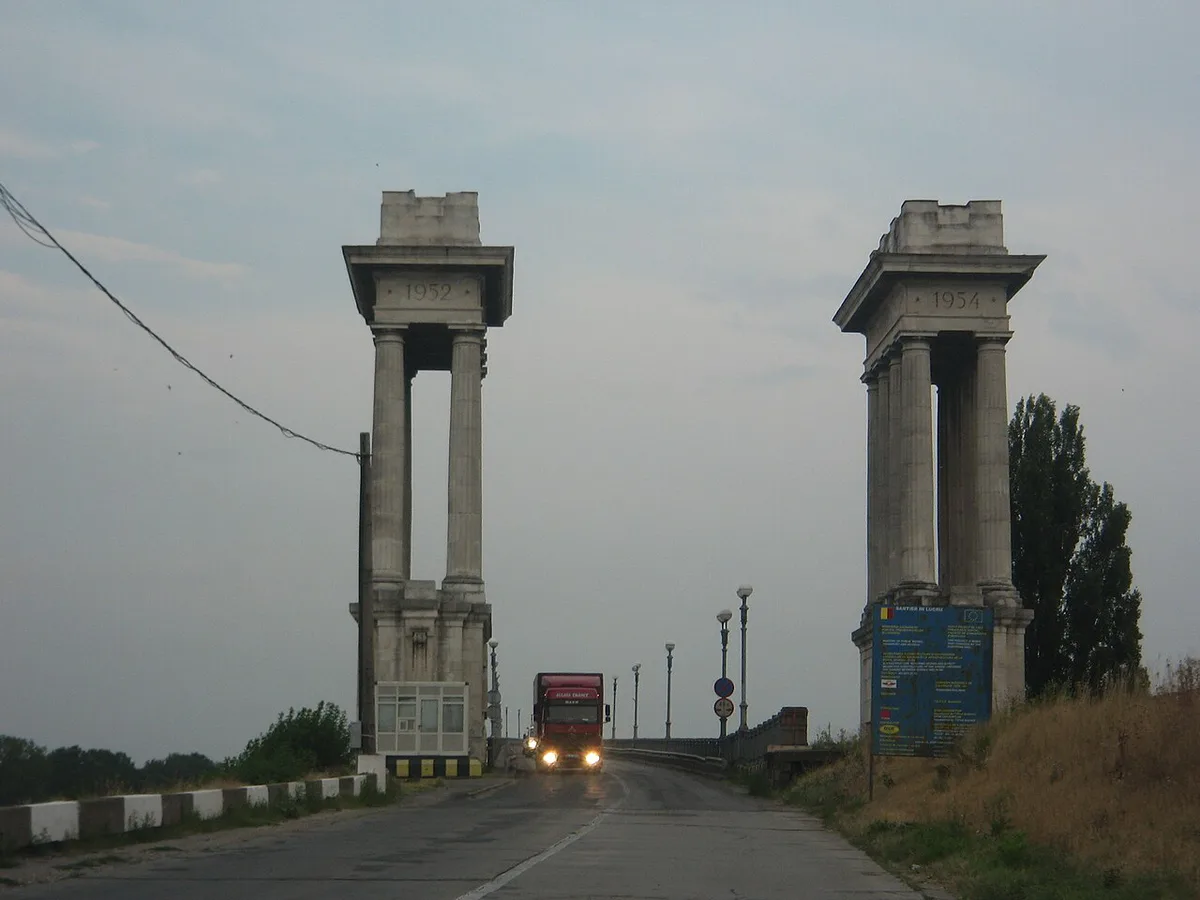
Some Danube bridges charge extra tolls on top of the vignette. Four are widely listed: Calafat–Vidin, Giurgiu–Ruse, Fetești–Cernavodă and Giurgeni–Vadu Oii. Carry your passport, insurance papers and registration at every crossing. Check the current amount and payment method before you arrive. Giurgiu–Ruse and Calafat–Vidin lead into Bulgaria, so read about driving across the border in Bulgaria first. The Danube near Orșova runs along Serbia. For that side, see road rules on the Serbian side. Planning a longer Balkan trip? Compare Driving in Bosnia: Rules, Rentals & Road Tips with Romania's rules. Albania has its own set of rules, covered in our Albania driving guide. Montenegro is different again, so read the Montenegro driving rules before you cross.
Common mistakes and emergencies
Most problems come from small oversights. Skipping the rovinieta, drinking any alcohol, using the horn at night in town and overtaking trams on the wrong side are the usual traps. Summer tyres in snow and no coins for parking come next. In an emergency, dial 112 for an English-speaking operator. Rules and fees last checked November 2026.
- No rovinieta on motorways or state roads
- Any alcohol before driving (limit 0.00%)
- Horn use in built-up areas from 22:00 to 06:00
- Overtaking a tram on the left
- Summer tyres on snow or ice
- No coins for street parking
Road-rule changes worth knowing
Optional updates to our guides.
You might also like

Continue reading
More guides you'll find useful