Sella Ronda Guide: Direction, Timing, Passes, Costs
How to plan the Sella Ronda in the Dolomites: clockwise vs anti-clockwise, timing, who it suits, passes, tickets and summer options.
On this page
Last updated November 2026: the Sella Ronda is a loop of about 40 km around the Sella massif, linking Val Gardena, Alta Badia, Arabba and Val di Fassa. In winter you ski it in a day, and in summer you drive, cycle or e-bike the same ring over four passes. Pick a direction, a start time and a base before you go, because lift timetables set the schedule.
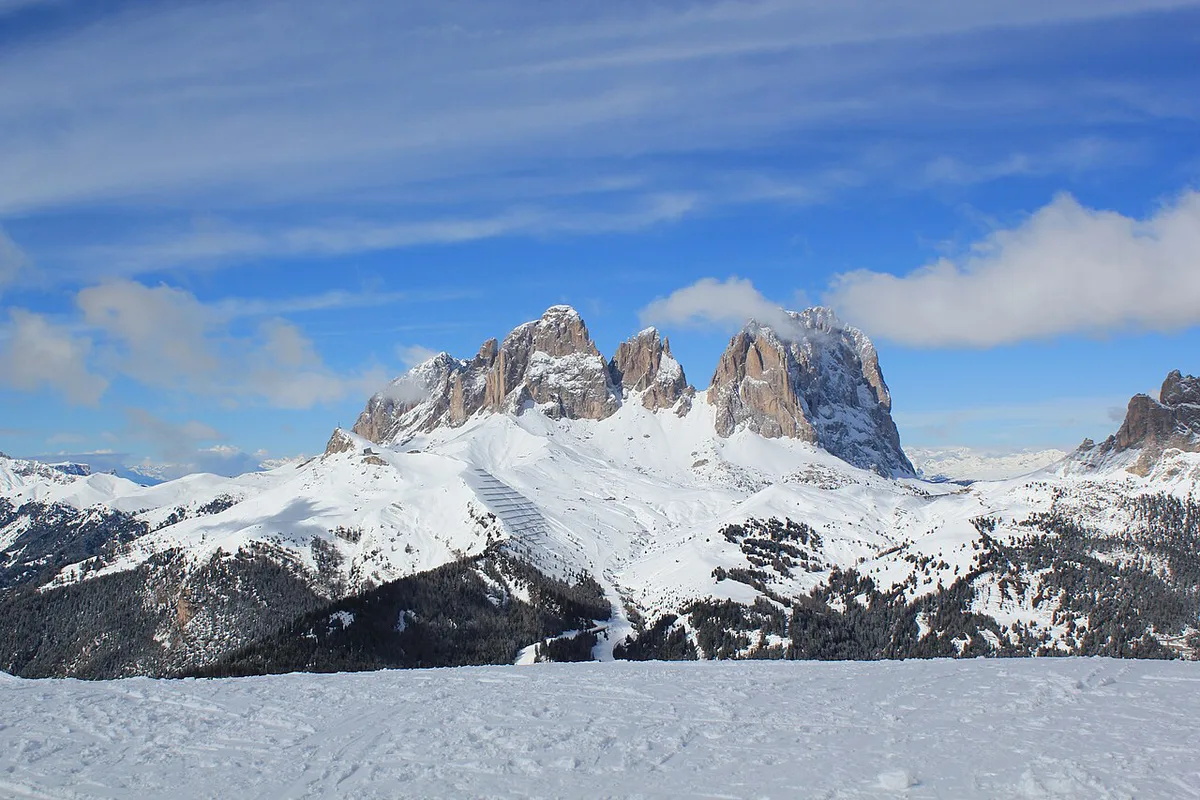
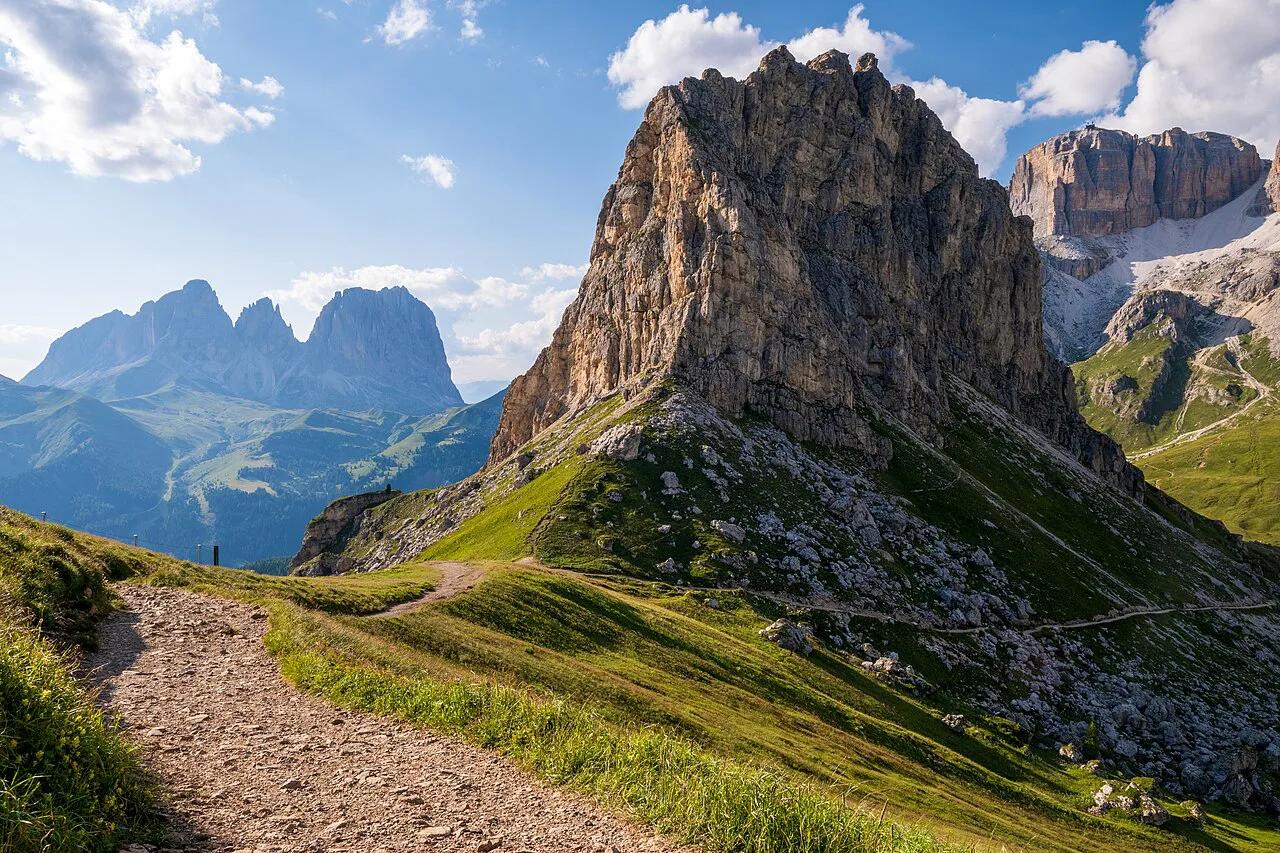
Featured image: Schwiebi, CC BY-SA 3.0, via Wikimedia Commons.
Sella Ronda at a Glance
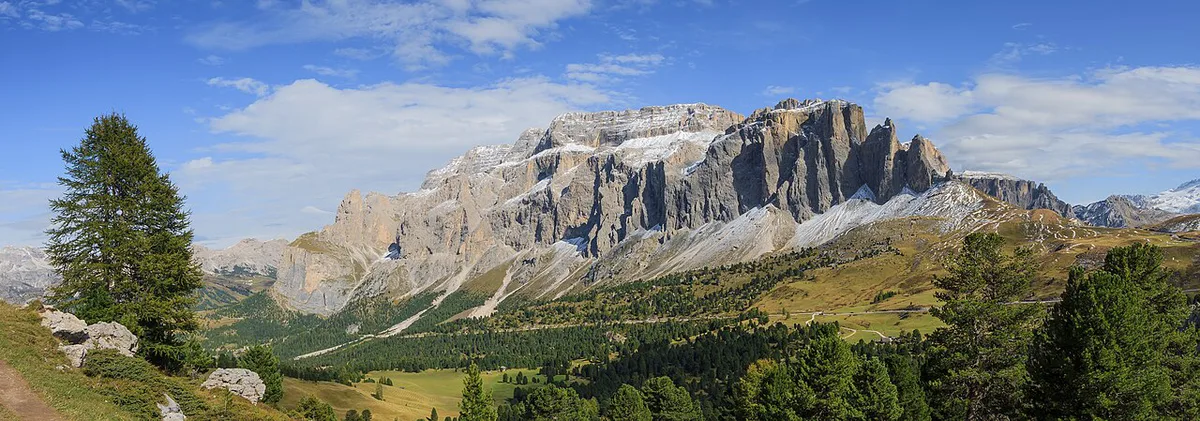
Skiers circle the Sella massif through four valleys on a route of about 40 km. Most of the distance is linked by lifts and runs rather than by road. Summer visitors follow the same ring on asphalt over four passes. Winter and summer need different planning, so each has its own section below. Distances and times here are commonly cited figures. Prices and hours checked November 2026 against the valley tourism boards.
- Length: about 40 km around the Sella massif
- Valleys: Val Gardena, Alta Badia, Arabba/Livinallongo and Val di Fassa
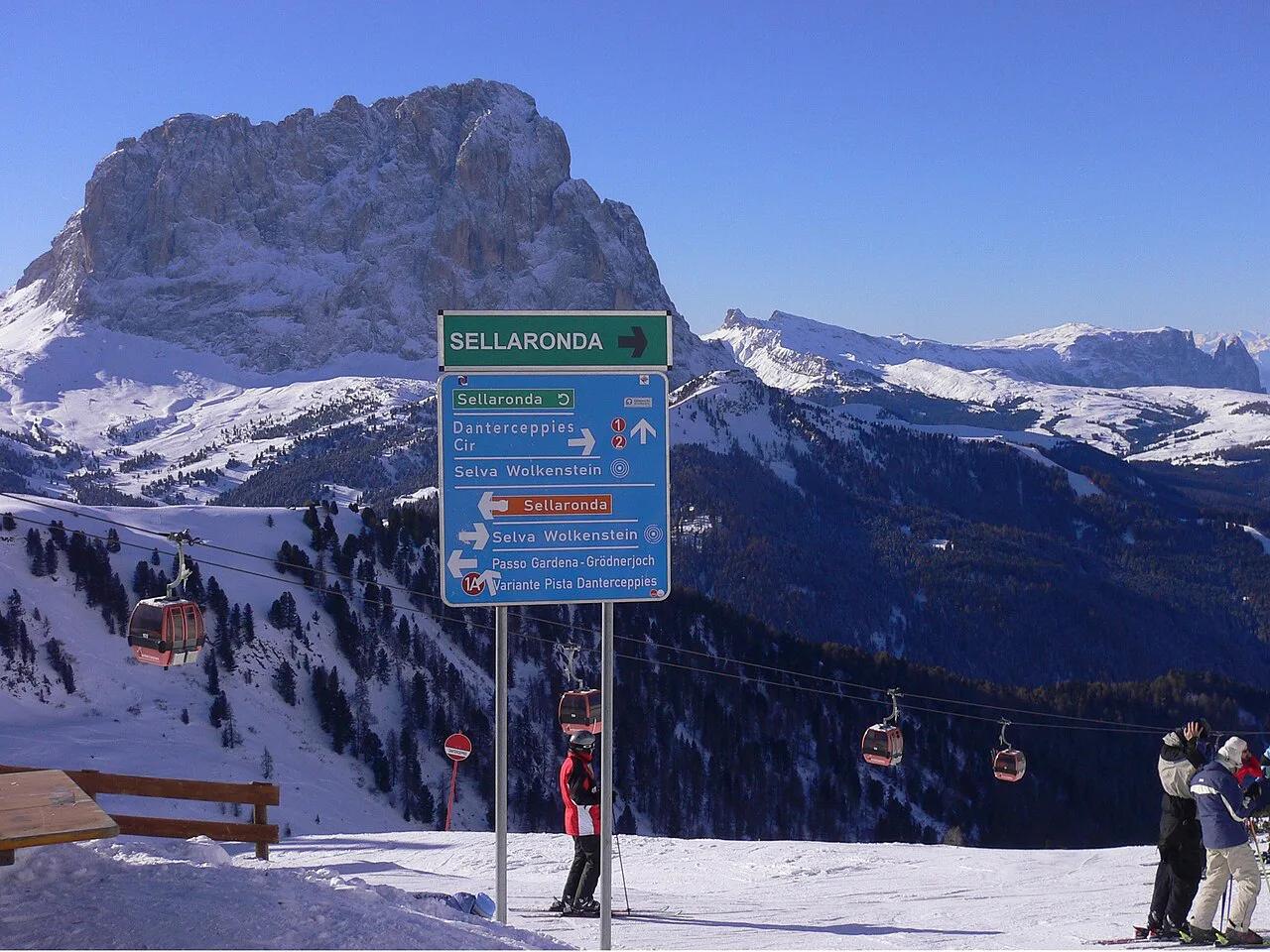
- Signposting: orange for clockwise, green for anti-clockwise
- Typical time on snow: up to six hours with stops
- Summer loop: Passo Gardena, Passo Sella, Passo Pordoi and Passo Campolongo
Clockwise or Anti-Clockwise: Which Direction to Choose
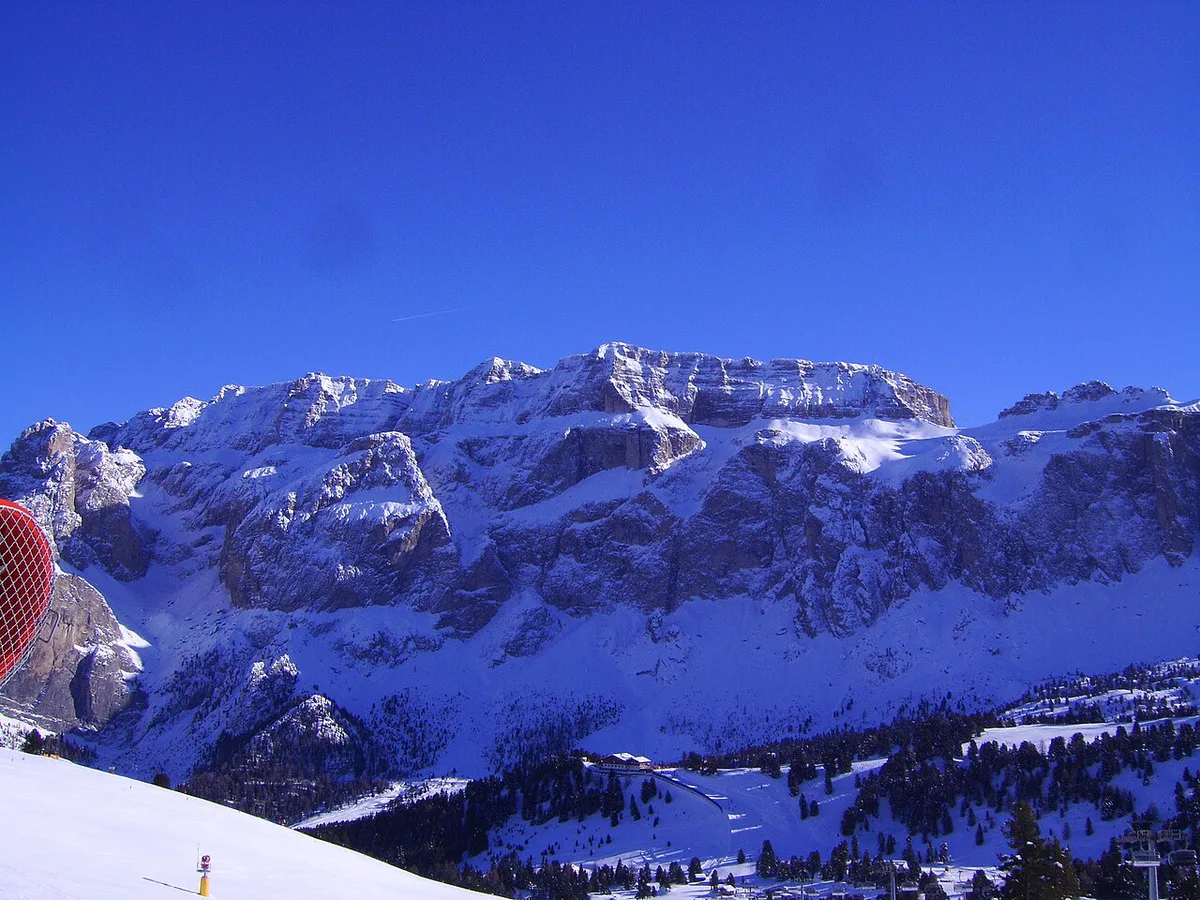
Both directions complete the full circuit. Clockwise follows orange signs, and anti-clockwise follows green signs. Neither direction is clearly easier on every day. Snow, sun and queues shift with the season and the hour. Choose by where you sleep and which lifts you want first thing in the morning. Then compare the two lift maps at your base before committing.
| Factor | Clockwise (orange) | Anti-clockwise (green) |
|---|---|---|
| Signposting | Orange markers | Green markers |
| Distance | Full loop of about 40 km | Full loop of about 40 km |
| Terrain and queues | Varies by day; check the lift map | Varies by day; check the lift map |
| Best for | Skiers who prefer the orange route from their base | Skiers who prefer the green route from their base |
How Long It Takes and When to Start
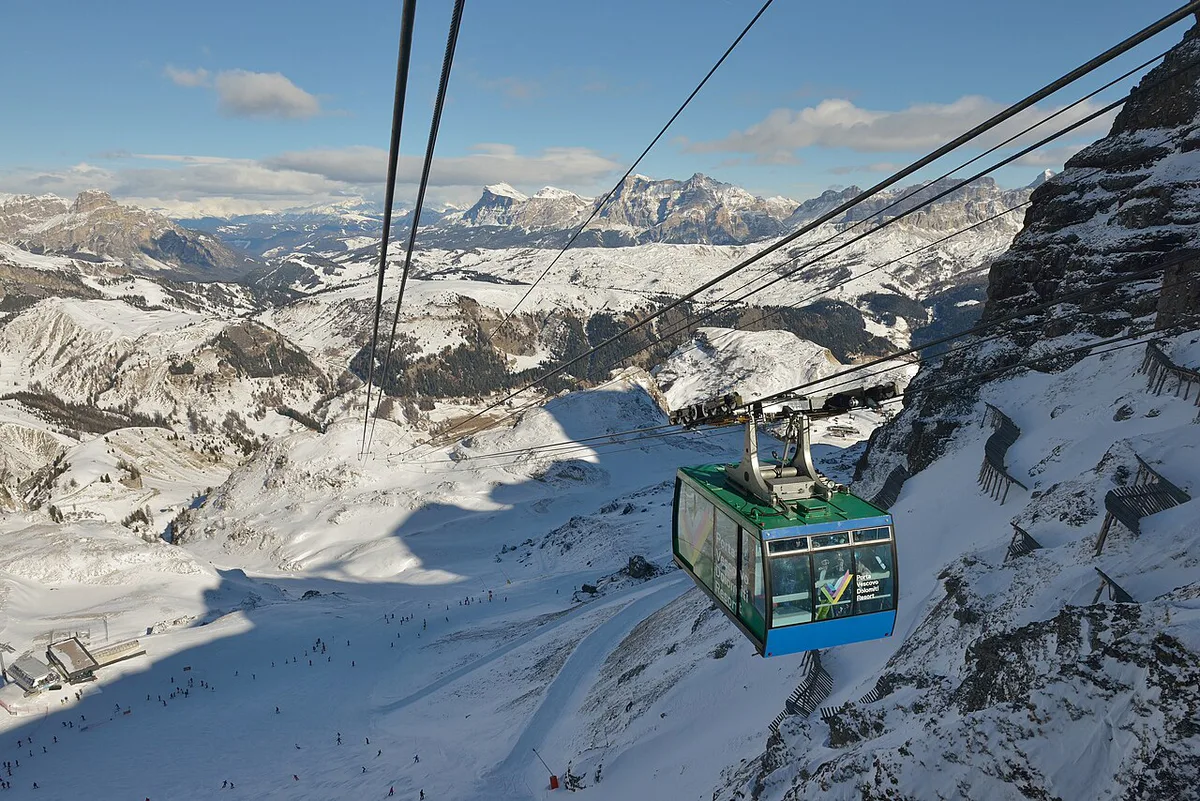
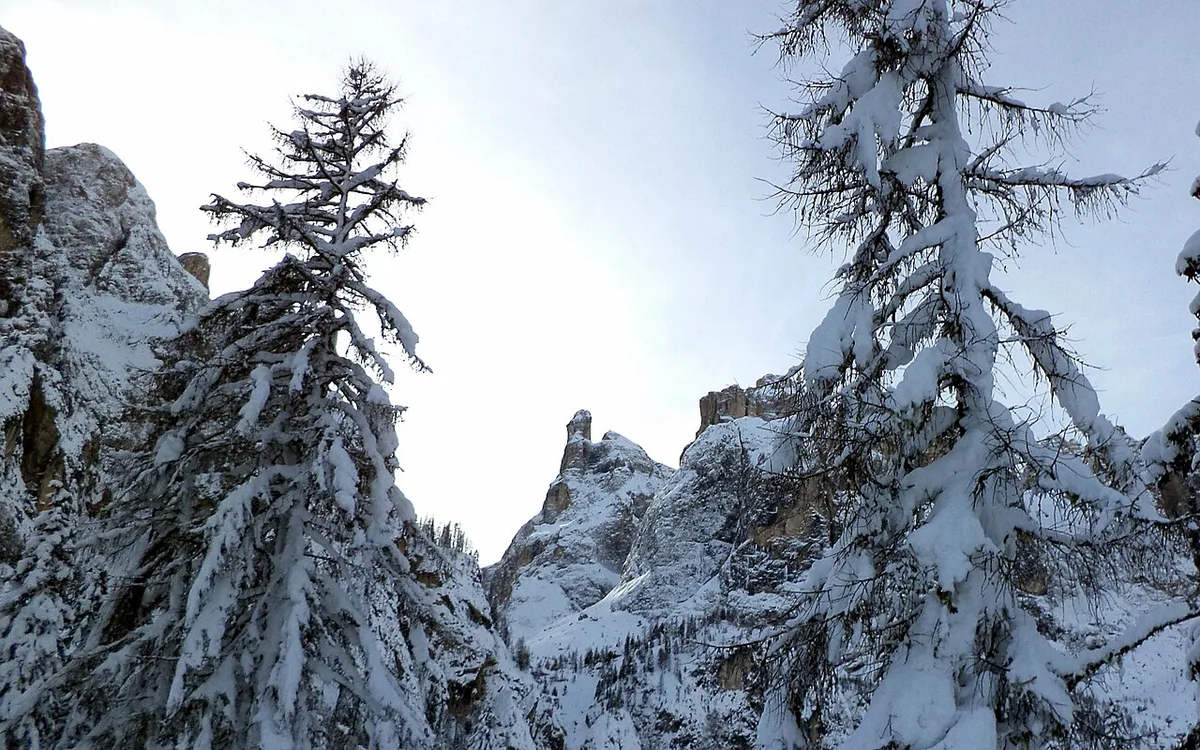
Allow up to six hours on the move, plus lunch. Roughly 23 km of that is downhill skiing and 13.5 km is spent on lifts. Be at the first lift before 10am so you finish ahead of the closing times. Set a turn-back point as well. If you are not through the second valley by early afternoon, stop and head home by ski bus. Last-lift times differ by valley, so read them on the Alta Badia tourism site or the other valley boards the night before.
Lifts cover 13.5 km of the loop, so start time matters more than distance when you are aiming for the last lift.
Who the Sella Ronda Suits (and Who Should Skip It)
The loop suits intermediate and advanced skiers who are comfortable on red runs. Stamina matters more than technique, because the day is long. Skip it if any of the points below describe you.
- You are a beginner or uneasy on red runs
- You would start after late morning
- Visibility is poor or a storm is forecast
- You have no plan for getting back to your base if you miss a lift
Passes, Tickets and Real Costs
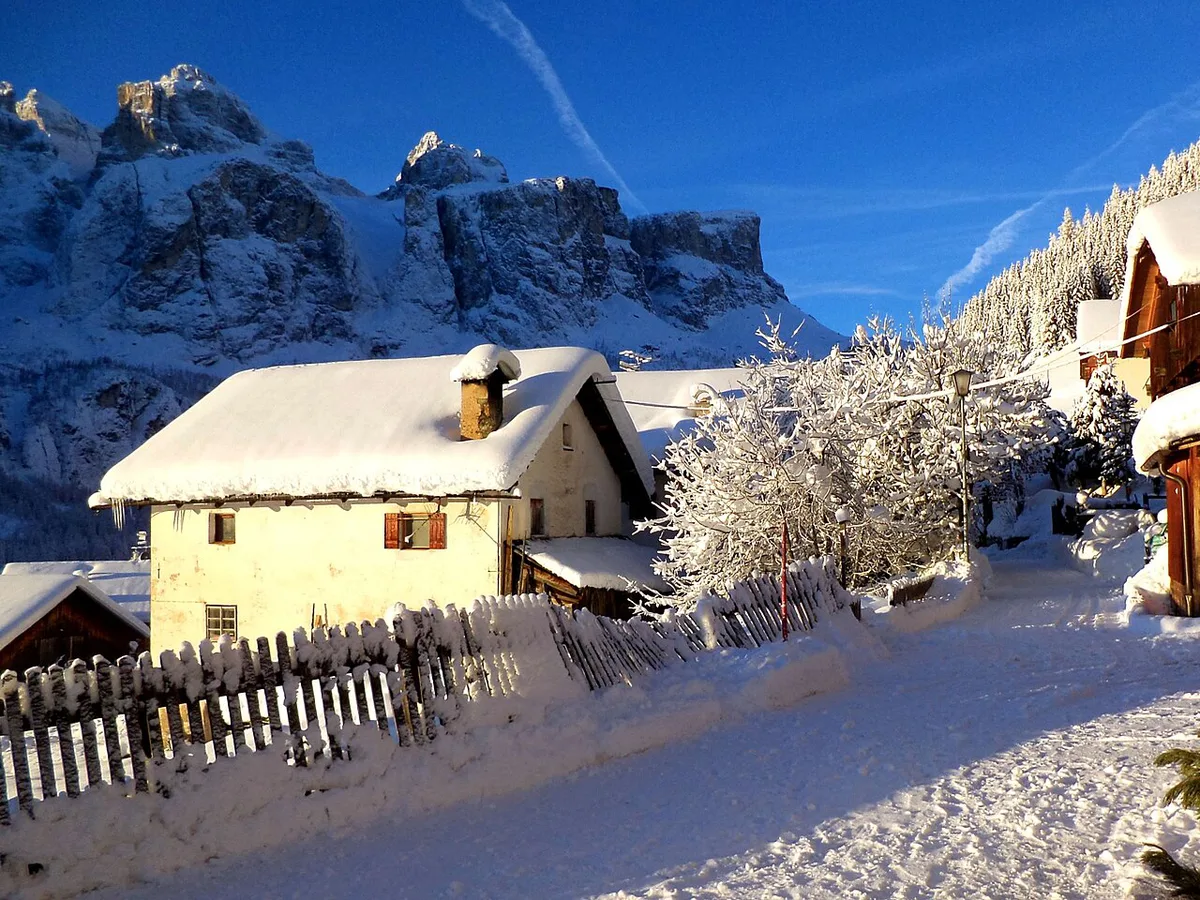
Most skiers use a Dolomiti Superski pass, and a 3-day pass is a common choice for the loop. Compare multi-day passes with any single-valley pass before you buy. The loop crosses four valleys, so a pass limited to one valley will not cover it. Add the cost of getting back if you miss the last lift. A taxi after dark costs far more than a ski bus. Official prices change each season, so read current rates on the Dolomiti Superski site and the valley tourism boards.
A 3-day pass only makes sense if it covers all four valleys, since a single-valley pass will not cover the loop.
Where to Base Yourself
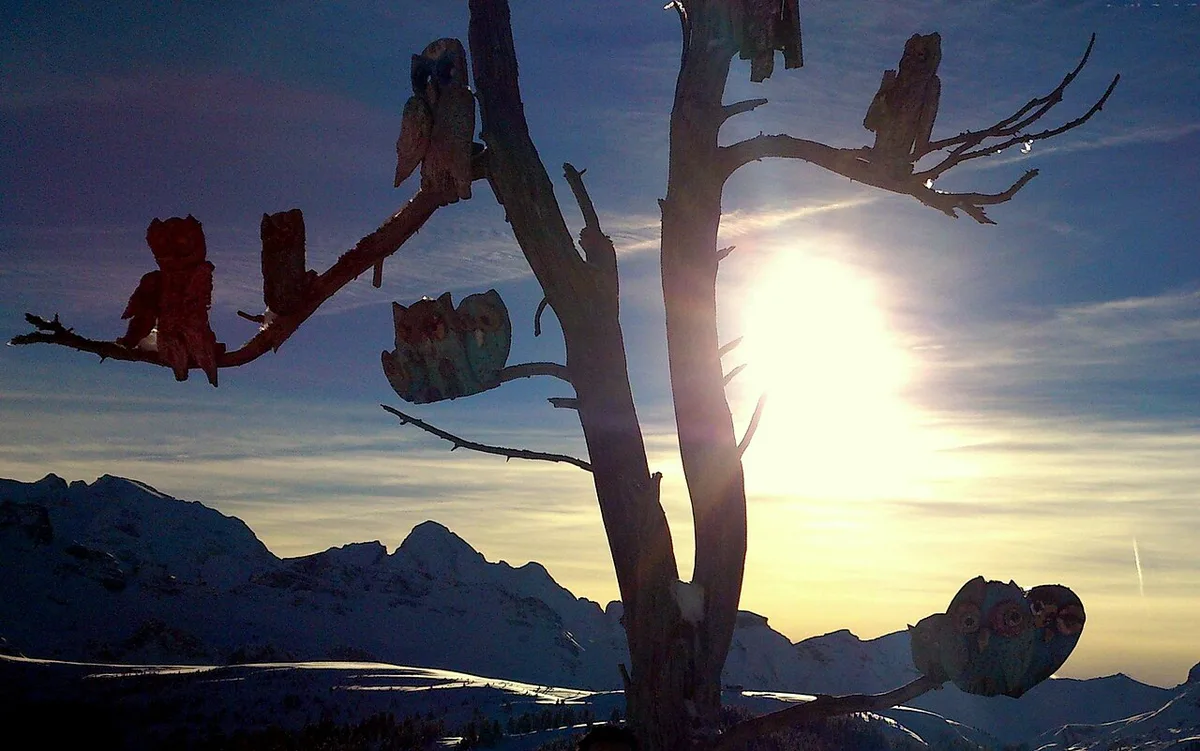
Any of the four valleys works as a base because the loop passes through all of them. Pick by the character of the village and by how you reach it. Selva sits in Val Gardena, Corvara in Alta Badia and Canazei in Val di Fassa. Arabba is the fourth stop on the ring. Read the Val Gardena tourism guide for lodging and lifts there. Val di Fassa has its own listings on the Fassa tourism site.
| Base | Valley | Why choose it |
|---|---|---|
| Selva | Val Gardena | Large ski-resort village with many lodging options |
| Corvara | Alta Badia | Village on the loop with direct lift access |
| Arabba | Arabba/Livinallongo | Compact base in the central section of the ring |
| Canazei | Val di Fassa | Largest village of the Fassa valley |
Getting There and Getting Back
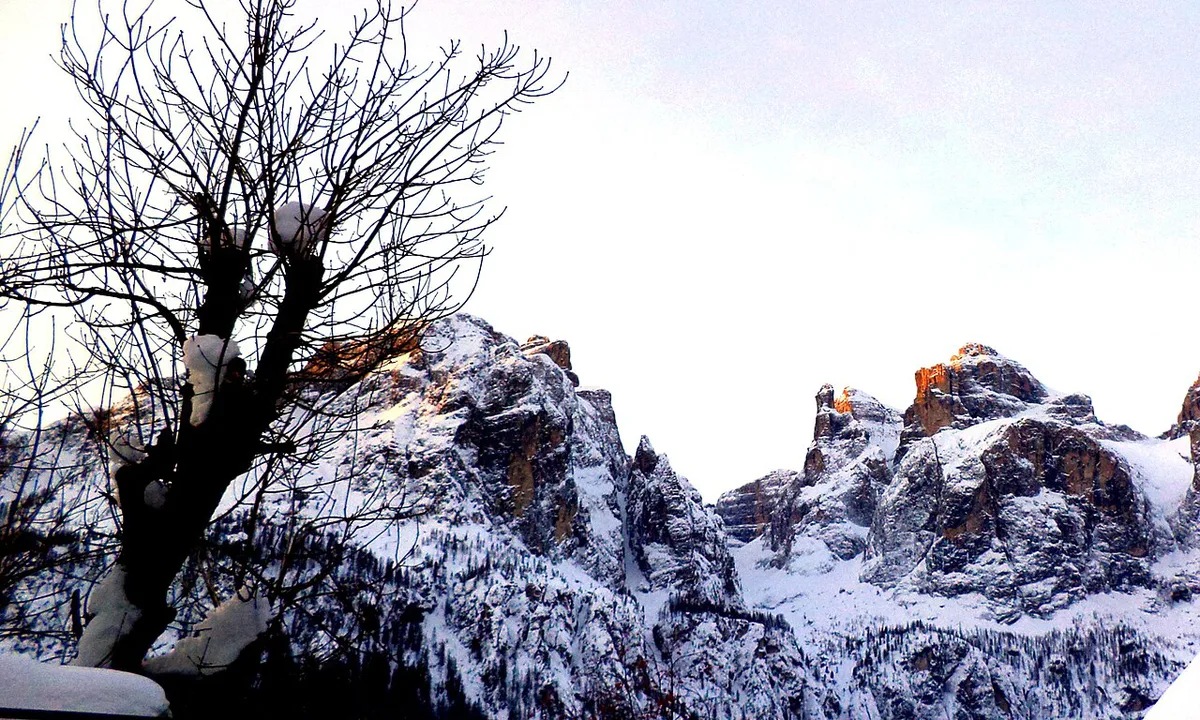
Pick your base first, then work out how you will reach it from the nearest airport or rail hub. Ask your hotel for the ski bus timetable when you check in. Ski buses link the valleys, and a taxi is the fallback after the last lift closes. A taxi may be the only option on a late finish, so keep a local number saved. Journey times from airports vary with road and snow conditions. Check transfer options with South Tyrol tourism or Visit Trentino.
Doing the Sella Ronda in Summer: Road and Bike Loop
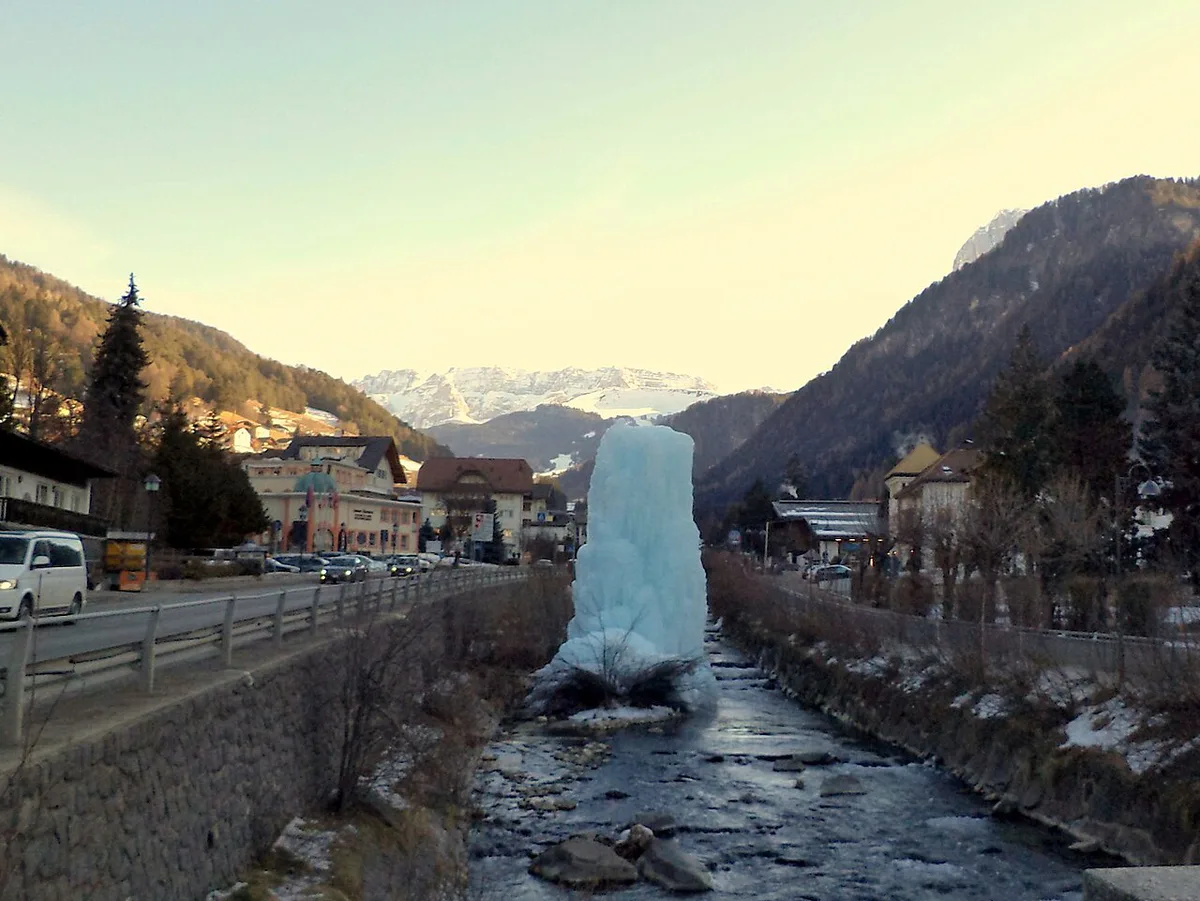
In summer the same ring runs on mountain roads over four passes. They connect Selva, Canazei, Arabba and Corvara. Passo Gardena has its own guide on Passo Gardena (Gardena Pass): Dolomites Driving Guide. Read about Sella Pass (Passo Sella): How to Visit and Drive It before you plan the second crossing. A third crossing is covered in the Passo Pordoi guide. The fourth is Passo Campolongo Guide: Corvara to Arabba Routes. Expect traffic and limited parking at the summits on fine weekends. Passes close in winter and can close for snow outside the season. Check current road status with the provincial authorities before you set out. Cyclists and e-bikers share the same roads, so start early to avoid the traffic. For a longer drive, link the loop to the Great Dolomites Road: Route, Time, Season and Stops. A full itinerary is in our Dolomites road trip guide. Optional extensions include Passo Fedaia: Road Guide, Marmolada Views and Driving Tips and Passo Falzarego Guide: Is the Pass Worth a Stop?.
Safety, Conditions and Mistakes to Avoid
Check lift status and weather on the day, since conditions change fast. Snow cover is never guaranteed in any season. Stay on marked runs, because off-piste routes such as Val Mezdì are for experts with avalanche gear. Poor visibility can turn a six-hour loop into a long day.
- Starting after 10am and risking the last lifts
- Ignoring the turn-back point
- Buying a pass that does not cover all four valleys
- Leaving without a plan for getting back to your base
Frequently Asked Questions
How long does it take to ski around Sellaronda?
Plan on up to six hours, depending on weather and ability. Start before 10am so you finish before the lifts close.
How much does it cost to go skiing in the Dolomites?
Costs depend on the pass, your base and the season. Compare a Dolomiti Superski multi-day pass with single-valley options and budget for lodging and return transport. Read current rates on the official sites.
Road-rule changes worth knowing
Optional updates to our guides.
You might also like
Continue reading
More guides you'll find useful