
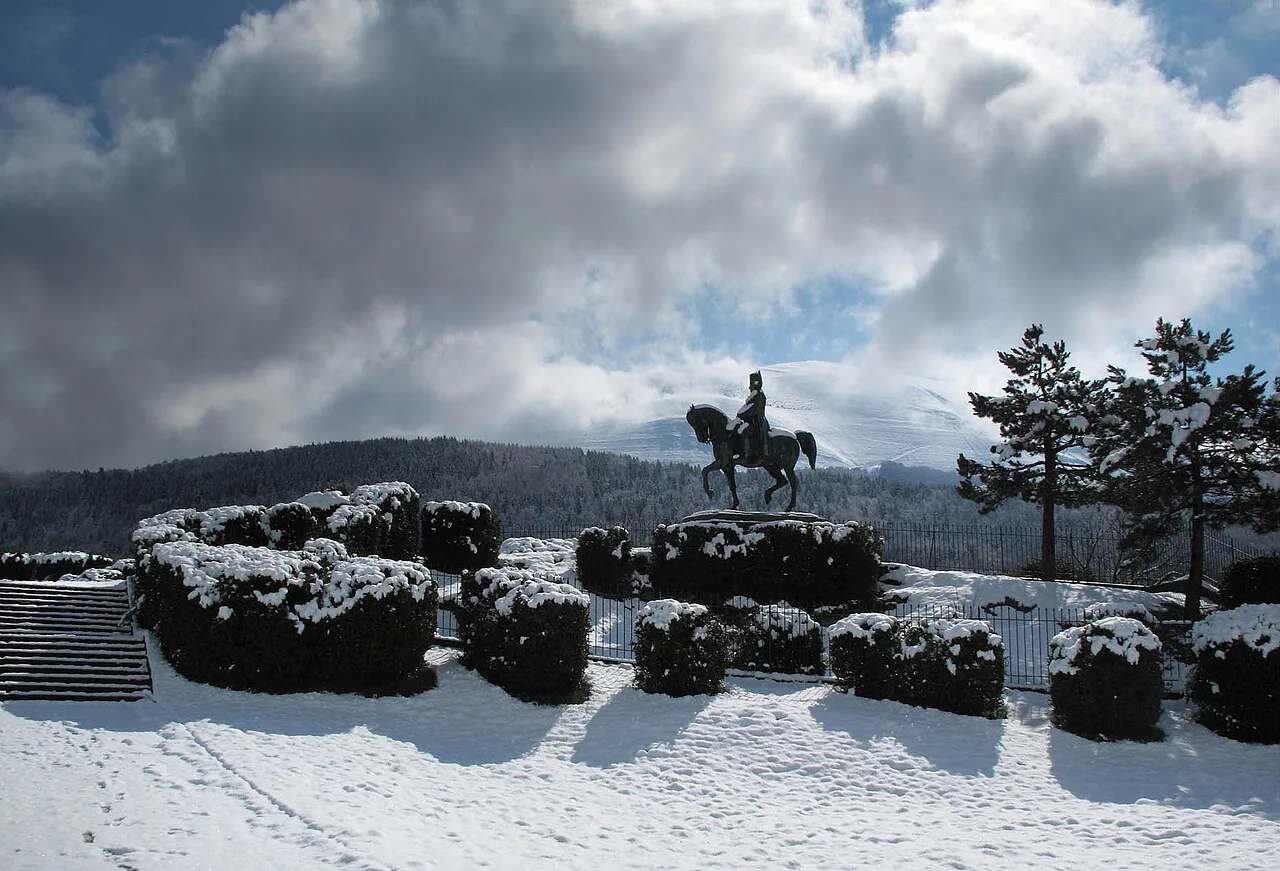
Route Napoléon: Driving Guide, Stops and Itineraries
Route Napoléon runs from Golfe-Juan to Grenoble via Grasse, Castellane, Digne and Sisteron. See the best stops, 1-3 day plans and road tips.
On this page
Last updated November 2026. The Route Napoléon follows the N85 from Golfe-Juan, near Cannes, through Grasse, Castellane, Digne-les-Bains, Sisteron and Gap to Grenoble. It traces Napoléon's 1815 return from Elba, and you can drive it as one long scenic day or as a two-night stay-over route. Below you will find the best stops, three itinerary lengths, seasonal driving notes and a short walking option.
Featured image: Michiel Hendryckx, CC BY 3.0, via Wikimedia Commons.
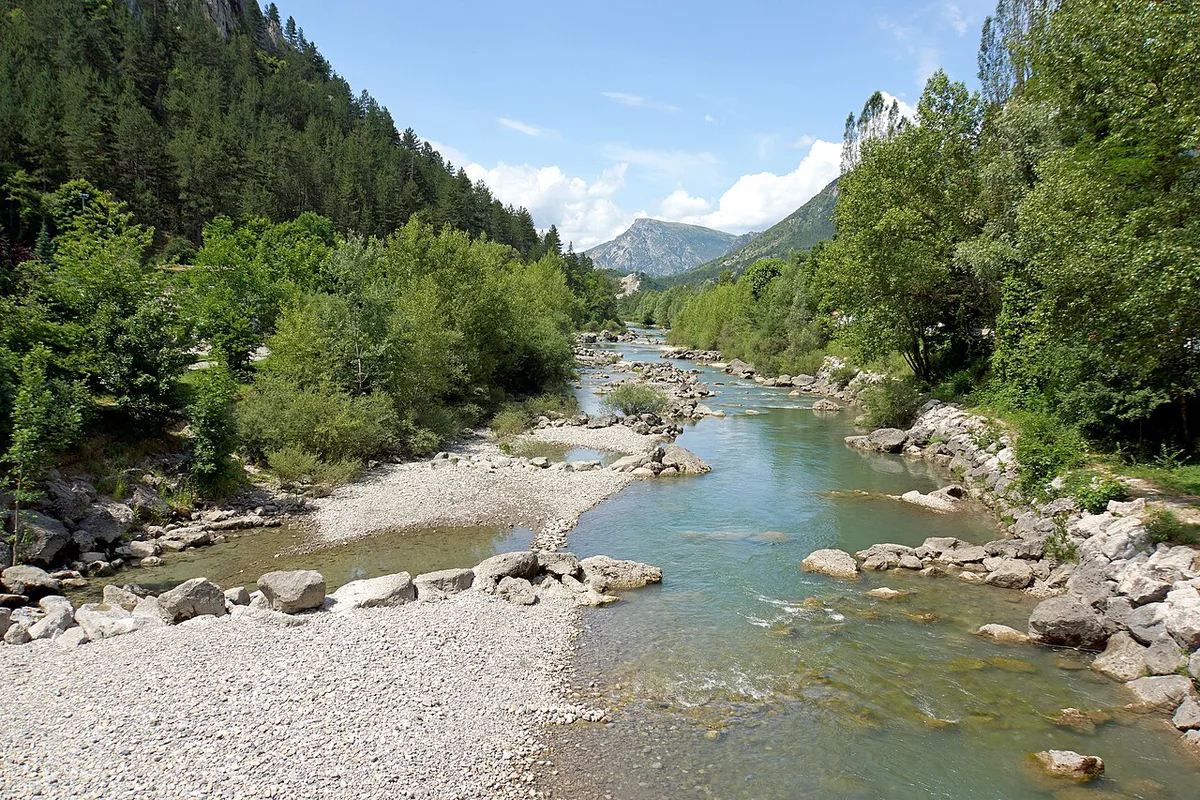
Route Napoléon at a Glance
Napoléon slipped away from Elba in 1815 with about 1,100 soldiers and landed at Golfe-Juan. He avoided royalist Provence by taking an Alpine road north. Grenoble was the goal, and Paris followed: he entered the capital on 20 March, which began the Hundred Days that ended at Waterloo in June. The modern road is the N85, and the official Route Napoléon site describes the itinerary. Provence-Alpes-Côte d'Azur tourism also lists the route as a tourist road through Haute-Provence. Start from the coast if you are already on a Riviera road trip, since Golfe-Juan and Grasse sit at the southern end.
- Endpoints: Golfe-Juan to Grenoble on the N85.
- Main towns, south to north: Grasse, Castellane, Digne-les-Bains, Sisteron, Gap.
- Sections: Alpes-Maritimes, Alpes-de-Haute-Provence, then Hautes-Alpes and Isère.
- Best for: drivers who want mountain scenery with real history at each stop.
Best Stops Along the Route Napoléon
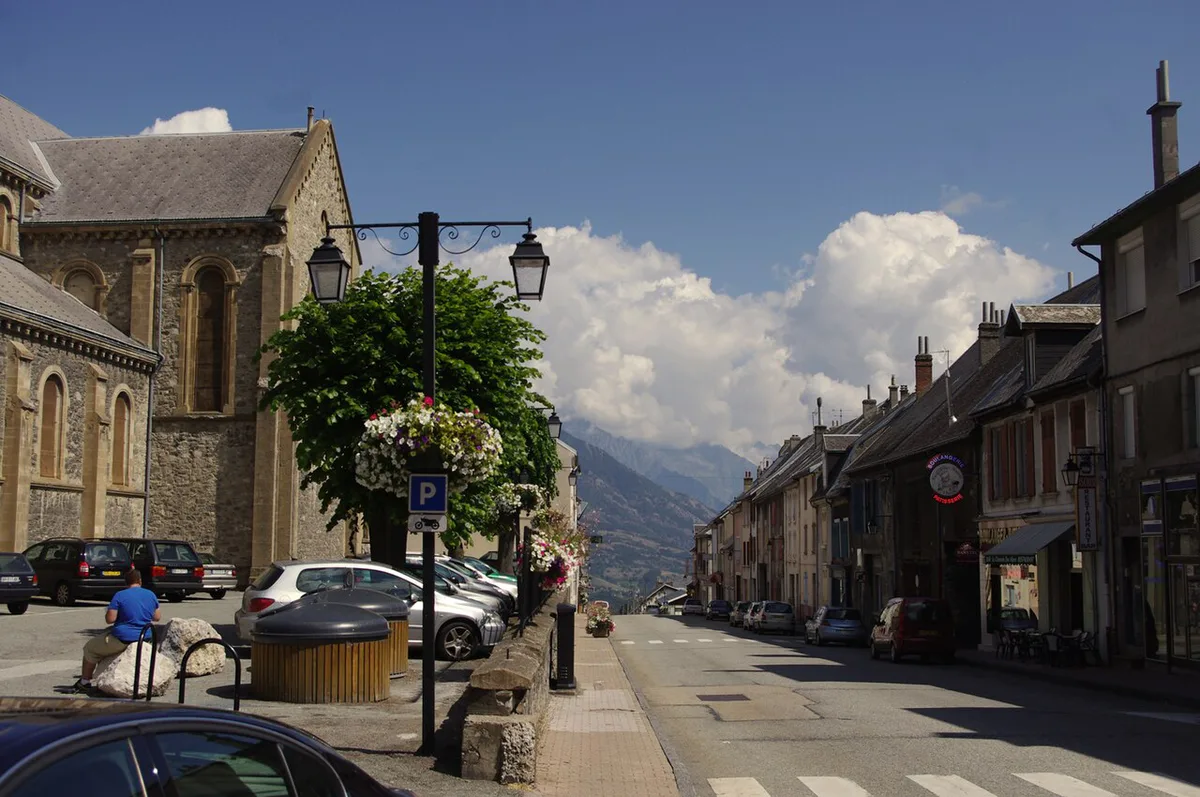
Treat the road as five stop clusters, south to north. Each one suits a different kind of driver. The table below ranks them for people short on time.
Malijai sits on the Mallemoisson to Volonne stage, the same town where Napoléon slept on 4 March 1815.
| Stop | Priority for time-pressed drivers | Reason |
|---|---|---|
| Grasse | Essential | Perfume heritage and the natural first stop after the coast |
| Castellane | Essential | Verdon gateway with a strong village setting |
| Digne-les-Bains | Optional | Thermal town; best if you stay overnight |
| Senez and Barrême | Optional | Short roadside stops in lavender country |
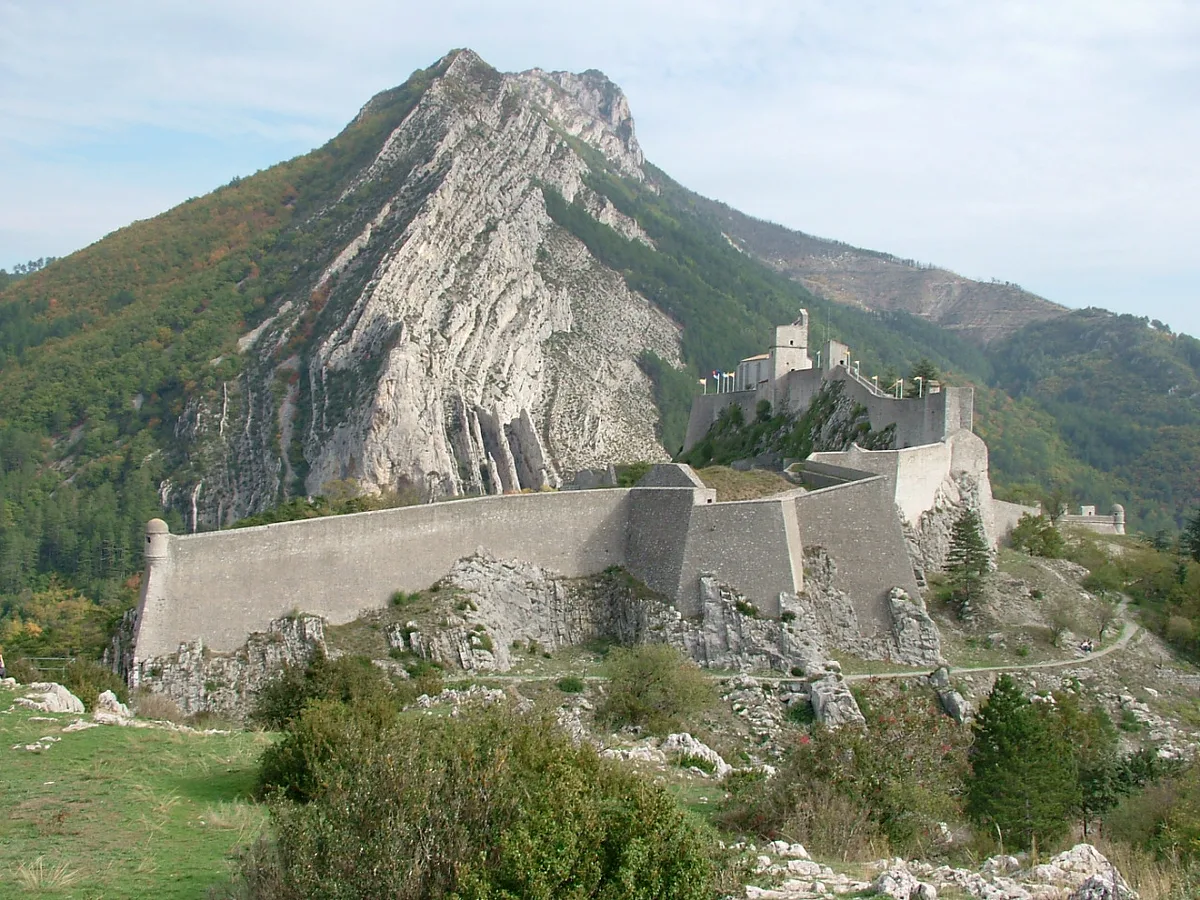
| Sisteron | Essential | Citadel and rock gap at the Haute-Provence exit |
| Escragnolles and Séranon | Skippable | Small villages; worth it only for history fans |
- Grasse and the Alpes-Maritimes: Grasse has been tied to perfume since the 16th century. Saint-Vallier-de-Thiey is the first village north, with Roman history and picnic spots. Escragnolles has caves, and Séranon is where Napoléon spent a night. Stop in Grasse if you like perfume heritage; skip the small villages if you are rushed.
- Castellane and the Verdon gateway: Castellane sits beneath a rocky outcrop and is the usual starting point for the Gorges du Verdon. A torchlight procession runs on 14 August. Stop here if Verdon is on your trip; skip it only if you have already seen the gorges.
- Senez and Barrême: Senez has a 13th-century church. Barrême is a market town in lavender country. Both are quick stops for photos and coffee.
- Digne-les-Bains: This thermal town offers baths and lavender-based treatments. It is the natural overnight base on the middle section.
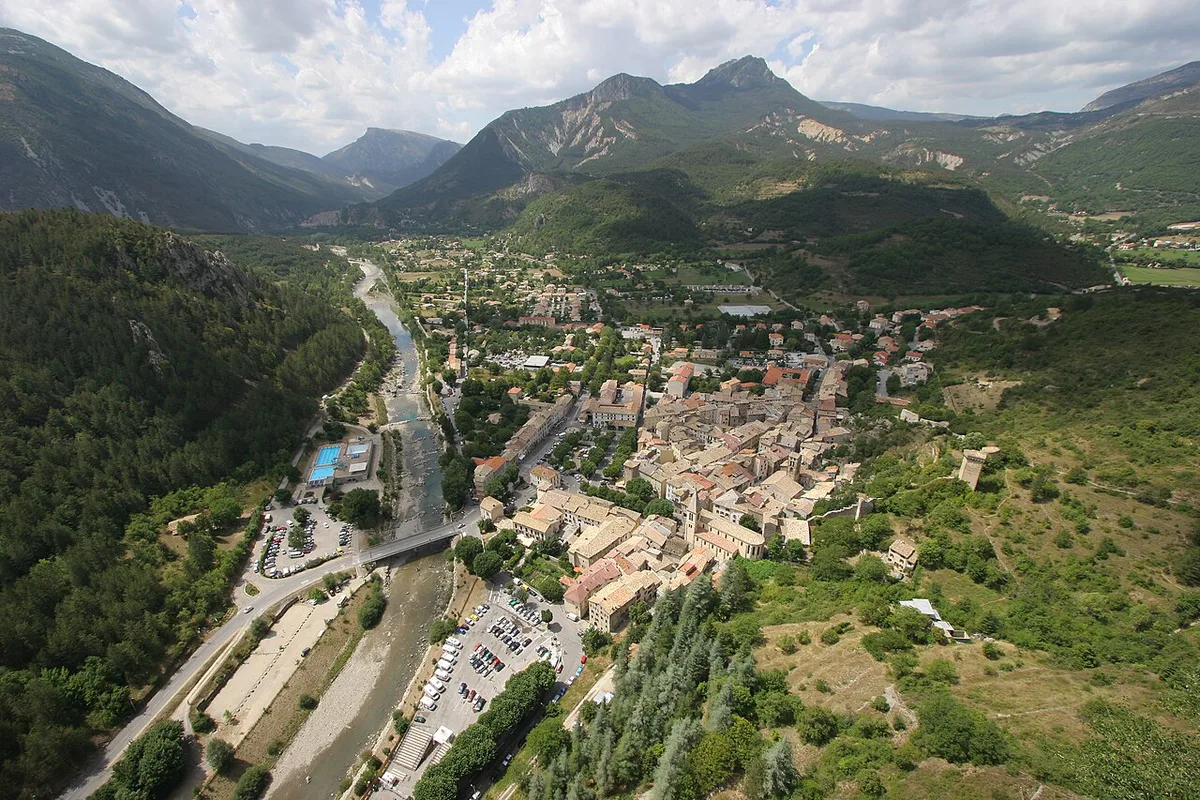
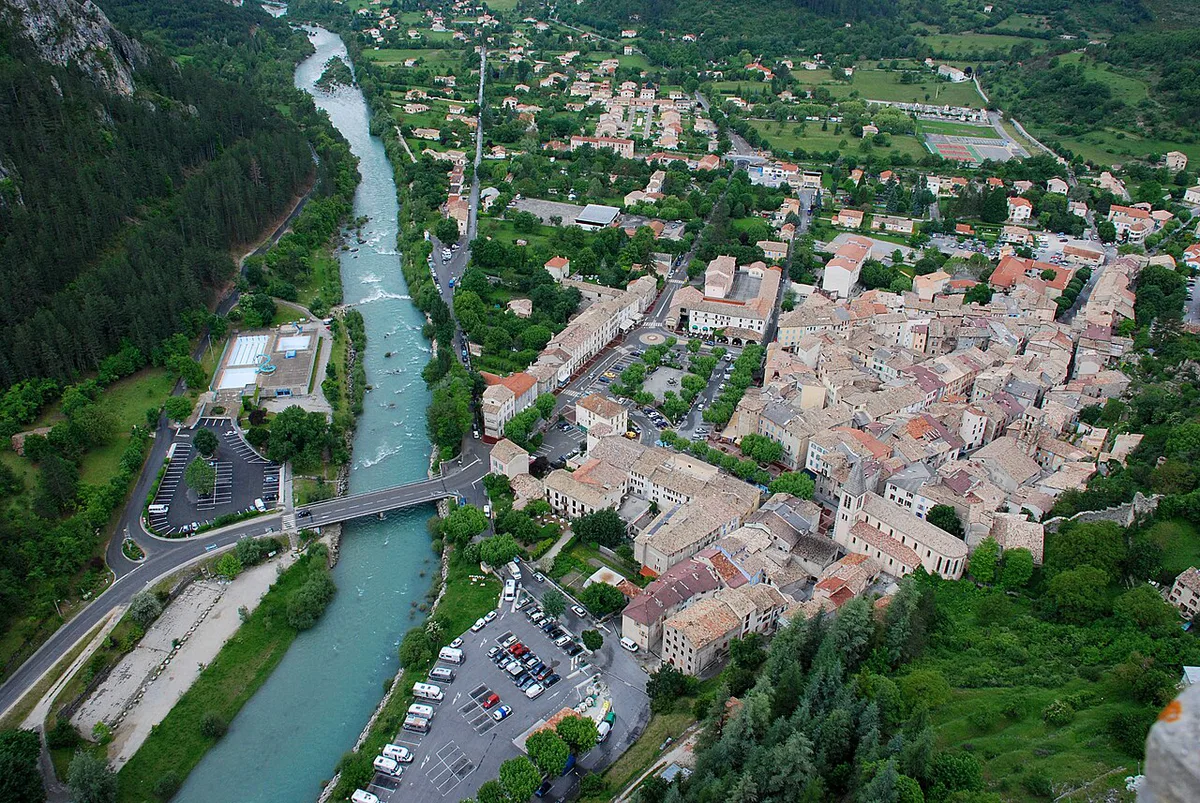
- Malijai, Volonne and Sisteron: Napoléon slept at Malijai on 4 March 1815. Malijai marks the visit with a troop parade in July of every even-numbered year. Sisteron, squeezed between its citadel and the Baume rock, is the strongest finish to the Haute-Provence section.
How Long to Allow: 1-Day, 2-Day and 3-Day Plans
Driving time depends on traffic and how often you stop, so use a mapping app for live estimates. Most drivers overestimate how many villages fit into a day. A single day works if you pick three stops, and two nights lets you add Digne-les-Bains and Verdon. The Hautes-Alpes and Isère section toward Gap and Grenoble suits a third day.
| Plan | Segments covered | Driving versus stopping | Best for |
|---|---|---|---|
| 1 day | Grasse, Castellane, Sisteron | Mostly driving, with three short stops | Riviera visitors with one free day |
| 2 days | Grasse to Sisteron, overnight in Digne-les-Bains | Even split, with time at Castellane and the citadel | Most first-time drivers |
| 3 days | Golfe-Juan to Grenoble via Gap | Relaxed, with an overnight in Digne and one near Gap | Drivers who want the full route |
Driving the Route: Direction, Seasons and Road Conditions
South to north follows Napoléon's own direction and puts the Alps ahead of you. North to south suits you if you finish at the coast and want the sea as the reward. Weigh sun direction, fatigue and where you want to sleep at the end. Mountain passes such as the Col Bayard can see winter snow, so check conditions with the road authority before a cold-season trip. Fuel and EV charging may be sparse in the middle section, so top up in Grasse or Digne-les-Bains. Lavender is a draw around Barrême and Digne in summer, but traffic and heat rise at the same time. For safety rules, see French road safety guidance.
- Mistake to avoid: planning more than three or four villages per day.
- Mistake to avoid: leaving fuel until the mountain section.
- Mistake to avoid: assuming passes are open in winter.
Costs, Tickets and Opening Hours
The road itself is free to drive. Costs come from connecting motorways, parking, Sisteron citadel entry and thermal baths in Digne-les-Bains. Prices and hours were not published in a form we could cite in November 2026, so check each site's official page. The Digne-les-Bains tourist office answers questions on +33 4 92 36 62 62. If you cut through the Riviera first, the Grande Corniche coastal drive makes a free scenic warm-up.
Where to Stay and How to Get Around
Digne-les-Bains is the best midpoint, with services and thermal baths. Castellane gives the closest access to Verdon. Grasse suits an early start from the Riviera, and Sisteron suits a late-day finish at the citadel. Without a car, check regional bus and rail operators, since no direct line from Digne to Nice is confirmed. The Barrême page mentions the Train des Pignes but gives no schedule. Cyclists, motorcyclists and horse riders can also follow the route. If you are building a wider Provence trip, the Provence loop links well with the Castellane and Sisteron stops.
Walking the Route: GR406 in Brief
The GR406 follows the historic path closely but is not the road. Provence Alpes Outdoor lists it at 71.55 km between La Clappe and Sisteron, with 2,076 m of elevation gain. It crosses Haute-Provence on 3, 4 and 5 March 1815 timing. The route is waymarked and split into four stages.
Walkers should plan pace around the 2,076 m of elevation gain, which a driving estimate cannot show.
- La Clappe to Digne: 15 km via Entrages.
- Digne to Mallemoisson: 15 km along the Bléone.
- Mallemoisson to Volonne: 25 km through Mirabeau and Malijai.
- Volonne to Sisteron: 17 km via Salignac and the Durance bridge.
Planning the Bigger Trip
The Route Napoléon fits neatly inside a longer southern France itinerary. Our France road trip guide shows how to combine it with other regions.
Frequently Asked Questions
How did Napoleon return from exile?
Napoléon left Elba in 1815 with about 1,100 soldiers and landed at Golfe-Juan. He took an Alpine road north to avoid royalist Provence. He entered Paris on 20 March, which began the Hundred Days.
How long does it take to drive Route Napoléon?
Driving time varies with traffic and stops, so use a live mapping app. One day covers Grasse, Castellane and Sisteron with short stops. Two days is more relaxed, with an overnight in Digne-les-Bains.
Road-rule changes worth knowing
Optional updates to our guides.
You might also like

Continue reading
More guides you'll find useful