7 Things to Know About Driving in Iceland (2026)
A practical guide to driving in Iceland: how hard it is, road types, rental car and insurance choices, and what changes by season.
On this page
Last updated November 2026: driving in Iceland is generally straightforward on paved routes, and the real variables are season, weather, car type, insurance and how much gravel or F-road you plan to cover. If you have not booked yet, start with our guide to choosing a rental car. Each section below points to a detailed spoke guide, and official road and weather tools are linked where they matter.
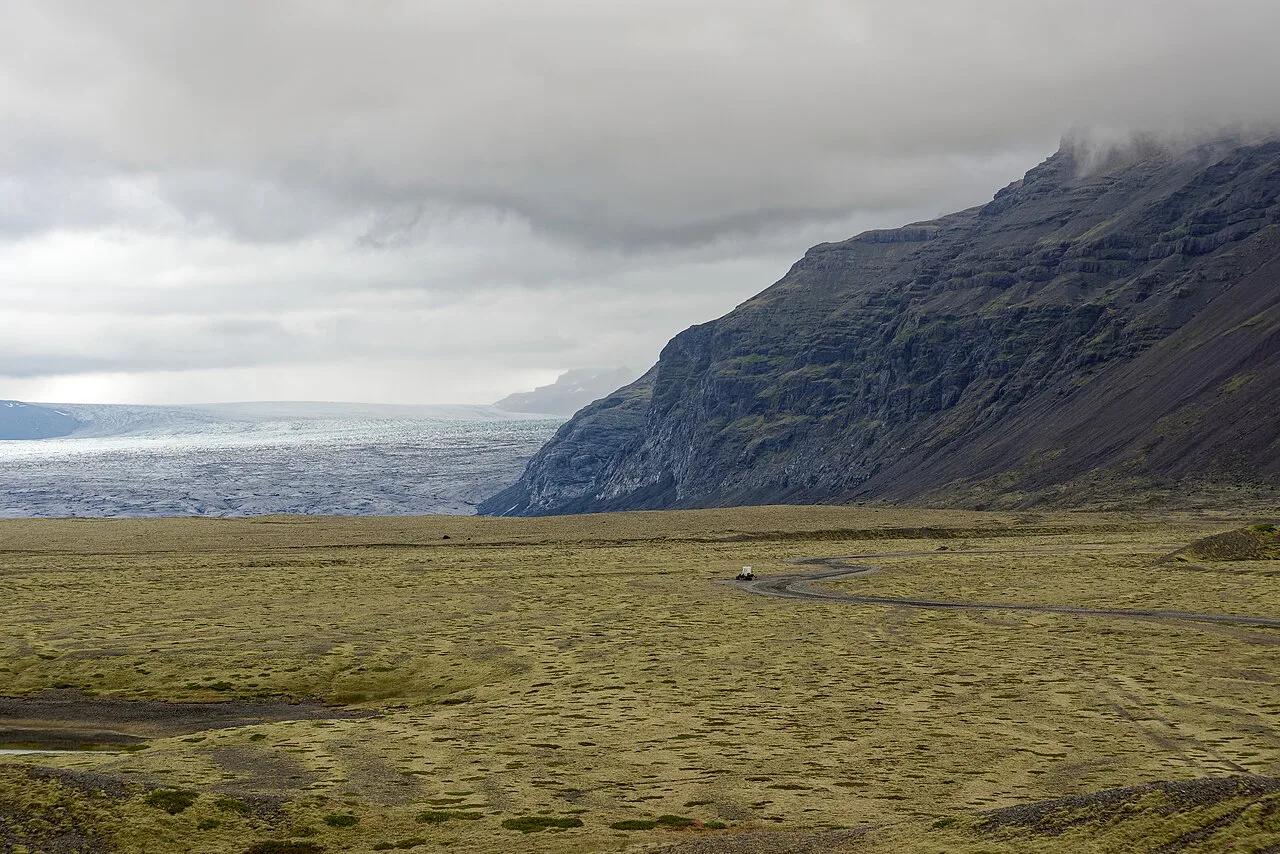
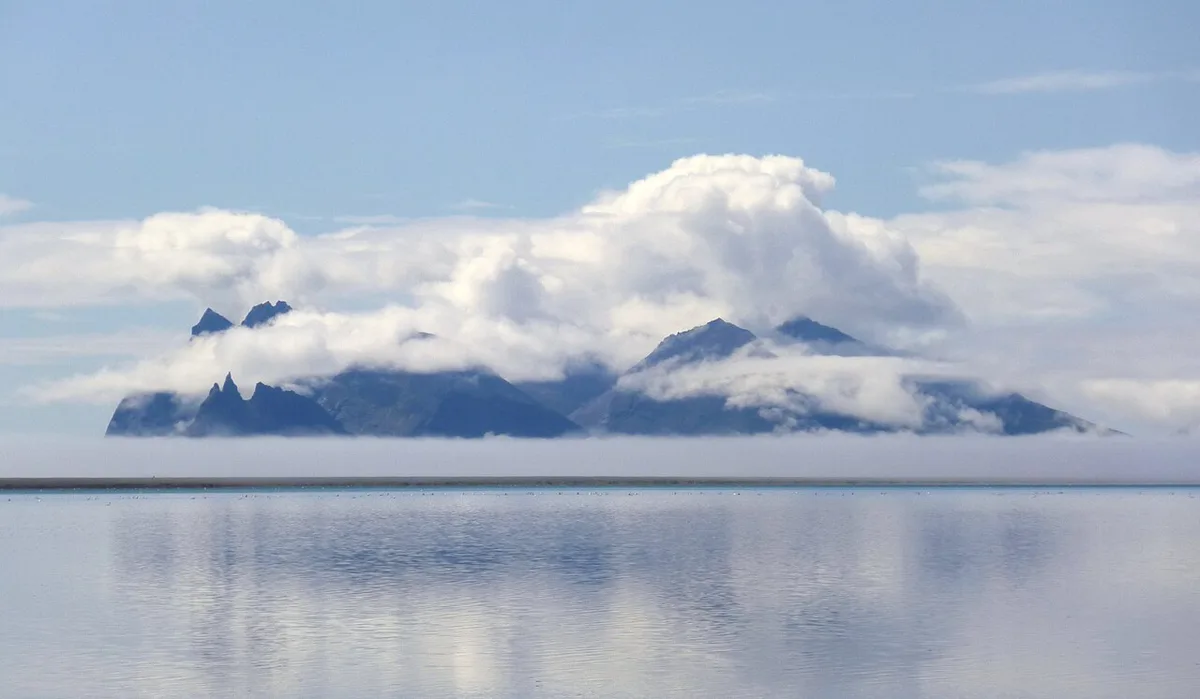
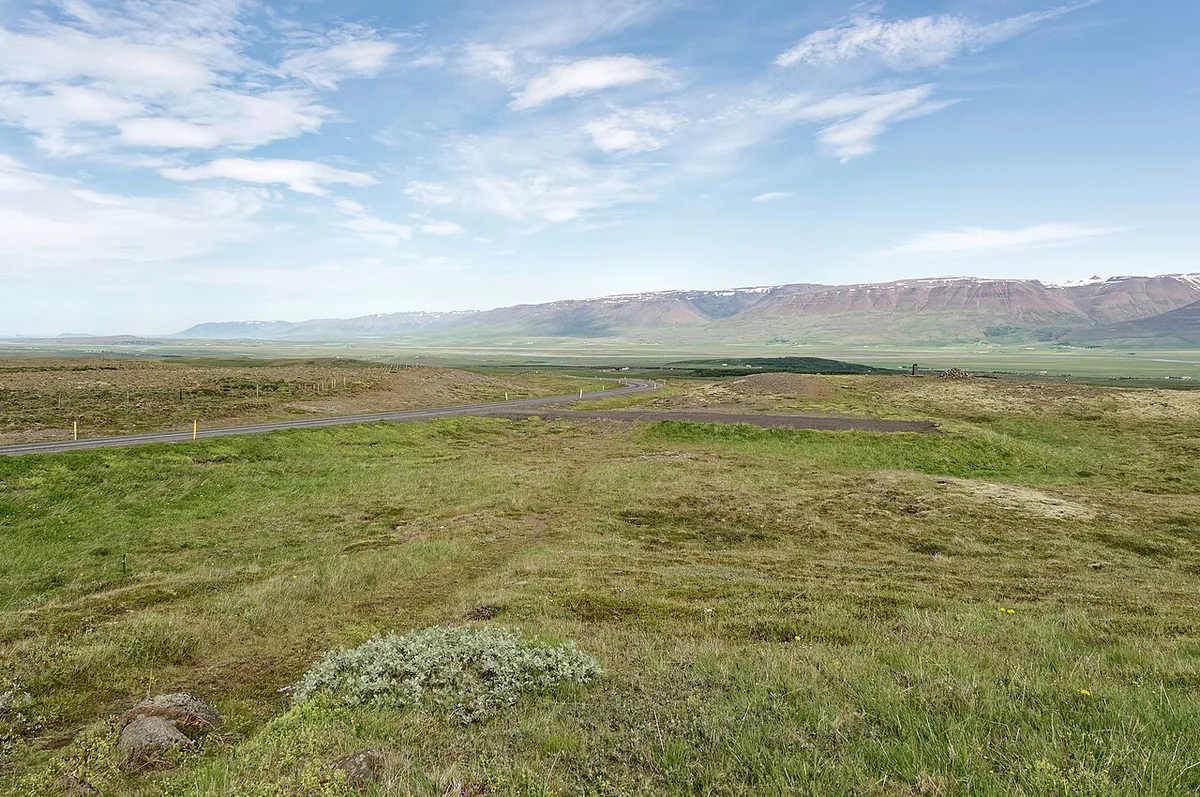
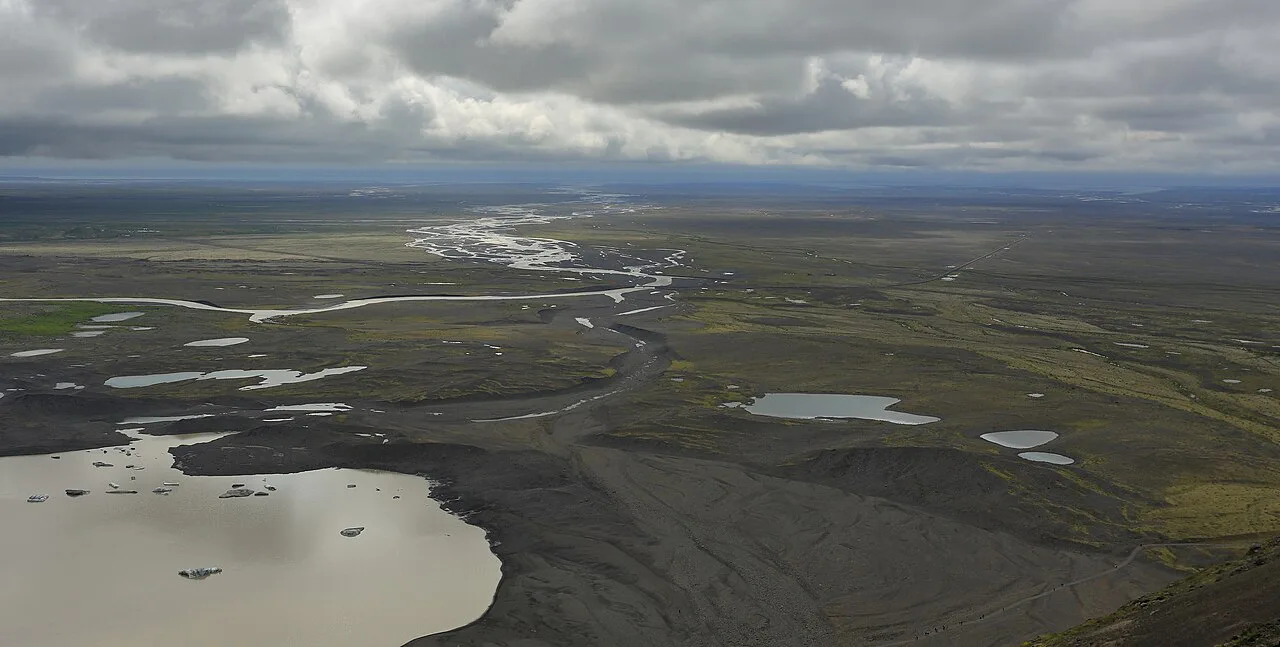
Featured image: Villy Fink Isaksen, CC BY-SA 4.0, via Wikimedia Commons.
Is Driving in Iceland Easy? Quick Answer
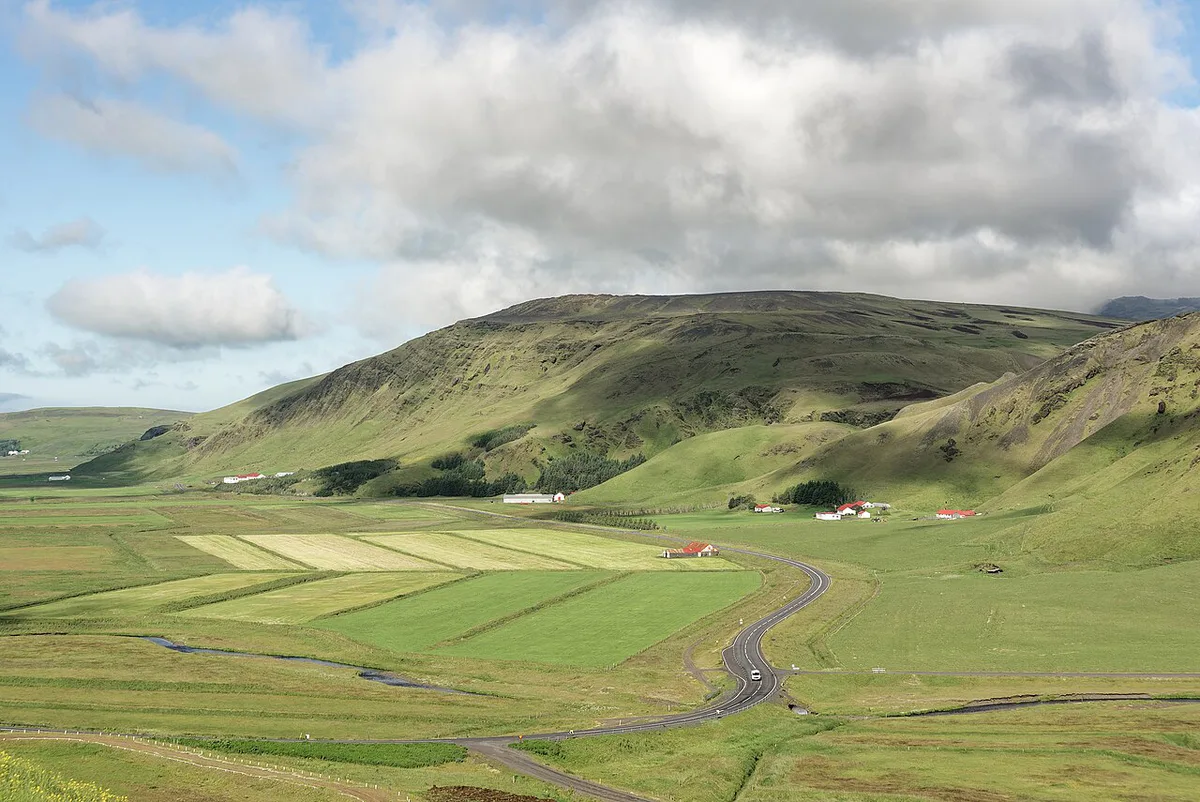
For most visitors, yes. Roads to the main sights are well signed, and traffic outside Reykjavik is light. Route 1, the Ring Road, covers 1,322 km (about 821 miles) and is fully paved, according to Visit Iceland. Winter storms, wind and gravel are what change the picture, so match your plan to the season.
- Traffic drives on the right, and headlights stay on day and night.
- Speed limits are 90 km/h (56 mph) on paved rural roads, 80 km/h (50 mph) on gravel and 50 km/h (31 mph) in towns unless signs say otherwise.
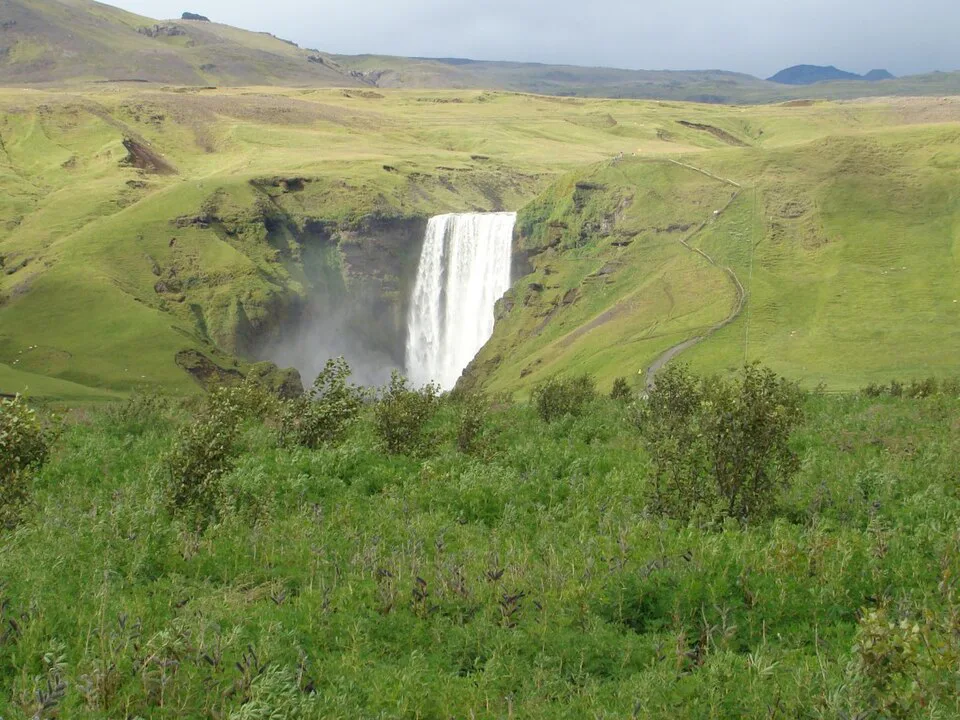
- F-roads are highland tracks that open in summer and require a 4x4.
- Dial 112 for police, medical help or rescue.
- Check the forecast and road status every morning before you set off.
Which Driving Setup Fits Your Trip?
Use this table as a starting point before you compare rental quotes. Insurance terms differ by contract, so read your own agreement against the right-hand column. Build one spare day into any December-to-March itinerary, and decide each morning whether to drive.
Family trips in a wagon should book child seats ahead. Children under 135 cm (4 ft 5 in) need a fitted child seat.
| Trip type | Car class | Insurance to consider | Buffer | Main risk |
|---|---|---|---|---|
| Summer, paved roads only | Small car | Basic collision cover plus gravel protection | Light | Pavement-to-gravel transitions, speed cameras |
| Shoulder season | Small SUV or 4x4 | Gravel, sand and ash protection | One spare day | Fast-changing weather, early snow |
| Winter (December to March) | 4x4 with winter tires | Super CDW plus gravel, sand and ash | One or more spare days | Storm closures, ice, crosswinds |
| Highlands and F-roads | 4x4 required by law | Check exclusions for river crossings | Flexible schedule | River crossings, remote tracks |
| Family or large luggage | Wagon or larger SUV | Super CDW, child seats booked ahead | One spare day | Luggage space, child seat rules |
7 Things to Know About Driving in Iceland Before You Rent
Prices and hours checked November 2026. This list covers paperwork, car choice, road types, rules, weather, fuel and common mistakes, in the order you will meet them.
1. Licenses, age and paperwork
A valid license printed in Latin letters works for visitors from the US, UK, Canada, Australia and the EU. An International Driving Permit is only needed if your license uses another script, such as Arabic, Chinese, Cyrillic or Japanese. Most rental companies also expect you to have held your license for at least one year.
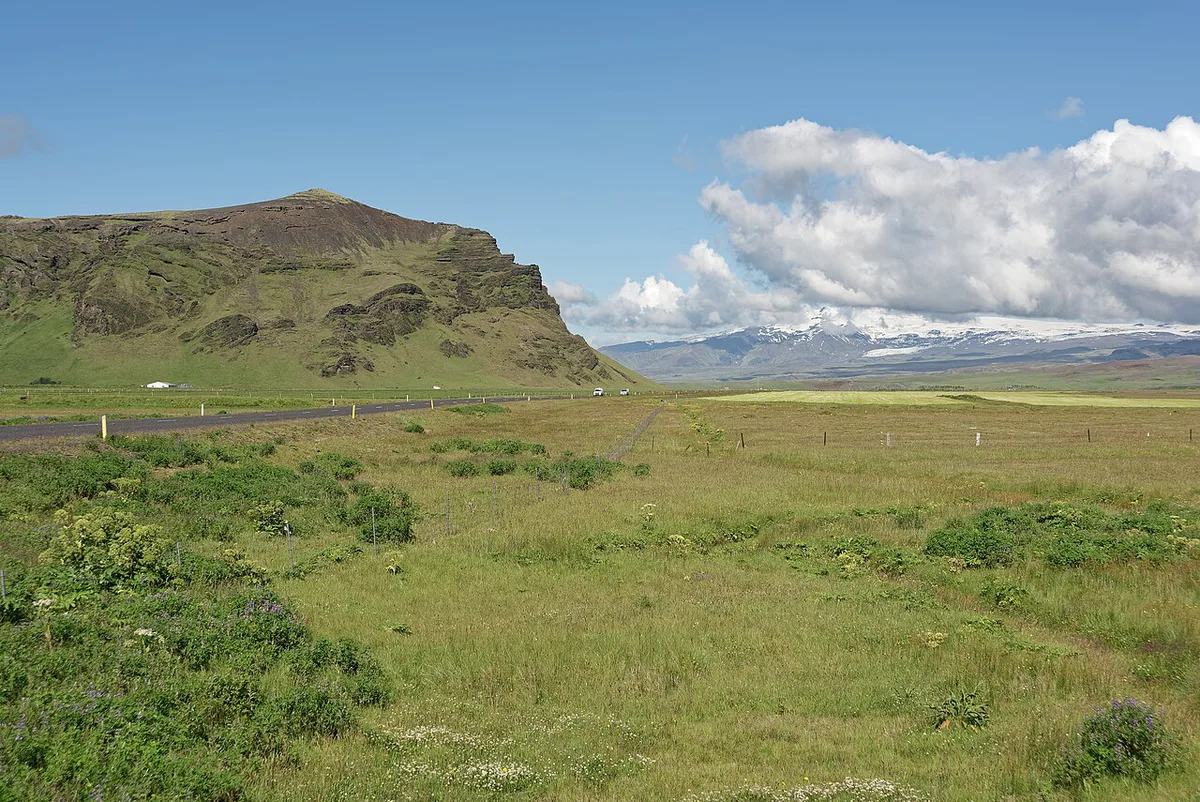
Minimum rental ages differ by company, and some rent only from 20, 21 or 25. Our guide to US license rules covers the paperwork in detail. Skip the permit shopping if your license is already in Roman script.
2. Pick the right car and insurance
Small cars handle Reykjavik, the Golden Circle and the South Coast in summer. Choose a 4x4 for winter, for Snaefellsnes between November and March, and for any F-road. Basic collision cover leaves an excess, so many drivers add gravel protection, sand and ash protection or Super CDW.
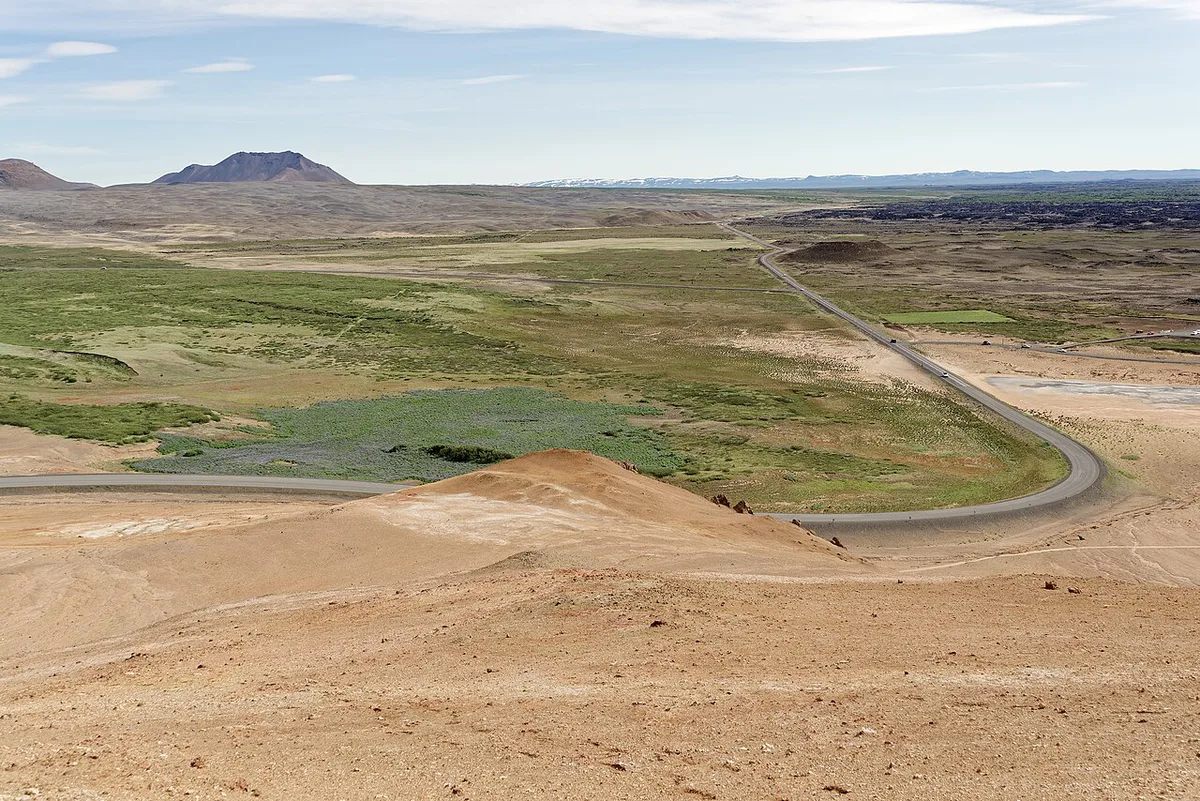
River-crossing water damage, undercarriage and tires, and F-road breaches are commonly excluded, so read your contract and check any credit-card CDW before buying extras. Keflavik to Reykjavik is roughly a 45-minute drive, so compare Keflavik airport pick-up with Reykjavik rental desks. Wind exposes tall vehicles, so read about campervan trips before booking one.
3. Paved, gravel and F-roads are different worlds
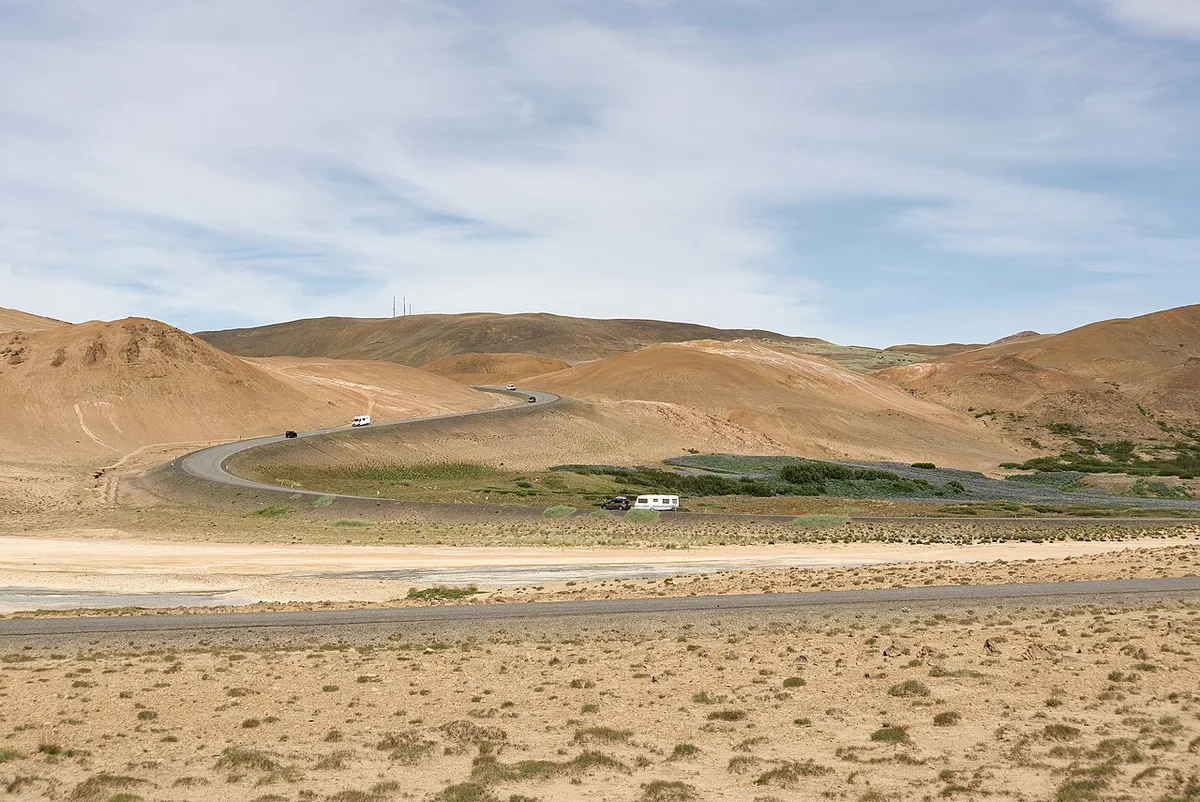
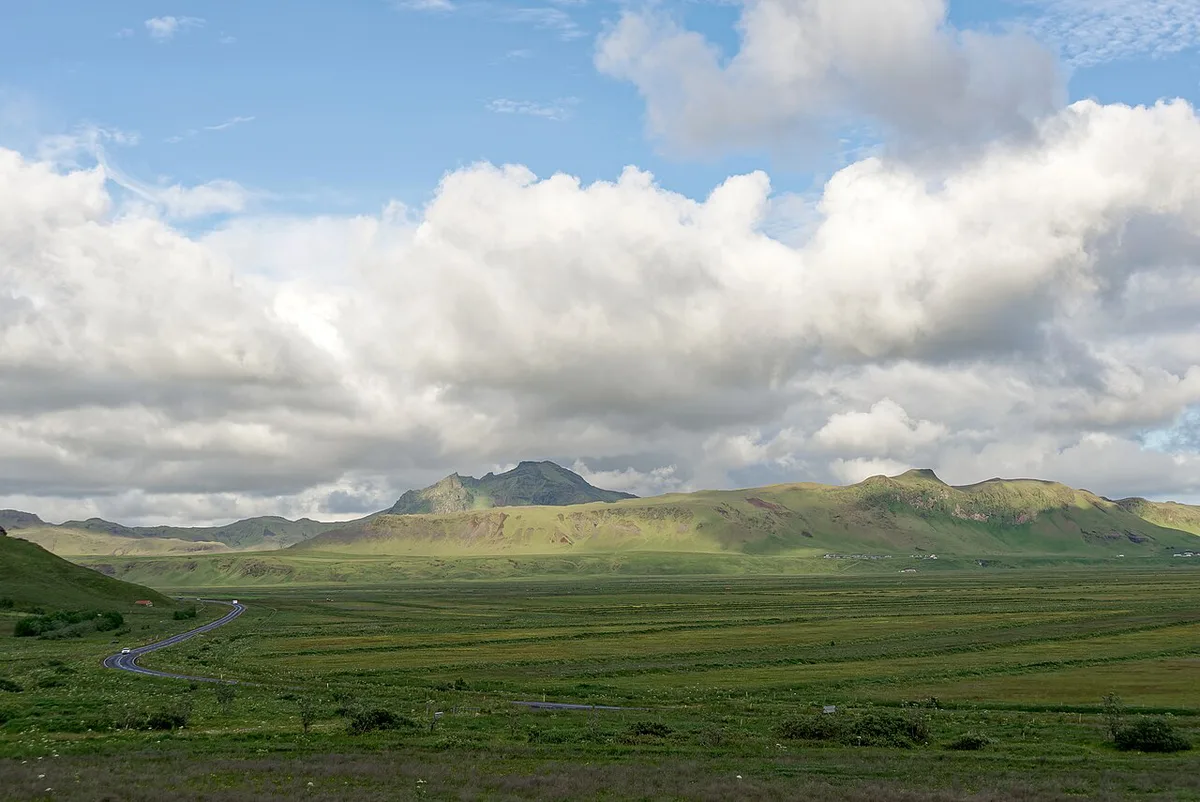
Iceland has three road types: paved roads, gravel roads and F-roads. Route 1 runs 1,322 km (about 821 miles), is paved and stays open year-round, though winter weather causes temporary local closures. Many accidents happen where pavement turns to gravel, so slow down before the surface changes. Gravel roads suit a normal car, with an 80 km/h (50 mph) limit.
F-roads usually open from June or early July into September, and by law they need a 4x4. Read our highland F-road rules before planning one. Skip F-roads if you have no experience with river crossings.
4. Rules and quirks that surprise visitors
Traffic keeps right, so UK drivers need a short adjustment period. Every passenger wears a seat belt, and handheld phones are banned. Right turn on red is not allowed, and stop signs are rare. Roundabouts are common, and in two-lane roundabouts the inner lane has priority. One-lane bridges are signed Einbreið brú, and the car nearest the bridge goes first.
Children under 135 cm (4 ft 5 in) need a fitted child seat, and the blood alcohol limit is 0.02%. Speed cameras send fines to your rental company, which charges your card. Read the full list of road rules for the rest. Our speed limit details cover signs and enforcement.
5. Weather decides winter plans
Weather changes fast, so read the forecast from the Icelandic Met Office every morning. Strong wind matters most for high vehicles such as campers. Road closures and conditions appear on the official road status site. Safetravel adds warnings, webcams and travel plan registration.
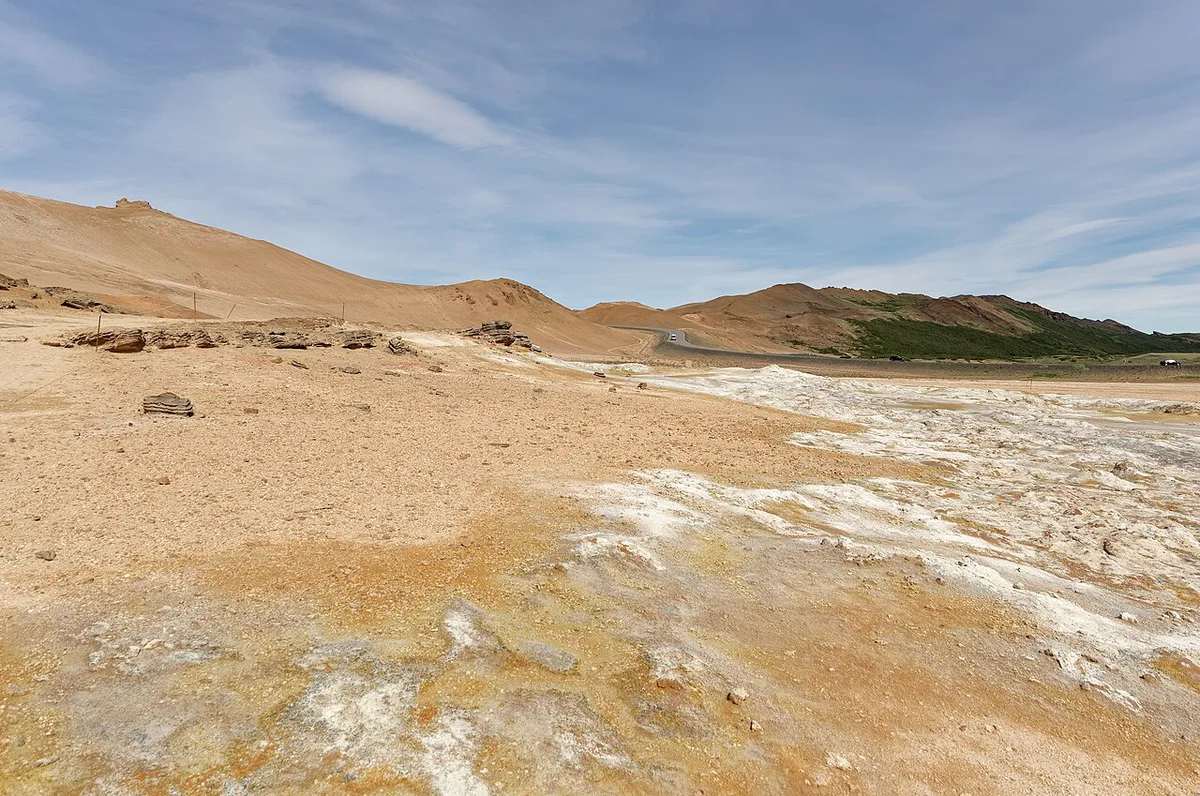
In winter, pair a 4x4 and winter tires with slack in the schedule. Pick a fallback base town, and decide in the morning whether a long leg is worth it. Live detail lives in our live road conditions guide.
6. Fuel, charging, parking and tolls
Automated self-service stations operate in all towns and along major highways. Payment is usually by card with a PIN, so bring a card that has one. Pumps often work on prepayment, so pick a limit or a full tank. Read the label on the pump before filling, because petrol and diesel are not interchangeable. Distances between stations grow in rural areas, so note your next one before leaving.
Our fuel station basics cover cards and EV charging. Central Reykjavik charges for parking, and Reykjavik parking zones explains how to pay. Toll roads such as the Vadlaheidi Tunnel near Akureyri use cameras rather than booths. See toll payment steps for how to settle up.
7. Mistakes worth avoiding
Never stop on the road for photos. Use a marked pull-out, because shoulders can be soft. Slow down before pavement becomes gravel, and avoid braking hard on loose stone. Lambs and sheep roam freely from spring through summer, and they are unpredictable when cars approach. Stay on marked roads, since off-road driving is illegal and scars fragile vegetation.
After a long overnight flight, rest before you drive. Many hotels near Keflavik offer cheap Nap & Go rates for exactly that purpose. Skip this step only if you slept on the plane.
Route Planning: Day Trips vs the Ring Road
Day trips from Reykjavik keep you close to fuel, hotels and a fallback bed. A full Ring Road loop covers 1,322 km, so long legs need daylight and slack in winter. Rate each day by road type and season, using this table.
Keflavik to Reykjavik is roughly a 45-minute drive. After an overnight flight, rest before you drive.
| Route | Road type | Seasonal access | Main hazard |
|---|---|---|---|
| Reykjavik and towns | Paved, low limits | Year-round | Pedestrians, one-way streets, bus lanes, paid parking |
| Golden Circle | Paved (Routes 36, 365, 37, 35) | Maintained year-round | Winter ice and crosswinds |
| South Coast (Ring Road) | Paved | Year-round | Heavy rain, wind, sand and ash |
| Snaefellsnes | Paved main loop (Routes 54, 574) | Open year-round, snowy passes in winter | 4x4 recommended November to March |
| Westfjords | Many gravel, some single-lane | Most visits June to September | Steep passes with few barriers |
| Highlands | F-roads | Summer only | River crossings, remote tracks |
Pre-Drive Checklist and Emergencies
Run these checks each morning, since conditions can change overnight. Dial 112 for police, medical help or rescue. Call 1777 for road information in English.
- Forecast: read wind speed and warnings from the Icelandic Met Office.
- Road status: look for closures, ice and gravel on road.is and safetravel.is.
- Fuel or charge: note your next station before you leave.
- Travel plan: register one on Safetravel for any remote route.
- Seat belts: every passenger buckled, children in correct seats.
Frequently Asked Questions
Is it hard for Americans to drive in Iceland?
Rarely on paved roads. Americans already drive on the right, so the adjustments are roundabouts, one-lane bridges, no right turn on red and speeds in kilometers per hour. Winter weather, wind and gravel are the harder parts.
Is it a good idea to rent a car in Iceland?
Yes, if you want to reach sights on your own schedule, especially in summer. A tight winter itinerary or a plan built around the Highlands may suit guided tours better.
Explore More Guides
Keep planning your trip with these guides.
Guides
- Renting a Car in Iceland: Requirements, Insurance & 4x4
- Car Hire Reykjavik: Pickup, Parking & Do You Need One?
- Car Hire at Keflavik Airport
- Iceland F-Roads
- Iceland Gas Stations: How to Fuel Up, Pay and Avoid Running Dry
- Iceland Road Conditions: How to Check Them and When Not to Drive
- Speed Limits in Iceland: Roads, Fines & Cameras
- Parking in Iceland: Fees, Apps and Fines
- Driving in Iceland With a US License
- Toll Roads in Iceland: Do You Pay, Where, and How
- Campervan Iceland: Types, Rules, Costs & Where to Sleep
- Driving Rules in Iceland: What Visitors Must Know
Road-rule changes worth knowing
Optional updates to our guides.
You might also like
Continue reading
More guides you'll find useful