Campervan Iceland: Types, Rules, Costs & Where to Sleep
Planning a campervan trip in Iceland? Compare vehicle types, F-road limits, insurance, where you can sleep, and when a rental car is the smarter choice.
On this page
Last updated November 2026: a campervan Iceland trip suits couples, friends and families who want to change base every day without rebooking beds. We'd steer first-time winter drivers and Reykjavik-only visitors toward a rental car and hotels instead. Two limits shape every plan: F-roads legally need a 4x4, and you may only sleep where the rules allow, so read our full Iceland driving guide alongside this one.
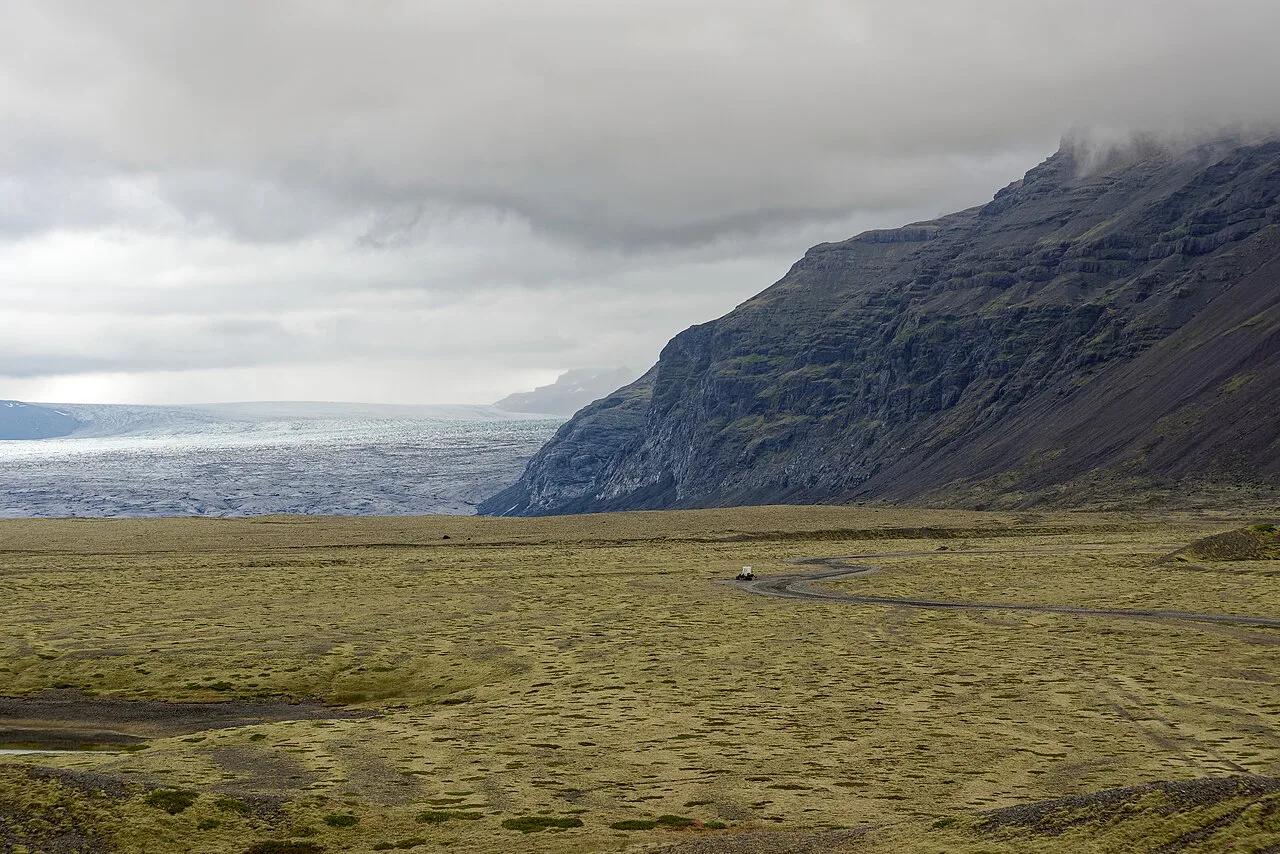
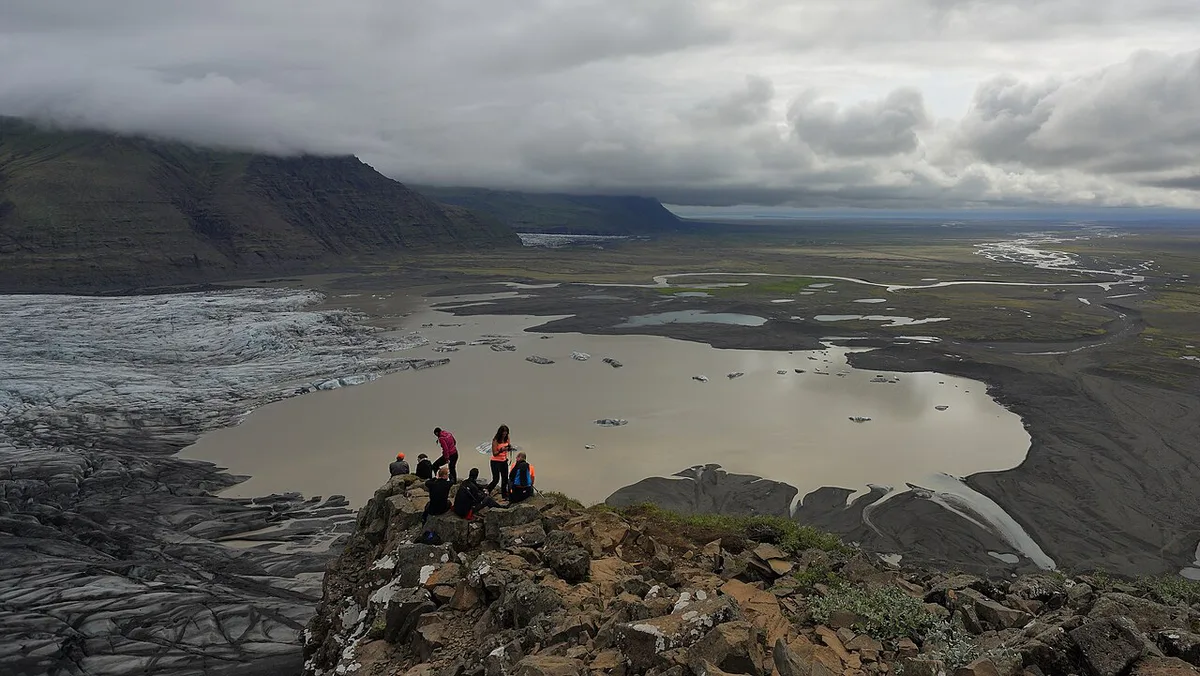
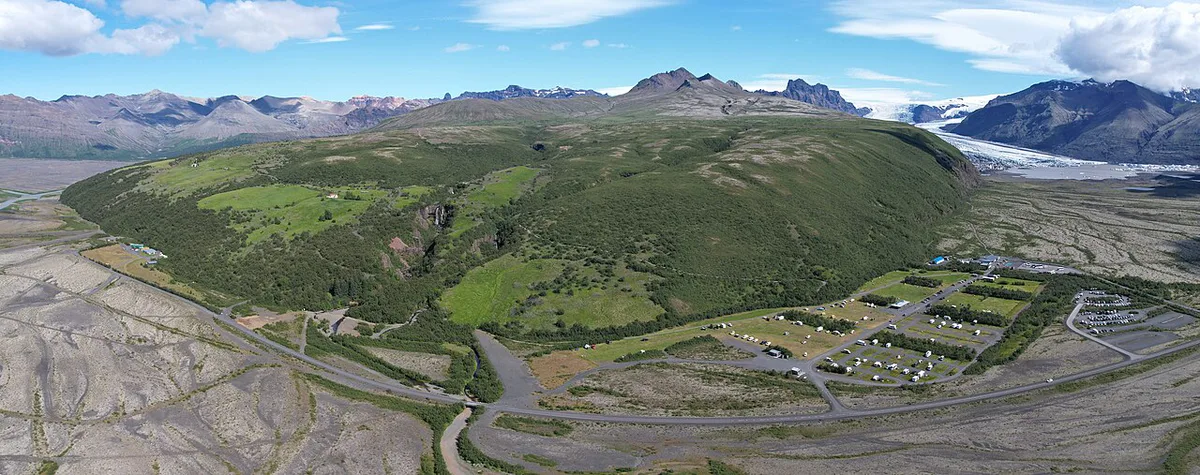
Featured image: Martin Falbisoner, CC BY-SA 4.0, via Wikimedia Commons.
Is a campervan right for Iceland?
A campervan works when you want flexibility and plan to cover several regions. It gives you a bed, a stove and storage in one vehicle, so you skip check-in times and restaurant bills. It does not give you freedom to park anywhere overnight. Sleeping spots are limited, and weather can shut a day's route.
- Good fit: couples, small groups and families doing the Ring Road or the South Coast in summer.
- Good fit: travelers who value self-catering and early starts at waterfalls and trailheads.
- Skip it: anyone landing in deep winter with little snow-driving experience.
- Skip it: short city breaks centred on Reykjavik, where a small hire car is simpler.
Which campervan type to rent
Vehicle class decides where you can legally drive. Rental companies list small campervans that sleep 2–5, 4x4 campers for 3–4, motorhomes for 2–6 and rooftop-tent vehicles for 2. Their starting rates differ widely between categories, so compare current rates for your dates rather than relying on a headline "from" price. Our rule is simple: choose a front-wheel-drive camper for paved routes, and pay for a 4x4 only if the highlands are the point of the trip.
| Type | Who it suits | F-roads | Season fit | Main trade-off |
|---|---|---|---|---|
| Small FWD campervan | Couples, solo travelers, Golden Circle and Ring Road | No | Late spring to early autumn | Cannot enter the highlands |
| 4x4 camper | Groups wanting F-road access | Yes, when the road is open | Summer for highlands; capable in shoulder season | Higher rental and fuel cost; check river-crossing terms |
| Motorhome | Families wanting a kitchen and space | No, unless it is a 4x4 model | Summer; heated models help in winter | Wide body catches wind and is harder to park |
| Rooftop-tent 4x4 | Drivers who want an SUV by day and a tent at night | Yes, when the road is open | Summer only in practice | Cold, exposed nights; pitching in wind is hard |
What to know before you book
Start with insurance, because it varies most between companies. Typical options are collision damage waiver, a super version of it, theft protection, gravel protection, and sand and ash protection. Gravel and sand cover matter on the South Coast, where wind blows grit at paint and glass. Manual vans usually have the widest choice, while automatics sell out first in peak season. Check licence and age rules in our guide to driving with a US license. Rental basics, including deposits and fuel policy, are covered in our Iceland car rental guide.
Where you can park and sleep
Sleeping in a campervan is legal at designated campsites. Wild camping with a vehicle is heavily restricted, and tents follow separate, looser rules. The Environment Agency of Iceland publishes the current rules on camping, protected areas and off-road driving. Parking in a lay-by overnight is not a safe assumption. Fines and landowner complaints are real risks. Our guide to Parking in Iceland: Fees, Apps and Fines covers day-time stops and city rules. Book popular campsites early in July and August, and plan each evening's stop before you drive.
Costs and time trade-offs
Budget five categories: daily rental, fuel, campsite fees, insurance add-ons, and tolls. Compare that total with a small rental car plus guesthouses. Campervans usually win for three or four people sharing one vehicle, and for longer trips. They lose for solo travelers in winter, when you may need a heated, larger vehicle. Pick-up and drop-off fees and one-way options can change the sum, so ask for them in writing. Plan fuel stops with our Iceland gas station guide, because remote stretches have long gaps. Check the one major paid crossing in our toll roads overview.
Small campervans sleep 2–5, so a group of three or four is where the cost math tends to favor one van.
- Golden Circle and South Coast only: a few days is workable.
- Full Ring Road: allow more than a week to avoid driving all day.
- Highlands by 4x4: add flexible days, because road openings change.
Driving a campervan: rules and road realities
Campervans handle like tall vans. Wind can pull a door from your hand and push you across a lane. Park facing into the wind and open doors slowly. F-roads are mountain tracks with unbridged rivers, and the Icelandic Road and Coastal Administration reports which ones are open. Most highland tracks are seasonal. River crossings are often excluded from insurance, so read your contract first. Learn limits in our speed limit guide, and F-road rules in our F-road explainer. Check daily closures on Iceland Road Conditions: How to Check Them and When Not to Drive. General rules sit in our driving rules overview. For storms and safety alerts, use Safetravel Iceland.
Pick-up logistics after a red-eye flight
Our pick for a first night is a short drive and an early bed. Collect the camper at the airport via our Keflavik airport pick-up guide, or at a depot using our Reykjavik car hire guide. Buy groceries and fill the tank before leaving the capital area.
Mistakes to avoid
These errors cause most campervan problems. Each one is easy to prevent before you book.
- Renting a front-wheel-drive camper for an F-road plan.
- Underestimating gaps between fuel stops in remote regions.
- Ignoring wind when opening doors or choosing a parking spot.
- Skipping gravel and sand and ash cover on the South Coast.
- Assuming you can park or sleep anywhere.
Campervan or rental car? Decision summary
Choose a campervan if you are traveling in summer with two or more people, want to cover several regions, and have booked campsites. Choose a rental car plus accommodation if you are traveling alone, going in winter, or staying near Reykjavik. Choose a 4x4 camper only if F-roads are the goal. Whichever you choose, start with the pillar guide to 7 Things to Know About Driving in Iceland (2026).
Frequently Asked Questions
How much does it cost to rent a campervan for 3 days?
Rates change by vehicle class, season and insurance choices, so no single figure fits. Small campervans cost far less than 4x4 campers or motorhomes. Get a quote with insurance, pick-up fees and fuel policy included.
Which month is the best month to go to Iceland?
For a campervan, summer gives the longest daylight and the best chance of open highland roads. Shoulder months are cheaper but bring shorter days and closures. Winter suits experienced winter drivers only.
Road-rule changes worth knowing
Optional updates to our guides.
You might also like
Continue reading
More guides you'll find useful