Iceland F-Roads: Rules, Vehicles and Who Should Skip
Plain-English guide to Iceland F-roads: which vehicles are allowed, when they open, river crossing risks, insurance gaps and who should skip them.
On this page
Last updated November 2026: Iceland F-roads are unpaved mountain tracks across the Highlands, and they are meant for 4x4 vehicles only. Most are passable in summer only, and opening dates change from year to year. This guide covers vehicle rules, river crossings, insurance gaps and a straight answer on whether you need one at all, as a spoke of our Iceland driving guide.
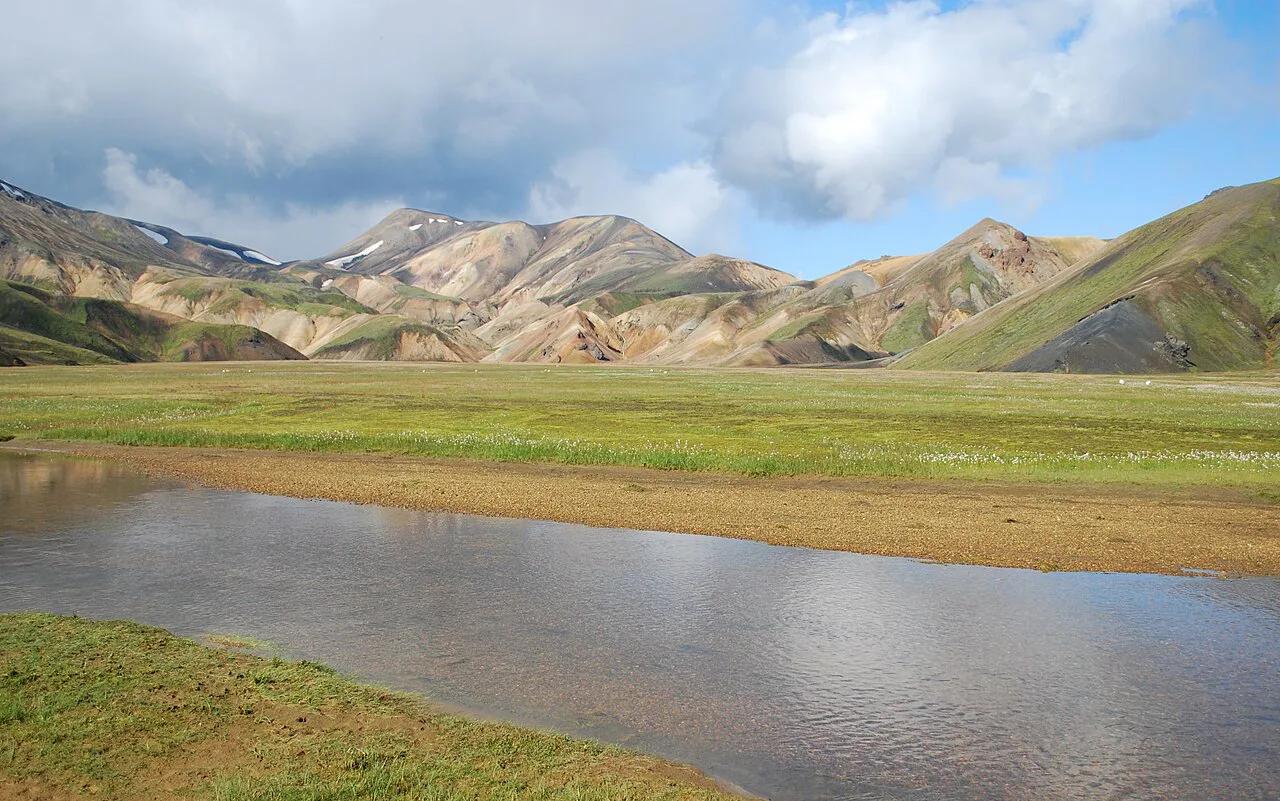
Featured image: Chmee2/Valtameri, CC BY 3.0, via Wikimedia Commons.
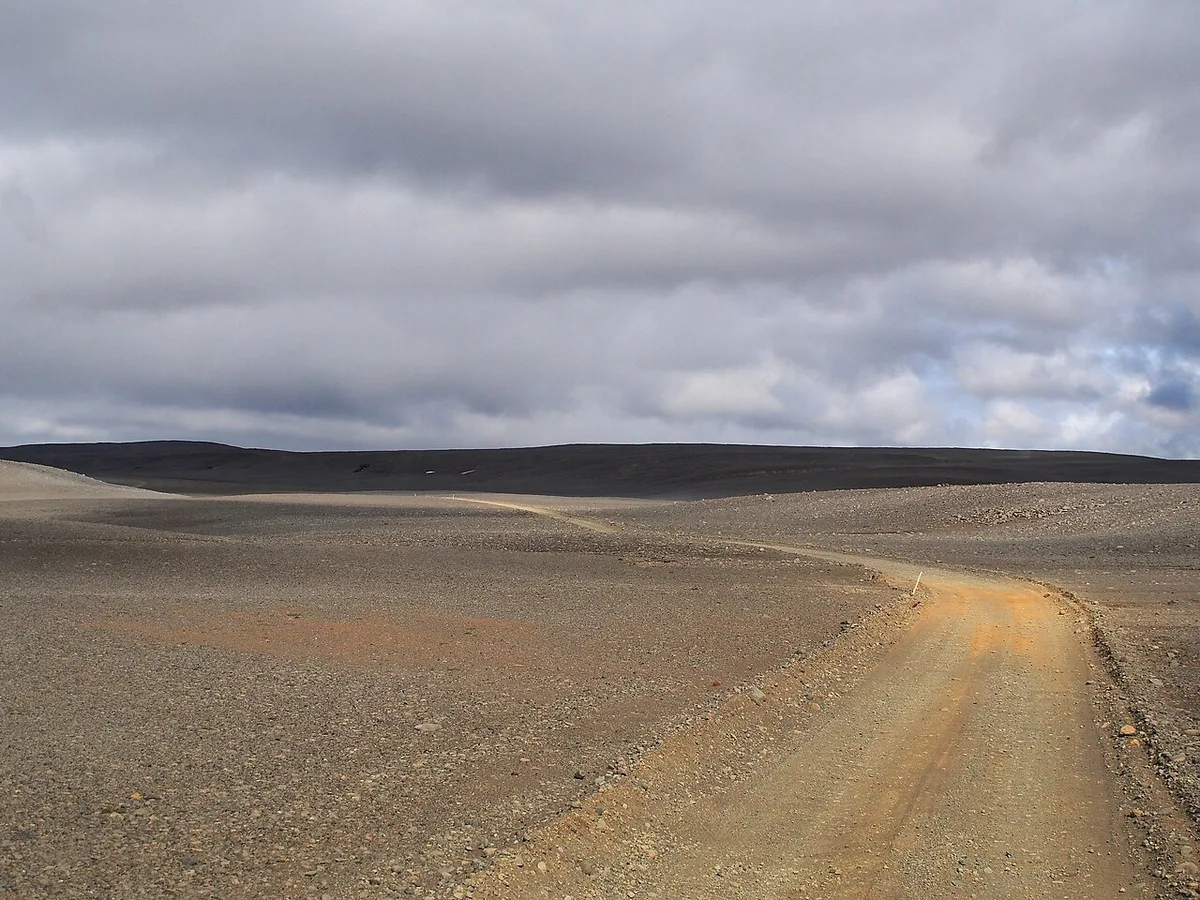
What Are Iceland F-Roads? The Short Answer
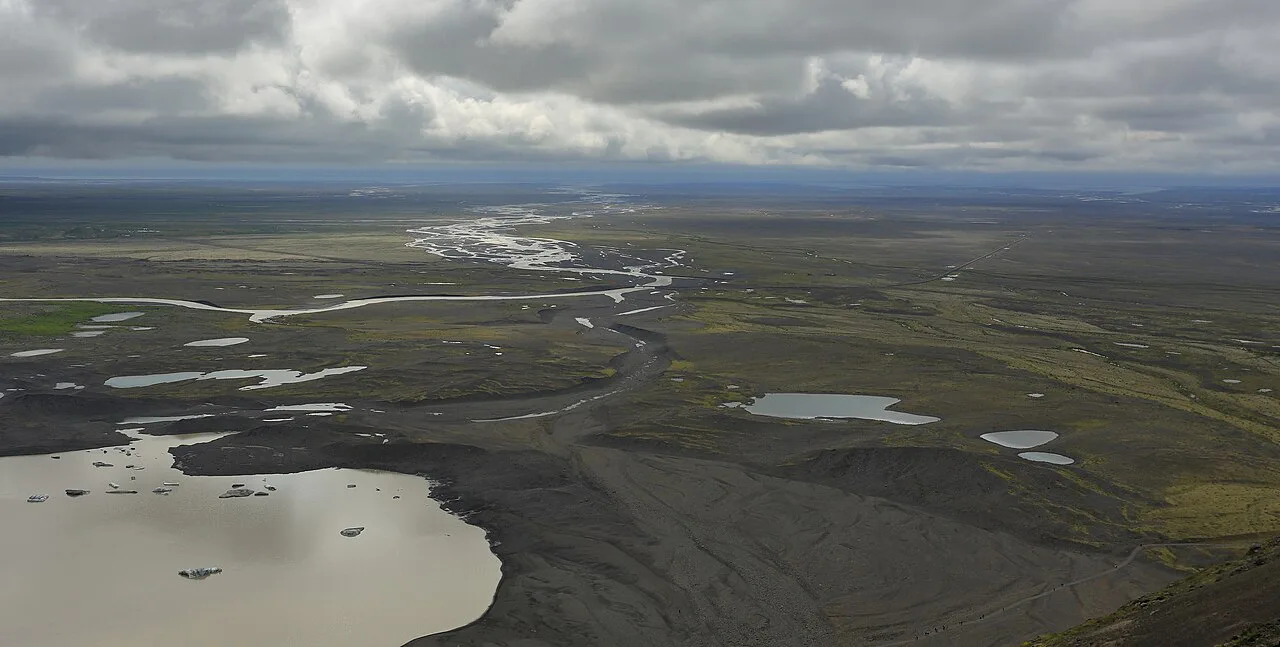
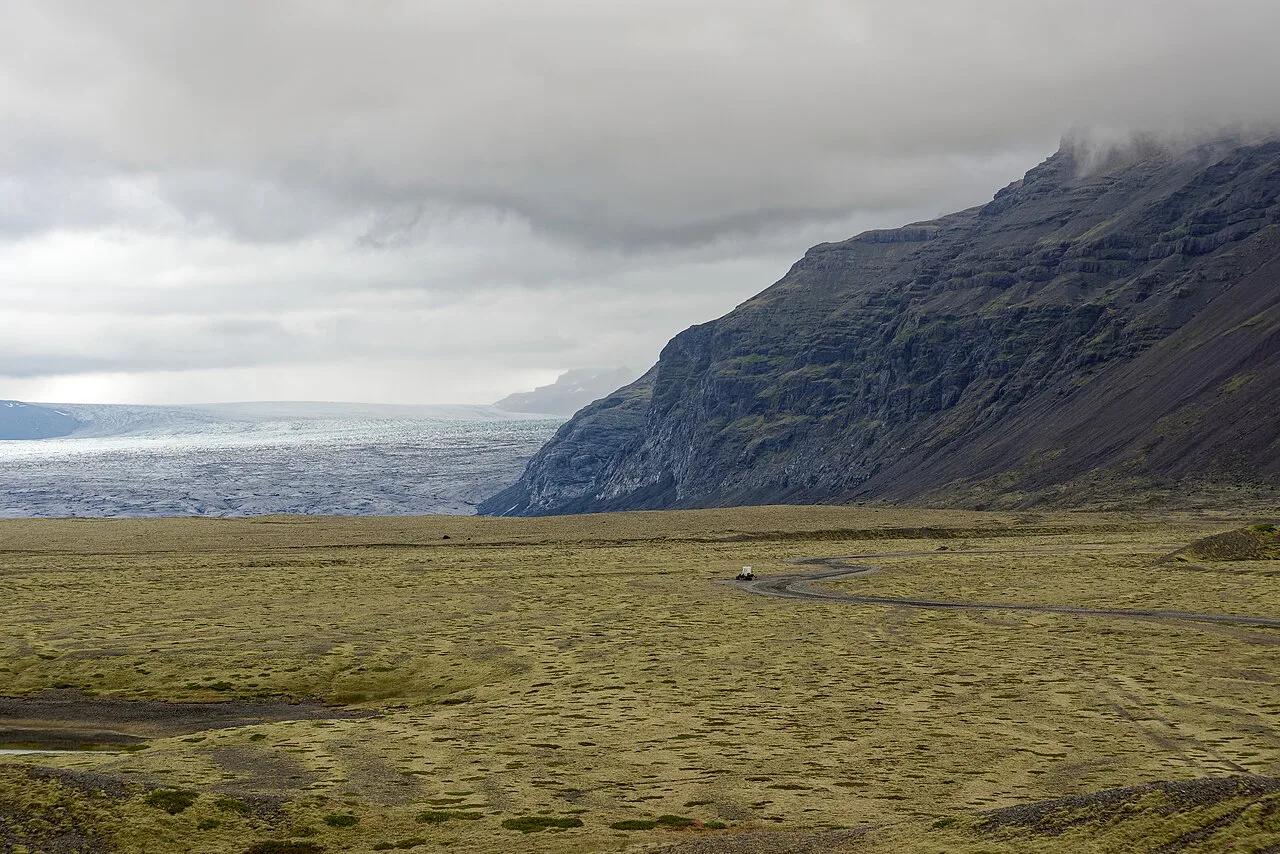
F-roads are gravel tracks that cross the interior Highlands, the empty plateau in the middle of the country. They link volcanoes, glaciers, valleys and geothermal areas. Road numbers carry an F prefix, such as F208 and F26. Surfaces are unkempt, and there are no bridges over many of the rivers, so you drive through them. Regular cars are not allowed on these roads, and taking one in can void your insurance. Services are limited, so food, water and fuel come with you.
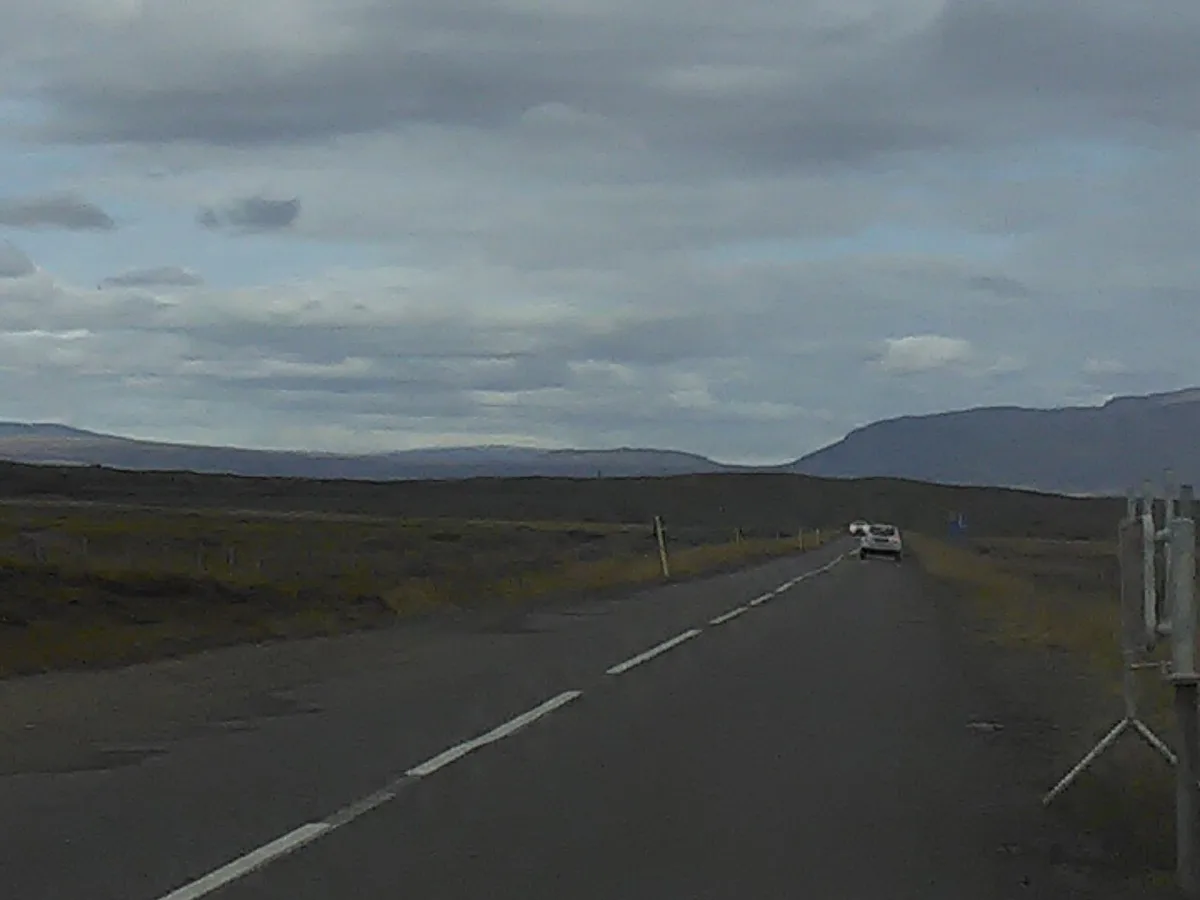
Do You Actually Need an F-Road?
Most first trips never need one. The Ring Road and the paved coastal routes reach the main waterfalls, glaciers and black-sand beaches without a single river ford. An F-road adds time, cost and risk, so the decision deserves a few honest questions.
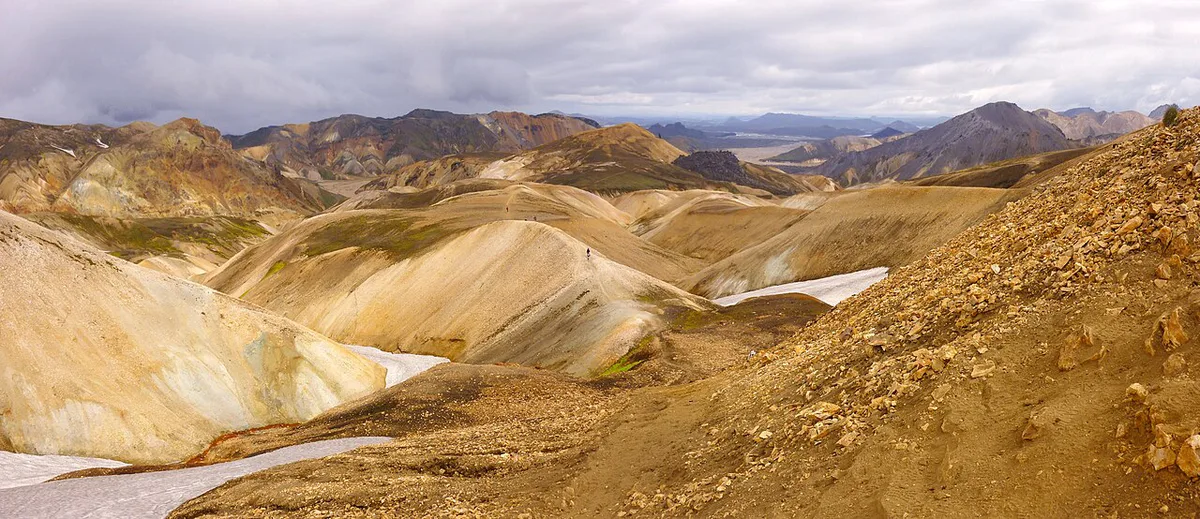
- Skip F-roads if you are renting a 2WD car. That rules them out completely.
- Skip them on a short itinerary. Gravel is slow, and a Highland day rarely fits a tight schedule.
- Skip them if you are a first-time winter or shoulder-season driver. Most F-roads are closed then anyway.
- Skip them if rivers make you uneasy. Crossings are routine here, not rare.
- Consider a guided Highland tour instead if you want the scenery without driving the fords yourself.
- Go only with a suitable 4x4, a flexible schedule and a backup plan for turning back.
Which Vehicle and Rental Rules Apply
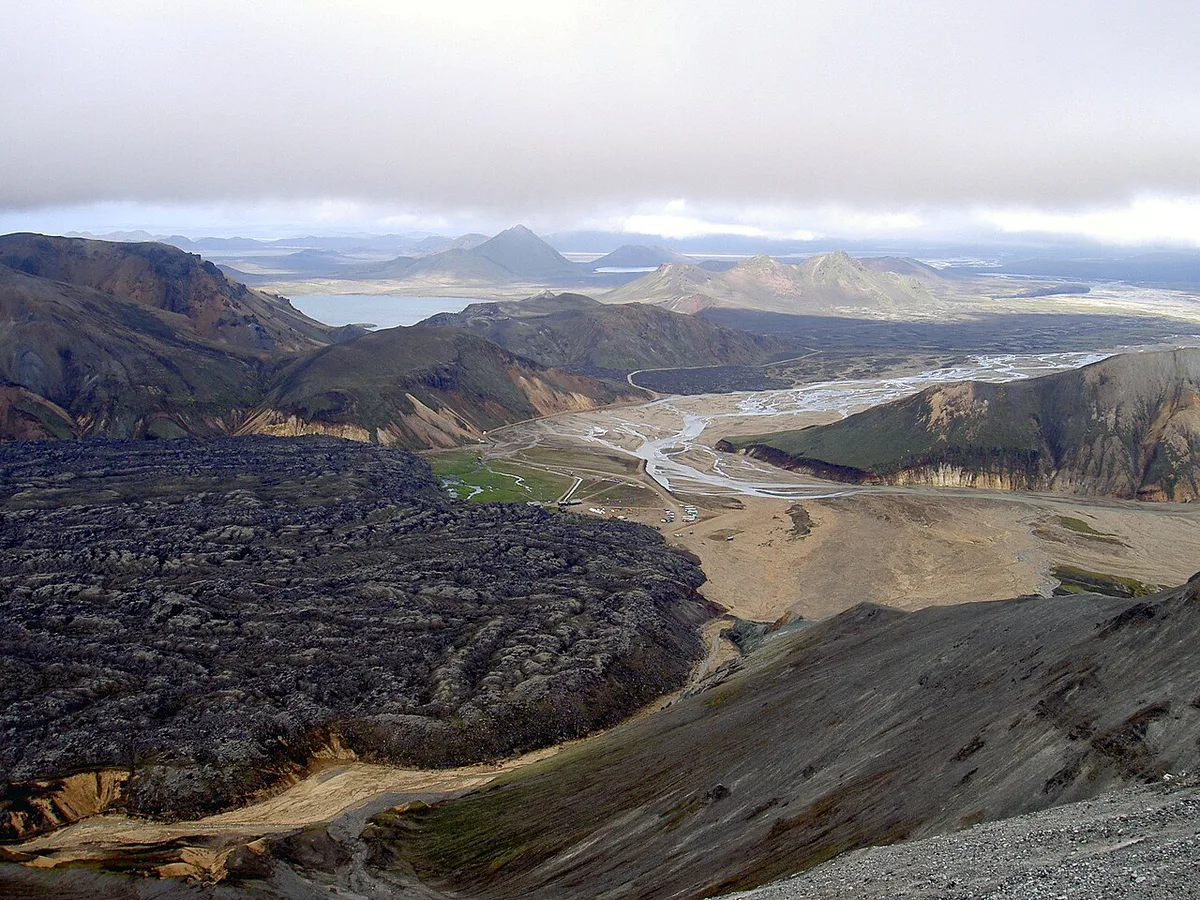
Driving a regular vehicle on an F-road is illegal, and a 4x4 is the baseline. Rental contracts often go further than the law. Standard cover commonly excludes gravel and water damage, and river crossings are the usual sticking point. Ask your rental company in writing what its highland insurance covers before you pay. Our guide to Renting a Car in Iceland: Requirements, Insurance & 4x4 explains the general terms. Pickup in the capital region is covered in car hire in Reykjavik. Arriving by air? See car hire at Keflavik Airport. Travelling in a camper? Not every camper is a 4x4, so read our campervan guide first. Visitors from the US should also read about driving in Iceland with a US license.
Renting a 2WD car rules out F-roads entirely, and taking a regular car onto one can void your insurance.
When Iceland F-Roads Open and How to Check
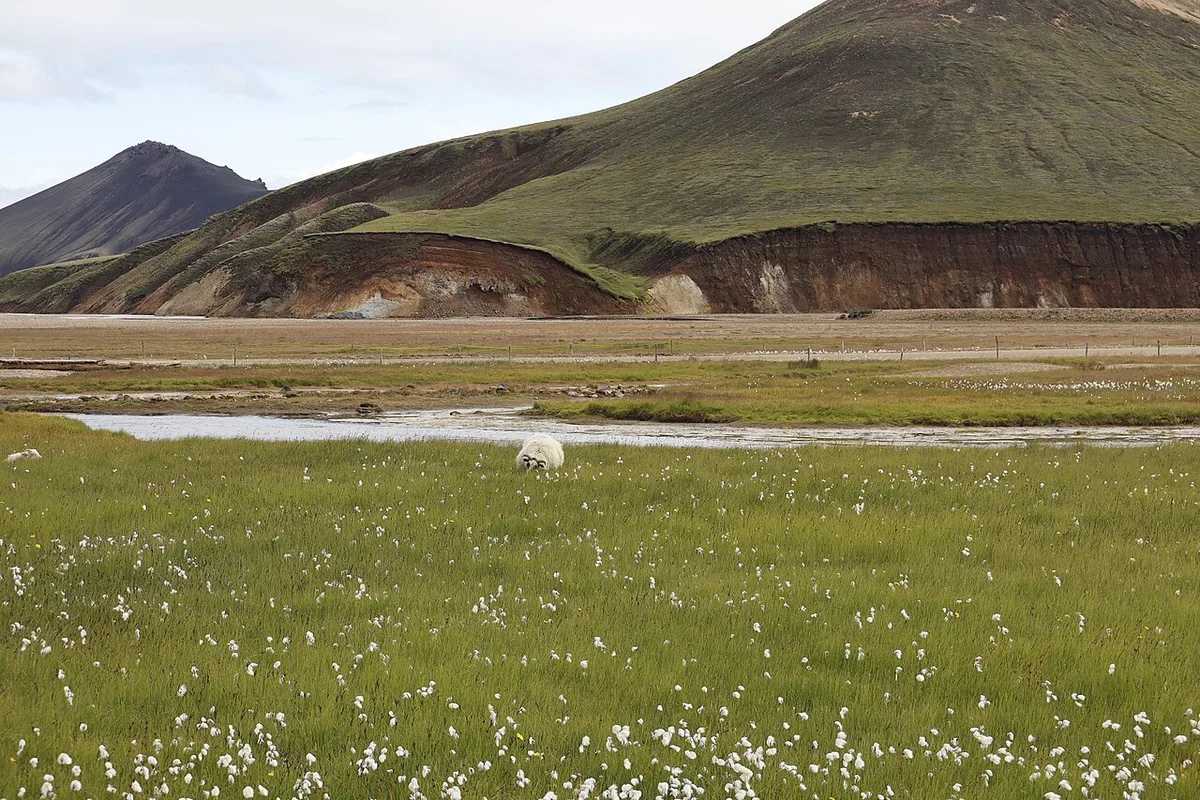
F-roads open in summer, after the winter snow melts and the mountain roads dry out. The road authority sets opening dates, and they vary by road and by year. A road can open later than you hoped, and an early heavy-snow year pushes dates back further. The Icelandic Road and Coastal Administration (Vegagerðin) posts openings, closures and weather warnings at road.is, now the umferdin.is map, and on its 24-hour road information line, 1777. Our page on Iceland Road Conditions: How to Check Them and When Not to Drive explains how to read the maps. Look again on the morning you leave, because status changes quickly.
Kjölur is Route 35, not an F-road, and it usually opens first, around 1 June. Most F-roads follow from mid-June to early July.
Average F-Road Opening Dates
Vegagerðin publishes the dates each mountain road has opened since 2021. The averages below cover 2021 to 2025, with the earliest and latest dates in that period. Use them to judge how likely a road is to be open on your dates, not as a promise.
| Road | Leads to | Average opening | Earliest to latest, 2021 to 2025 |
|---|---|---|---|
| 35 Kjalvegur (Kjölur) | Gullfoss to Hveravellir | 1 June | 30 May to 14 June |
| F208 | Sigalda to Landmannalaugar | 2 June | 23 May to 23 June |
| F225 Landmannaleið | Dómadalur route to Landmannalaugar | 16 June | 9 June to 24 June |
| F206 | Lakagígar | 20 June | 12 June to 1 July |
| F752 | Skagafjörður route into the Highlands | 4 July | 21 June to 13 July |
| F261 Emstruleið | Emstrur | 5 July | 23 June to 15 July |
| F26 Sprengisandur | Across the interior, south to north | 6 July | 21 June to 13 July |
| F210 | Keldur to Hvanngil | 7 July | 23 June to 15 July |
| F821 | Eyjafjörður route into the Highlands | 7 July | 23 June to 15 July |
Source: Vegagerðin, opening of mountain roads. For a trip in the first half of June, plan around Kjölur and the F208 approach to Landmannalaugar. Sprengisandur and the F210 are July roads in most years.
Main Iceland F-Roads Travelers Ask About
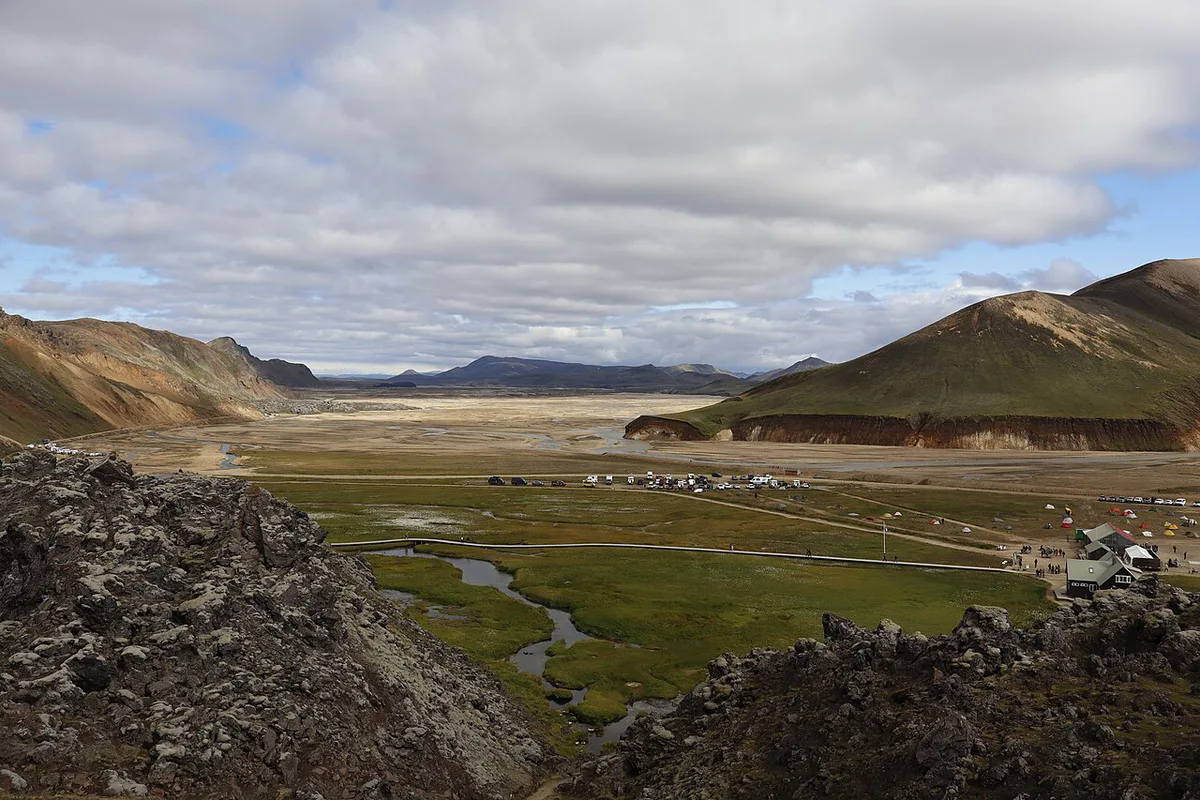
Two routes dominate planning questions. Kjölur is Route 35, and Sprengisandur is F26. Both cross the interior from one side of the Highlands to the other. Kjölur is a mountain road without the F prefix, so whether a 2WD may use it is down to your rental contract. Sprengisandur is a true F-road with unbridged rivers. River levels shift with weather and season, so look at the road map on the day.
| Route | Road | Character | River exposure | Services | Suitability |
|---|---|---|---|---|---|
| Kjölur | 35 | Gravel Highland crossing, Gullfoss to Hveravellir and north | Not an F-road; still unpaved and remote | Very limited; carry fuel, food and water | Opens around 1 June on average; rental contract decides 2WD use |
| Sprengisandur | F26 | Unpaved Highland crossing through the interior | Unbridged fords; levels change with weather | Very limited; carry fuel, food and water | Capable 4x4 only; opens around 6 July on average |
River Crossings: Go or No-Go
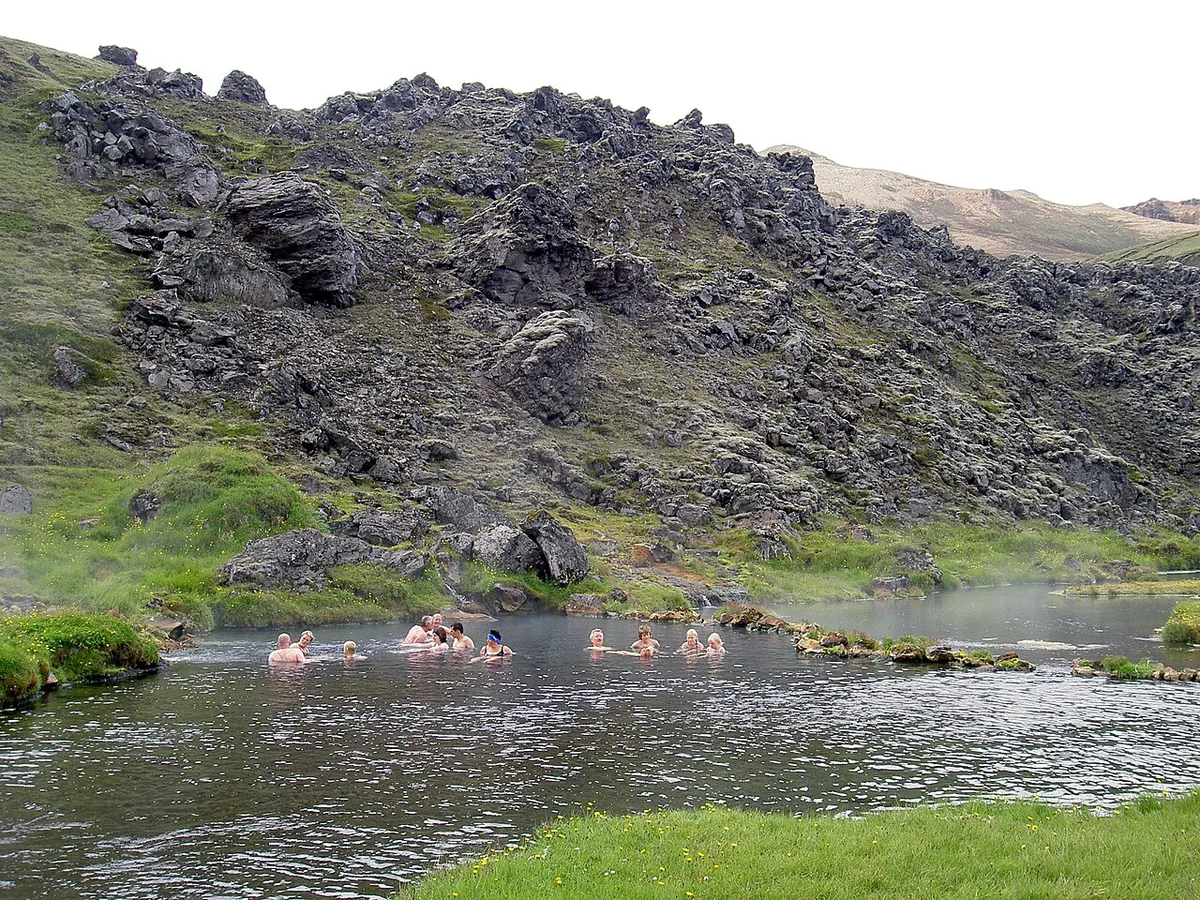
Many F-roads have no bridges, so a river crossing is part of the drive. Glacial rivers run stronger after heavy rain or warm weather. A road that is officially open can still have a river too strong to cross. A good rule of thumb is simple. If you would not feel comfortable wading it on foot, do not drive it. Knee height is the most water most drivers should ever attempt. Use this checklist before every ford.
- Walk or study the entry and exit points before you commit.
- Look for large boulders in the riverbed and plan a line around them.
- Judge the current. A fast flow can move a vehicle even in shallow water.
- Switch to a low gear so the transmission does not shift mid-river.
- Angle slightly downstream, then enter slowly and steadily.
- Keep a slow, steady pace and do not change gear in the water.
- Keep moving as you climb out the far bank.
- Travel with two or more vehicles where you can.
- Wait for another car if you are alone and inexperienced.
- Turn back if anything feels wrong. Retreating costs far less than a recovery.
Rules, Fines and Safety Prep
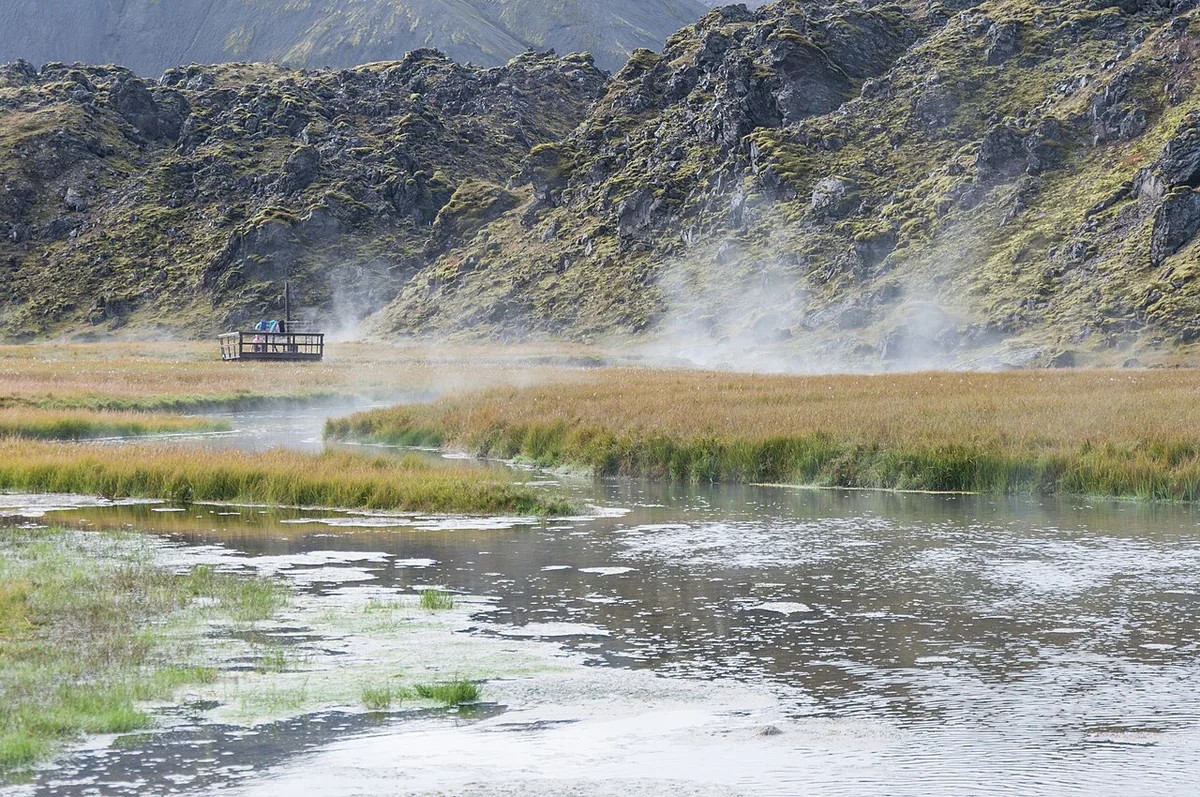
Off-road driving is illegal everywhere in Iceland, and it damages fragile Highland ground. Large fines apply, so stay on marked tracks even when the road is rough. Leave your travel plan with SafeTravel Iceland before you head inland. Phone coverage can be patchy, and help is far away. Plan fuel carefully, since stations are scarce once you leave the lowlands. Our list of Iceland Gas Stations: How to Fuel Up, Pay and Avoid Running Dry helps you pick your last fill-up. Speed on gravel is slower than on paved roads, so read Speed Limits in Iceland: Roads, Fines & Cameras. For the wider legal picture, see Driving Rules in Iceland: What Visitors Must Know. Pack extra food and water, and read the weather forecast at the Icelandic Met Office before departure.
Mistakes to Avoid on F-Roads
Most Highland problems trace back to a handful of avoidable choices.
- Taking a 2WD rental onto an F-road. It is illegal and can void your cover.
- Treating "open" as proof that every river is passable.
- Crossing alone with no experience and no backup plan.
- Underestimating distances between fuel stops and carrying too little.
- Leaving the marked track to bypass a rough patch or a ford.
- Skipping the travel plan with SafeTravel before you set out.
Road-rule changes worth knowing
Optional updates to our guides.
You might also like
Continue reading
More guides you'll find useful