6 Iceland Ring Road Bases: Days, Route & Season
Plan Iceland's Ring Road by nights, direction and season: 7, 10 or 14 days, weather buffer, cost drivers, and when to skip the full loop.
On this page
Last updated November 2026: the Iceland Ring Road is Route 1, a loop of about 1,332 km (828 mi) around the island. Most first-timers need about 10 days, and 7 days is possible but fragile. Below you will find a nights-based plan, direction trade-offs, a season matrix and a rule for skipping the full loop.
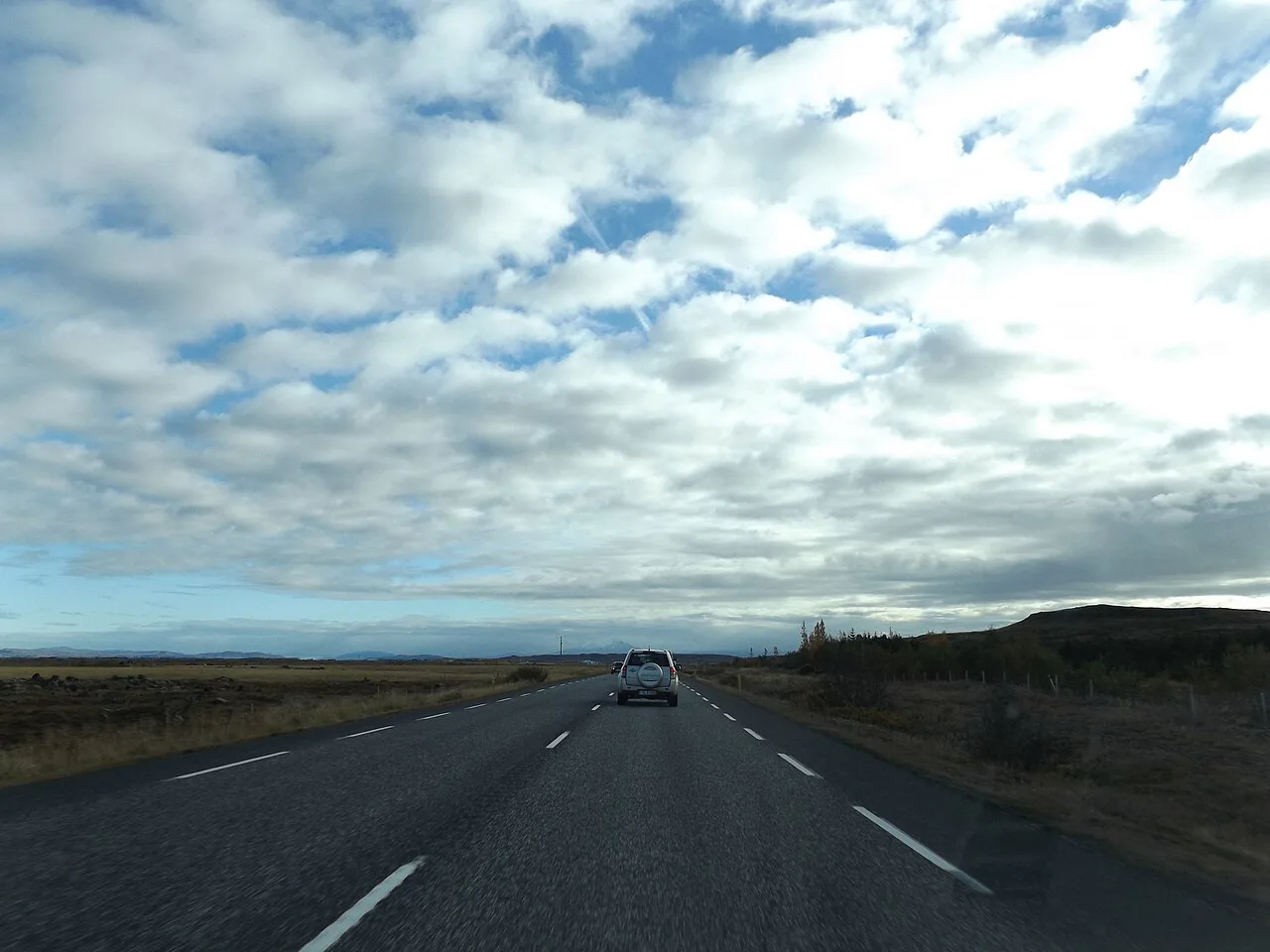
Featured image: Jakub Hałun, CC BY 4.0, via Wikimedia Commons.
Iceland Ring Road at a Glance
Route 1, called Hringvegur in Icelandic, circles the island for about 1,332 km (828 mi). Ten days is a sound plan for a first loop. Seven days is possible but fragile, because one weather delay removes the margin. Fourteen days adds room for rest days and detours. Winter shifts the sums, so a shorter South Coast route often beats a full circuit. Highland F-roads are not part of the Ring Road.
How Many Days Do You Need for the Iceland Ring Road?
Pick the length first, then fit the route around it. A 7-day loop spends most of each day behind the wheel. With 10 days, the south, east, north and west each get a night without a new hotel every evening. At 14 days you can add a rest day, a longer hike or a peninsula. Cut the east first when time runs short.
| Trip length | Best suited to | What to cut first | Main risk |
|---|---|---|---|
| 7 days | Experienced road-trippers who accept long driving blocks | East detours and side loops | One storm erases the buffer |
| 10 days | First-timers wanting one night per region | Snæfellsnes and the Diamond Circle | Little slack if two bad days stack up |
| 14 days | Slow travelers who want hikes and detours | Nothing essential | Overbooking extras and losing the slack |
6 Overnight Bases for Your Iceland Ring Road Route
Choose bases first, then fit the sights around them. Distances and road details checked November 2026. Each base below shows what earns the night and who should skip it.
1. Reykjavik and the Southwest: first and last night
Reykjavik is the natural start and finish, since the loop runs through the capital. Spend the first night here to collect the rental car, buy supplies and read the forecast before you commit to a direction. Gravel chips and sand damage are common on Icelandic roads, so read how collision waivers and excess work in our car rental insurance guide before you accept the desk's cover. Spend the last night near Keflavík (KEF) if your flight leaves early, so a road delay cannot cost you the flight home.
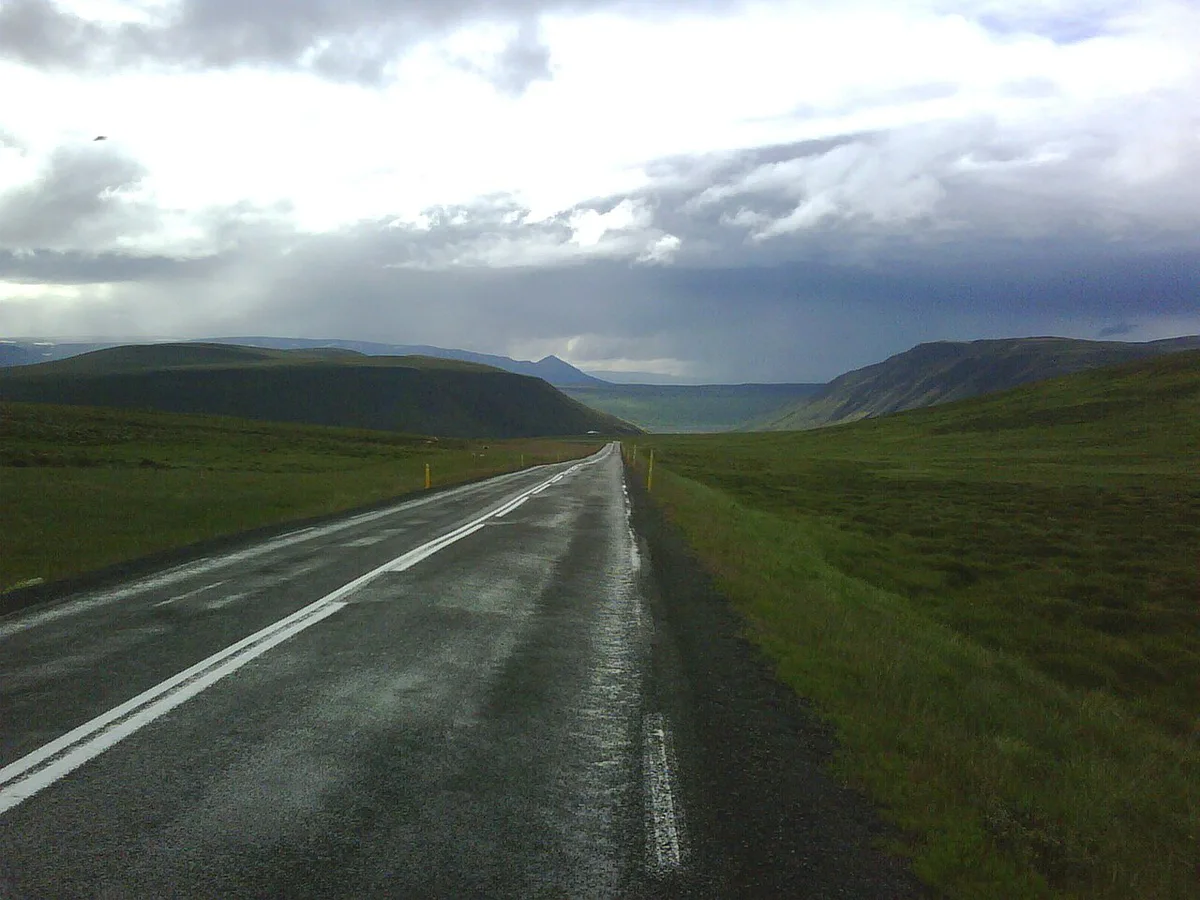
Book a hotel with flexible cancellation, because this is where a weather change forces the first rebooking. Skip a long stay here if you only have 7 days, since one night is enough for a loop that is already tight.
2. South Coast: Selfoss to Vík
Route 1 reaches the South Coast first when you drive clockwise, passing through Selfoss before Vík. This region earns a night because waterfalls, black sand beaches and glacier views sit close to the road and reward unhurried stops. Use Vík as the overnight base and keep the day light enough to stop at more than one viewpoint.
Wind and water can combine to make conditions poor, so read the road report before each leg. Skip the loop framing here if you have five days or fewer, because this coast works better as the whole trip.
3. Southeast: Höfn, Jökulsárlón and Vatnajökull
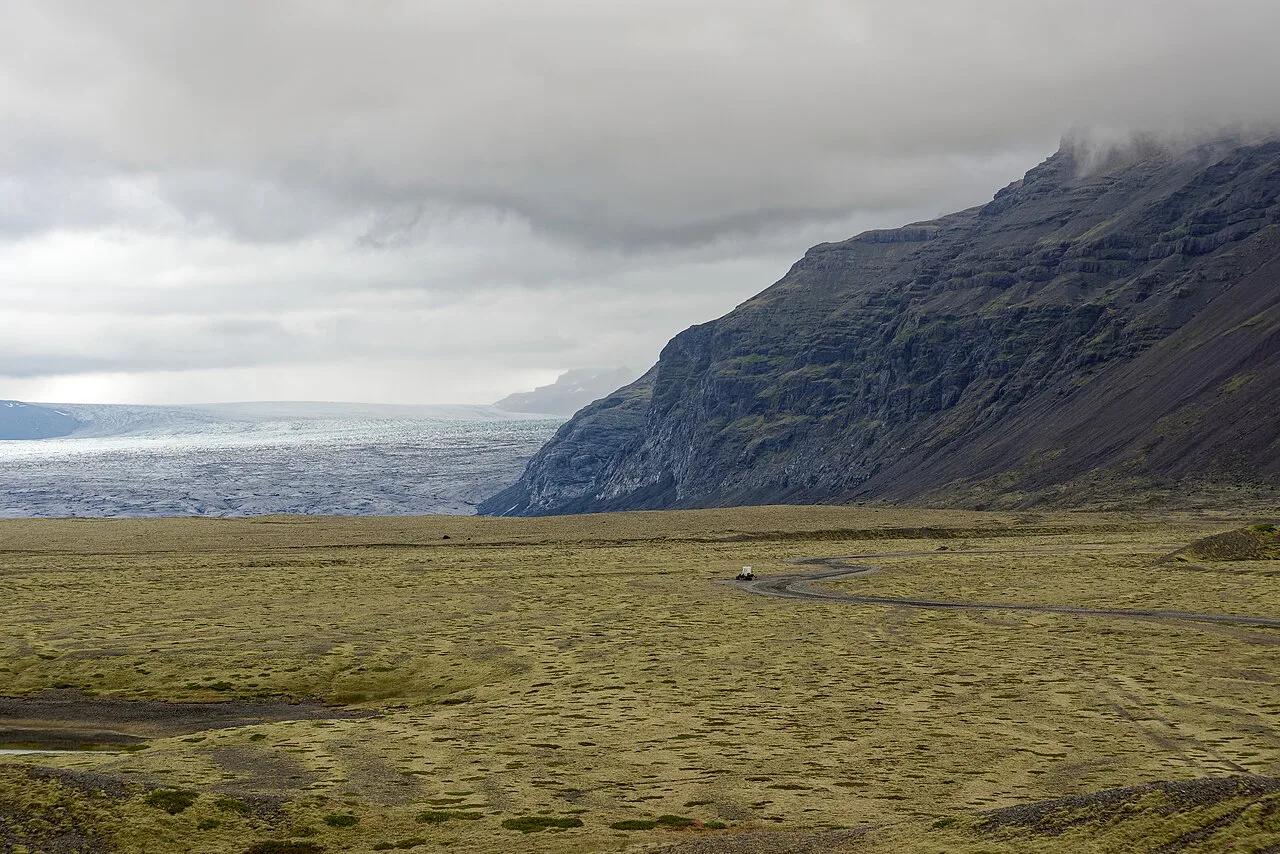
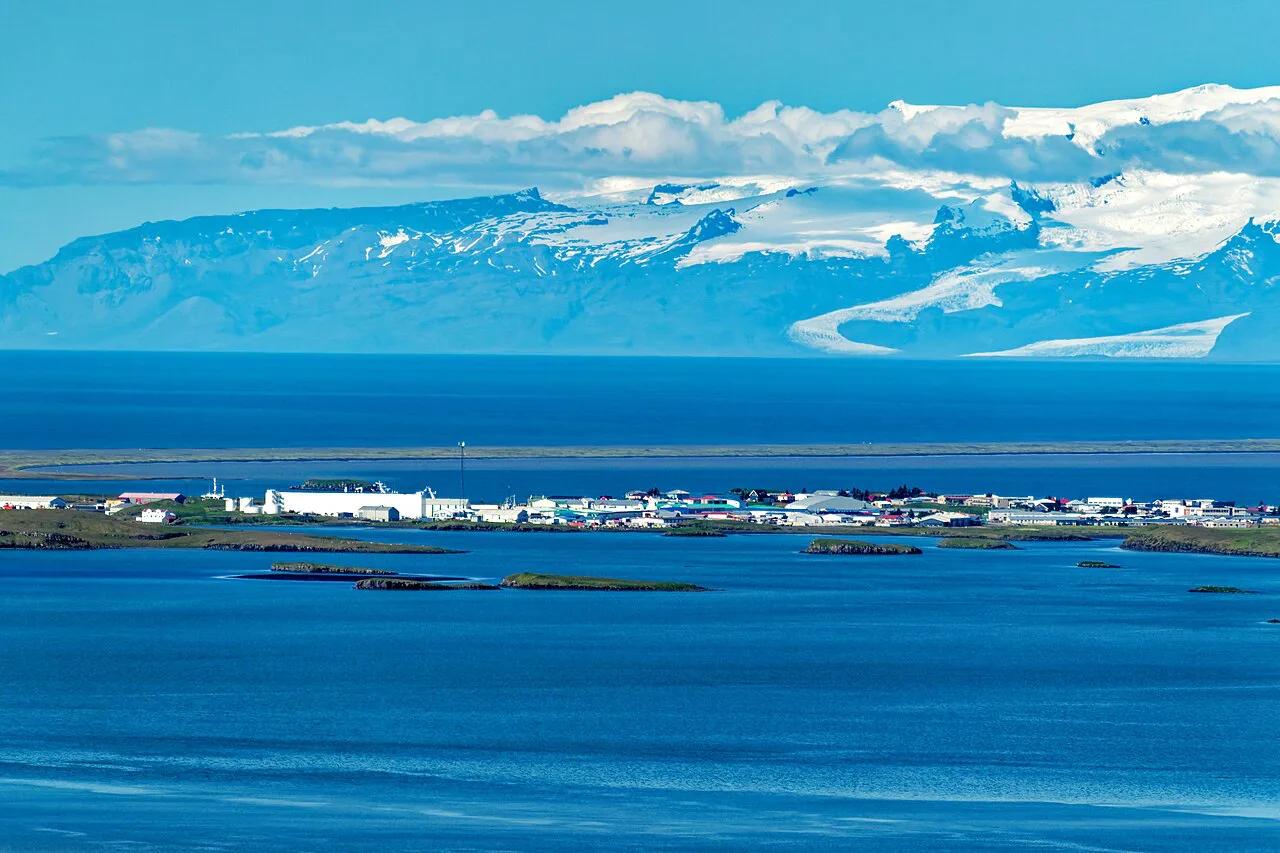
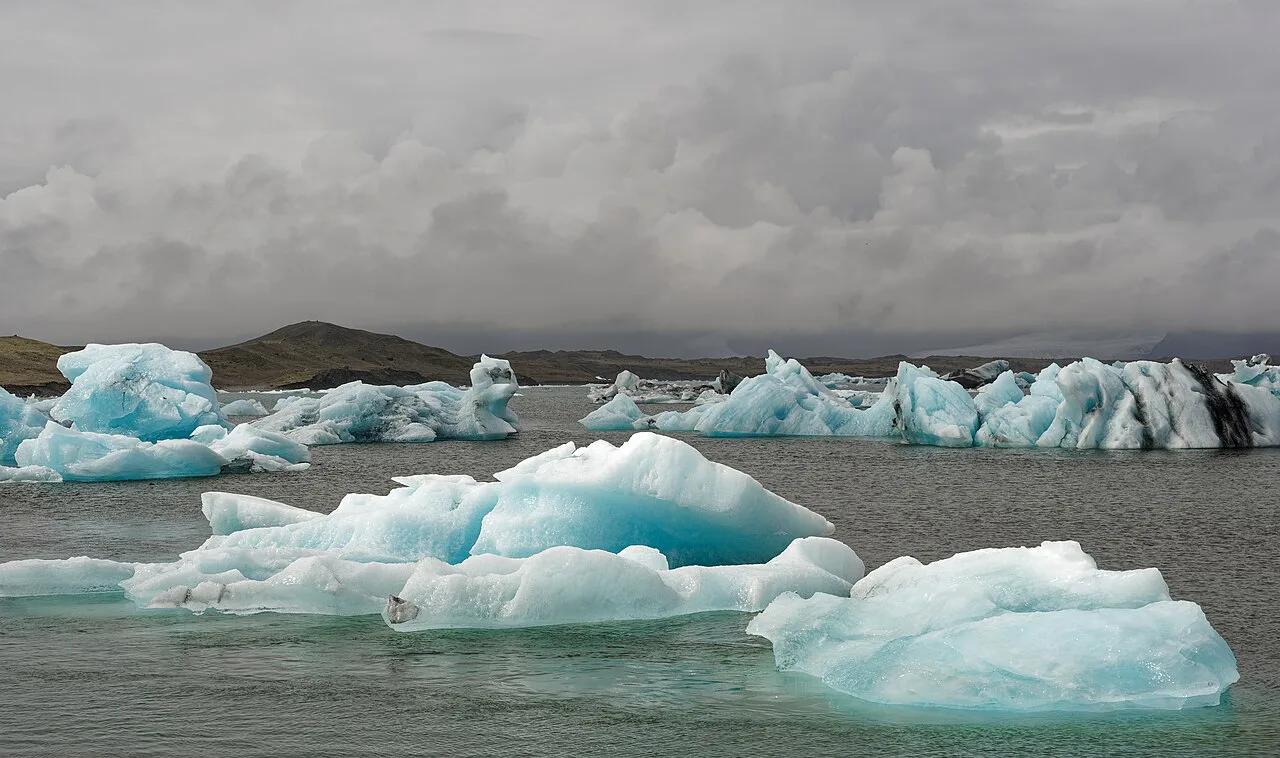
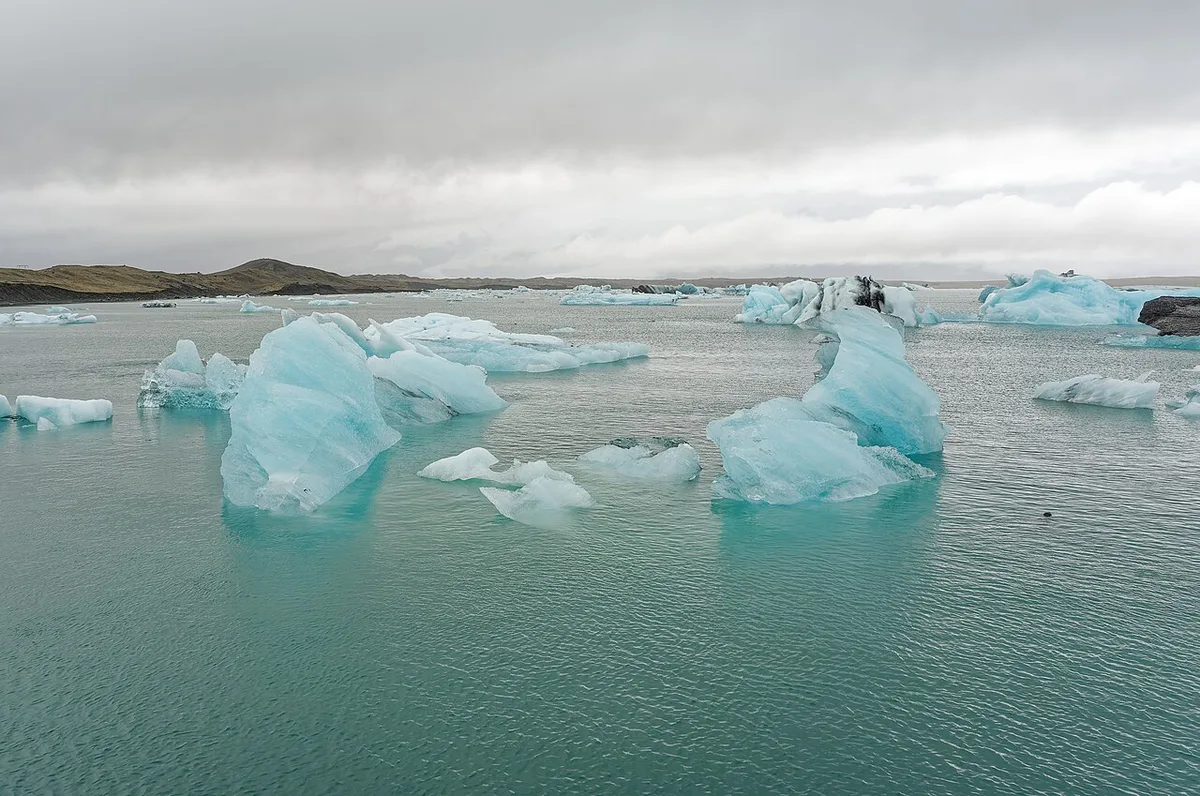
Höfn is the base for the southeast, where Route 1 passes the Vatnajökull glacier and the lagoon at Jökulsárlón. It earns a night because the lagoon and glacier edge deserve more than a roadside photo stop. Book Höfn early in summer, since remote stretches offer few alternative beds.
Fill the tank before leaving the previous town, because fuel stops thin out between settlements. Skip a full day here if you have 7 days and would rather save the time for the north.
4. East: Egilsstaðir
Egilsstaðir is the main base in the east and the stretch most often squeezed in a short plan. Treat the east as a long driving block rather than a sightseeing region, and plan the day around fuel and meals. A 7-day plan that over-packs the east ends in dark driving or skipped stops.
A 10-day plan can give Egilsstaðir one full night with a lighter afternoon. Cut detours here first when weather slips, since the east is the cheapest place to lose time.
5. North: Akureyri, Mývatn and Goðafoss
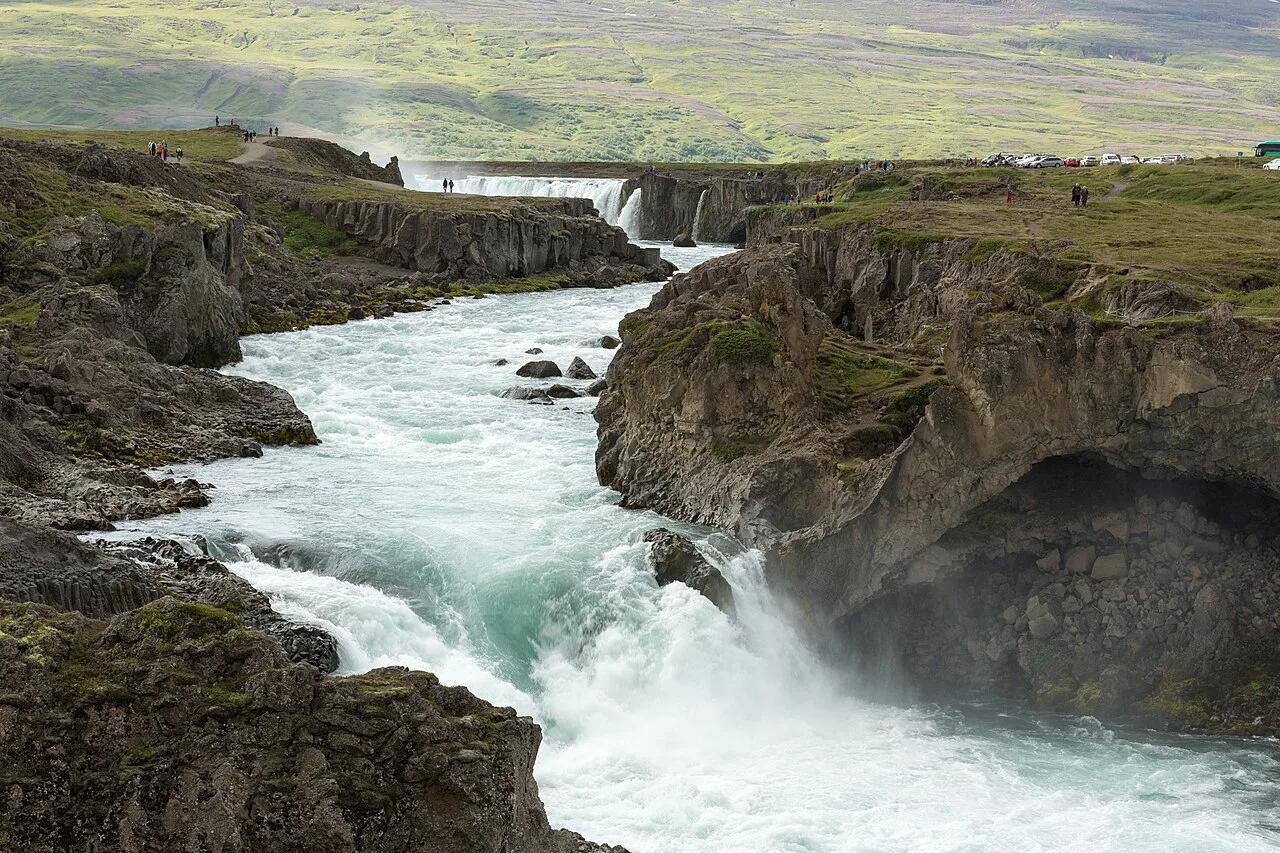
Akureyri is the main base in the north and the start and end point of the Diamond Circle. Mývatn, Goðafoss and Húsavík all belong to that circuit, so an extra night turns the base into a loop within the loop. Allow one night for Route 1 alone and two if you add the Diamond Circle.
Poor weather or a short trip argues for dropping the circuit and keeping Akureyri as a single stop. Skip the detours if long road days tire you, because the north already follows the east's long driving block.
6. Northwest and West: Borgarnes and Snæfellsnes
Borgarnes is the last base before Reykjavik on a clockwise loop and the staging post for the Snæfellsnes peninsula in the west. Snæfellsnes is a detour rather than part of Route 1, and it needs its own day. Use Borgarnes as a buffer night, because a delay here still leaves you close to the capital and the airport.
Choose it when you have 10 days or more and want a gentle final stretch. Skip Snæfellsnes if the trip is shorter than 10 days, since the loop itself will use every spare hour.
Clockwise or Counter-Clockwise on the Iceland Ring Road?
Neither direction suits everyone, so judge by four criteria. Weather exposure covers the same stretches either way, and only the order changes. Daylight decides which end you drive first when days are short. First and last nights also differ. Your flight home sets the final base, so pick the direction that leaves a light day before KEF.
| Criterion | Clockwise | Counter-clockwise |
|---|---|---|
| Weather exposure | South Coast comes early | South Coast comes late, so a storm can hit the final days |
| First night | Selfoss and Vík side first | Borgarnes side first |
| Last night | Ends in the west near Borgarnes | Ends on the South Coast |
| Flight home | Borgarnes is a buffer before Reykjavik | Vík-area delays sit close to departure |
Season by Season: What Changes on the Iceland Ring Road
Summer gives the most daylight and the easiest conditions for a full loop. Shoulder months can be excellent but need more weather margin. Winter brings shorter days, wind, snow and closures. F-roads are separate from Route 1 and need their own research.
| Season | Daylight | Road and wind risk | Plan change |
|---|---|---|---|
| Summer | Longest days | Lowest overall, but wind and water still affect exposed stretches | Full loop is realistic in 10 days |
| Shoulder | Moderate and shrinking | Higher; weather margin matters | Add a spare day and flexible bookings |
| Winter | Shortest days | Highest; snow, wind and closures | Consider a shorter South Coast route |
Build a Weather Buffer into the Plan
A buffer is not an empty day you hope to skip. It is flexibility built into your bookings. Choose hotels with flexible cancellation terms. Keep one light driving day in the middle of the loop. Avoid timed tours on the last two days. Read live road conditions each morning and skip a detour rather than force the schedule. Finally, place your last night near Keflavík (KEF) so a delay cannot threaten the flight home.
What a Full Iceland Ring Road Loop Really Costs
Extra nights are not the only cost. Moving from 7 to 10 days adds three rental days before fuel or hotels. Our Iceland road trip planning guide covers the wider budget. Build a quote from current rental and hotel listings using the checklist below.
Moving from 7 to 10 days adds three rental days, while the full loop also needs 10 days or more and flexible bookings.
| Cost driver | What to price |
|---|---|
| Rental days | Days for 7, 10 and 14 nights |
| Fuel | Loop distance plus any detours |
| Insurance add-ons | Gravel, sand/ash and wind cover, per the rental firm's terms |
| Remote accommodation | Beds in Höfn and Egilsstaðir, which are limited |
| Paid activities | Boat trips, tours and entry fees you want |
Full Loop or Shorter Route? A Decision Guide
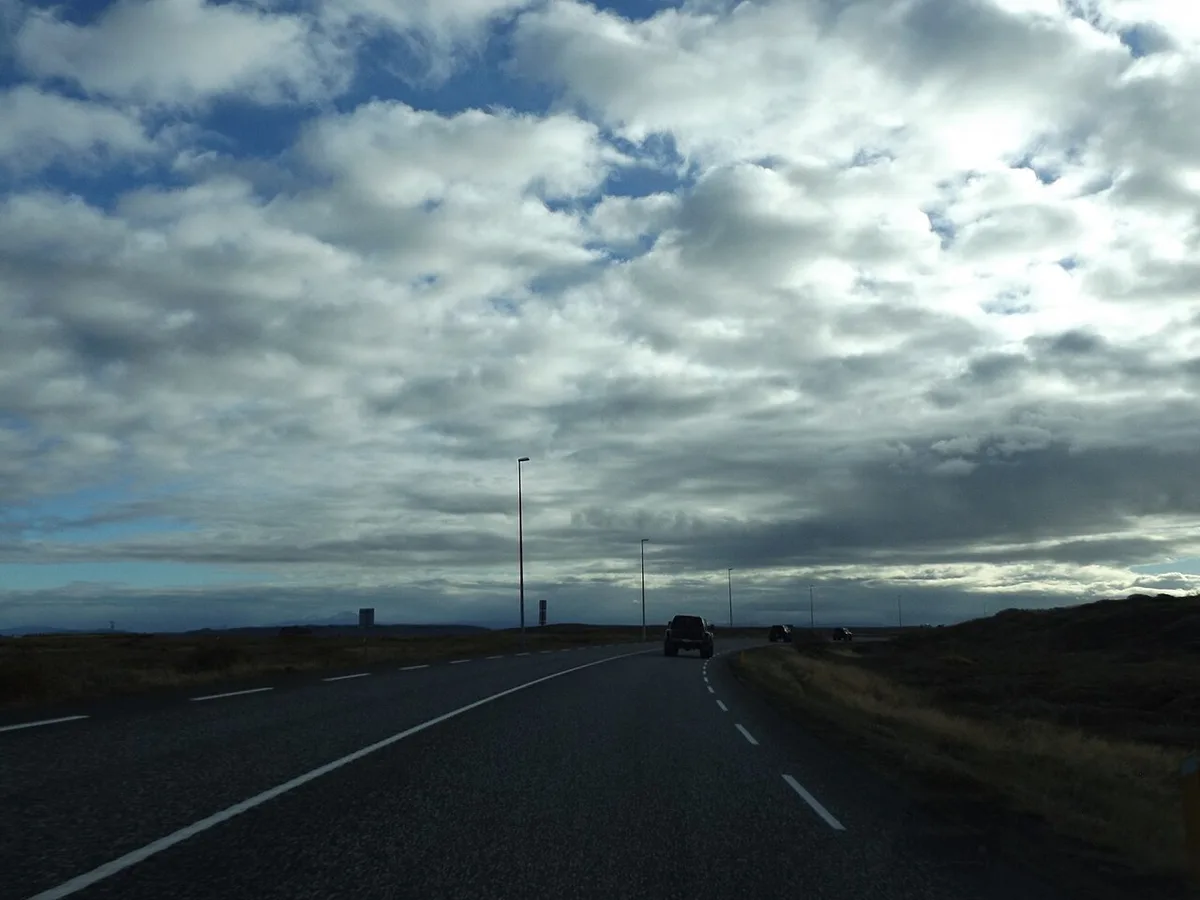
Skip the full loop when your trip is five days or less. Winter is the other trigger. In both cases, a South Coast base gives more time out of the car. Follow our South Coast drive guide for that version. Choose the full loop when you have 10 days or more and flexible bookings.
| Choose the full loop if | Choose a focused route if |
|---|---|
| You have 10 days or more | You have five days or fewer |
| Travel is in summer or shoulder season | Travel is in winter |
| Bookings can be cancelled | Hotels are non-refundable |
| You accept long driving blocks | You prefer short drives and longer stops |
Side Loops Worth the Detour
Only Route 1 is the Ring Road, and every loop below is an add-on. Þingvellir National Park opens the 230 km Golden Circle, which takes about 3 hours without stops. Strokkur at Geysir erupts every few minutes and can reach about 30 m. Our Golden Circle drive guide covers the stops. Diamond Circle runs about 250 km from Akureyri and takes 4-5 hours without stops. Snæfellsnes is a western peninsula that needs its own day. Westfjords Way covers about 950 km and is not part of Route 1. Treat it as a separate multi-day trip, using our Westfjords road trip guide.
Diamond Circle takes 4-5 hours without stops, which is why the north base's second night matters.
| Side loop | Length | Relation to Route 1 |
|---|---|---|
| Golden Circle | 230 km, about 3 hours without stops | Detour, usually a day trip from Reykjavik |
| Diamond Circle | 250 km, 4-5 hours without stops | Starts and ends in Akureyri |
| Snæfellsnes | A few hours without stops | Western detour |
| Westfjords Way | About 950 km | Separate trip |
Common Iceland Ring Road Mistakes to Avoid
Four errors cause most Ring Road trouble.
| Mistake | Better move |
|---|---|
| Over-packing the east in a 7-day plan | Cut detours there first |
| Skipping fuel stops in remote stretches | Fill up before each long block |
| Booking non-refundable hotels in winter | Choose flexible cancellation |
| Treating road distance as time | Add time for weather, photos and meals |
Official Sources and Live Road Checks
Safetravel Iceland publishes driving safety and alerts. Wind and weather warnings come from the Icelandic Met Office at vedur.is. Road.is, run by Vegagerðin, covers closures and conditions on Route 1.
Frequently Asked Questions
Which month is the best month to go to Iceland?
For a full Ring Road loop, summer offers the most daylight and the easiest conditions. Shoulder months can work with extra weather margin. A shorter route suits the darker months better.
Is it difficult for an American to drive in Iceland?
Conditions matter more than nationality. Wind, gravel, snow and closures are the real challenges, and they vary by season. Read road.is and safetravel.is each morning and drop a detour when alerts appear.
Explore More Guides
Keep planning your trip with these guides.
Guides
Road-rule changes worth knowing
Optional updates to our guides.
You might also like
Continue reading
More guides you'll find useful