Iceland Gas Stations: How to Fuel Up, Pay and Avoid Running Dry
How Iceland gas stations work: paying at the pump, petrol vs diesel, sparse regions on the Ring Road, and refuelling before you return your rental.
On this page
Last updated November 2026: the safest approach to Iceland gas stations is to top up whenever you pass one on a sparse leg and to carry a card with a working PIN. Read the fuel type on the filler flap before you leave the rental lot. Our hub on 7 Things to Know About Driving in Iceland (2026) covers the wider rules of the road.
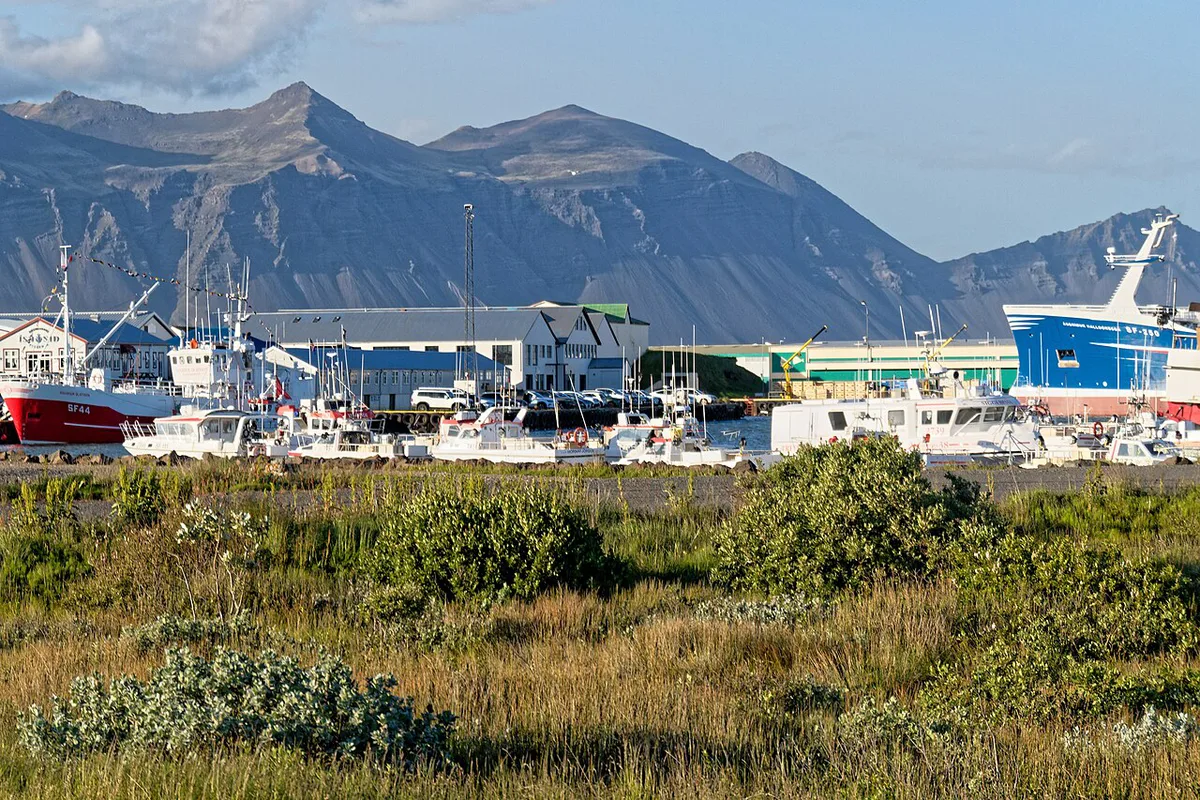
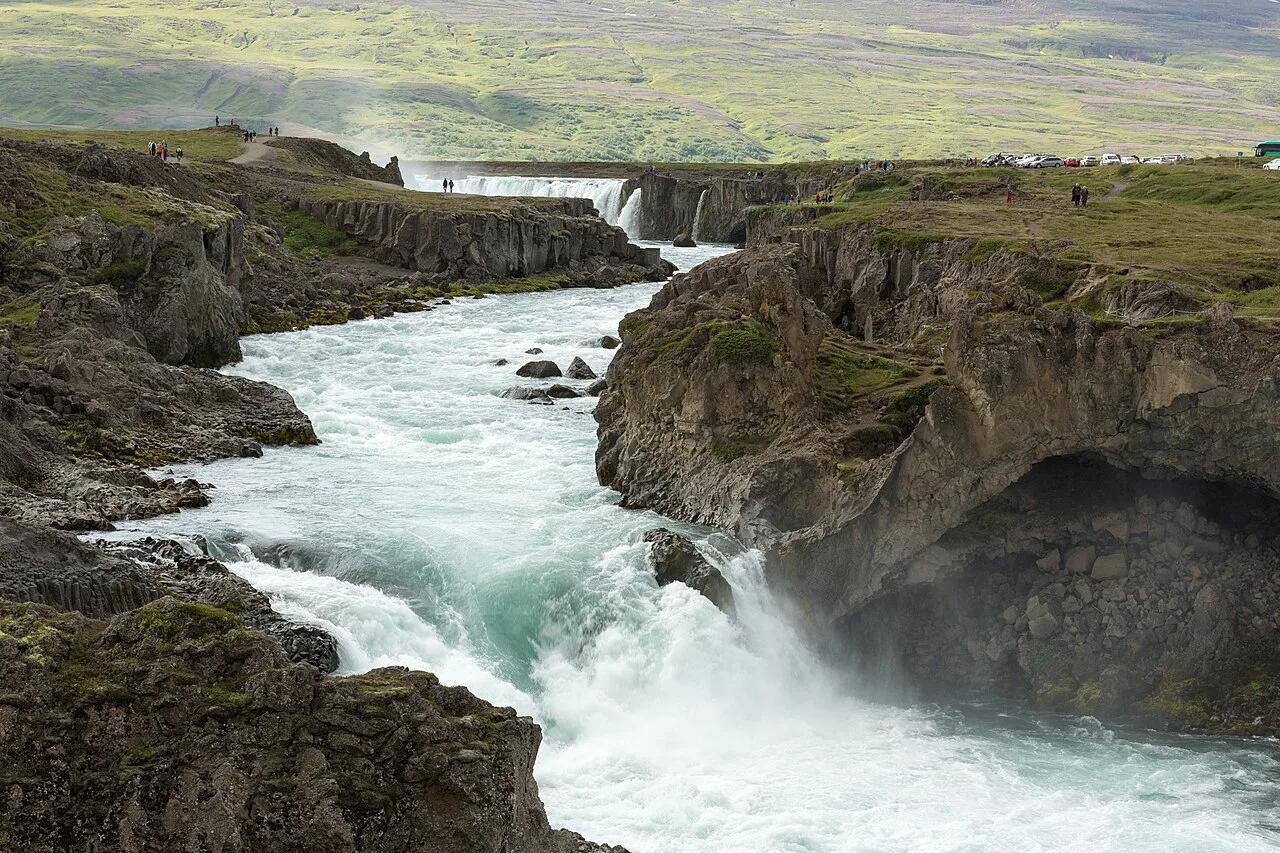
Featured image: Holger Uwe Schmitt, CC BY-SA 4.0, via Wikimedia Commons.
Quick answer: your Iceland fuel checklist
Fill up before every long leg between towns. In the east, the north and the Westfjords, treat a gauge dropping below half as your cue to refuel. Stations thin out quickly once you leave the Ring Road. Use this list before each driving day.
- Check the fuel-cap label and your rental contract for petrol or diesel. Best for: every renter. Watch out for: assuming the engine type from the car's size.
- Carry a credit card with a PIN, plus a second card from a different bank. Best for: unattended pumps. Watch out for: cards that were never set up with a PIN.
- Top up in the larger towns before a sparse stretch, such as Höfn, Egilsstaðir, Akureyri or Borgarnes.
- Look at the operator's station map before any Highlands approach or remote detour.
How refuelling works in Iceland
Many stations pair a staffed shop with self-service pumps. Smaller rural sites may offer only the pump. The main chains are N1, Orkan, Olís and Atlantsolía, and each has its own station map on its website or app. Hours differ by operator and season, so use those maps rather than guessing. At a self-service pump, select your fuel grade, pay at the terminal and follow the on-screen prompts before you lift the nozzle.
Paying at the pump: cards, PINs and fallbacks
Payment friction is the most common refuelling problem for visitors. Some unattended pumps expect a chip-and-PIN card. Some also place a temporary hold on your card before the final charge settles. Work through the steps below in order if a pump rejects you.
- Re-enter the PIN slowly and try the card again.
- Try a second card, ideally from another bank or network.
- Walk into the shop if the station is staffed and pay at the counter.
- Ask the operator's staff whether a prepaid fuel card suits your trip. Best for: drivers whose cards keep failing. Watch out for: leftover balance and the card's terms.
- Move on to the next station on your map if you still have a safe margin of fuel.
- Phone your rental company if you are stuck, since they know their breakdown contact.
Prepaid cards are the usual fallback. N1, for example, offers prepaid fuel cards and lets holders look up the remaining balance on its website, so a card bought ahead can cover later stops at unattended pumps.
Petrol vs diesel: avoid the expensive mistake
Pump handles and labels name the fuel, so read them before you lift anything. Your rental contract and the label inside the fuel flap tell you which fuel the car takes. Do not guess from the car's size or shape. Our guide to Renting a Car in Iceland: Requirements, Insurance & 4x4 explains fuel policies in more detail. If you misfuel, stop immediately and do not start the engine. Call your rental company and follow their instructions. Larger vehicles deserve extra care, and our campervan Iceland guide covers the fuel planning that comes with them.
Where Iceland gas stations are scarce
Plan by leg, not by a fixed distance. Stations cluster in towns and at a few junctions. Everything between can be empty road. Use this table as a planning frame, and each operator's map for the exact stations on your day.
| Route leg | What to plan |
|---|---|
| Reykjavik and the South Coast | Fuel is easy near the capital. Top up again in Vík before heading east. |
| East: Höfn to Egilsstaðir | Fill at Höfn and again at Egilsstaðir. Treat every town as a refuelling stop. |
| North: Blönduós to Akureyri | Refuel in Blönduós and Akureyri rather than waiting for the gauge to drop. |
| West: Borgarnes and Snaefellsnes | Fill in Borgarnes before circling Snaefellsnes. Stay topped up as you loop back. |
| Westfjords | Services are sparse. Start each day full and refuel at every town you pass. |
| Highlands and F-roads | Leave with a full tank and read the road status first. Stations are not available along the tracks. |
Fuel and cost planning
Budget with a simple formula: distance multiplied by your car's consumption, multiplied by the current price per litre from the operators' own sites. Compare fuel cards and loyalty cards only against your own route and the card's terms.
A worked example: Route 1 is about 1,309 km around the island. A petrol car using 7 litres per 100 km burns roughly 92 litres on the loop alone, which at N1's November 2026 price of ISK 250.6 per litre comes to about ISK 23,000 before detours. Side trips such as the Golden Circle, Snaefellsnes or the Westfjords add to that, so many drivers budget for at least 20 to 30% more distance than the bare Ring Road.
Seasonal and weather planning
Winter daylight is short, and weather closures can force detours that burn extra fuel. Look up your route with the Icelandic Road and Coastal Administration before setting out. Our guide to Iceland Road Conditions: How to Check Them and When Not to Drive explains how to read the closures. Mountain roads close seasonally, and our F-roads guide covers which ones are affected. Remote-area advice from Safetravel Iceland is worth reading before any long detour. Start full whenever the forecast is uncertain.
Refuelling before you return the car
Read your rental's fuel policy before the last day, since some require a full tank at drop-off. Find a station on your route and fill up well before your return deadline. Our Keflavik Airport car hire guide covers the airport return. For city returns, see our notes on car hire in Reykjavik. Keep your final fuel receipt until the rental company has closed your contract.
Fuel prices in Iceland in 2026
Prices are posted per litre in Icelandic króna. On 20 November 2026, N1's fuel price page listed its lowest price in effect as ISK 250.6 per litre for 95-octane petrol (bensín) and ISK 313.9 per litre for diesel (dísel). N1 says about 30% of the pump price is public charges: oil duty, carbon tax and VAT.
| Fuel | Pump label | Per litre (N1, 20 Nov 2026) | Per US gallon, converted |
|---|---|---|---|
| Petrol, 95 octane | Bensín 95 | ISK 250.6 | About ISK 949 |
| Diesel | Dísel | ISK 313.9 | About ISK 1,188 |
Pump prices differ from station to station and chain to chain, and N1 notes that what most customers pay is lower than the posted pump price through its app. Since 1 January 2026, cars also carry a kilometre fee of ISK 6.95 per km. For a hire car, the rental company pays it and builds it into the rate, so you do not pay it at the pump.
Frequently Asked Questions
How much is gas in Iceland per gallon?
Stations sell fuel by the litre, not by the gallon. On 20 November 2026, N1 listed 95-octane petrol at ISK 250.6 per litre, about ISK 949 per US gallon, and diesel at ISK 313.9 per litre, about ISK 1,188 per gallon. Prices change often, so the operator's own price page has today's rate.
Do they accept US dollars in Iceland?
Prices are set in Icelandic króna, and pumps and shops expect card payment. Your bank converts the charge, so cash dollars are not a practical way to pay for fuel.
Road-rule changes worth knowing
Optional updates to our guides.
You might also like
Continue reading
More guides you'll find useful