Speed Limits in Iceland: Roads, Fines & Cameras
Iceland's speed limits by road type (paved, gravel, town), plus fines, speed cameras, single-lane bridges and tips for rental drivers.
On this page
Last updated November 2026: speed limits in Iceland are 90 km/h (56 mph) on paved rural roads, 80 km/h (50 mph) on gravel and 50 km/h (31 mph) in towns. Signs override those defaults, and camera fines reach rental drivers through the rental company. Use this page with our complete driving in Iceland guide before you collect your keys.
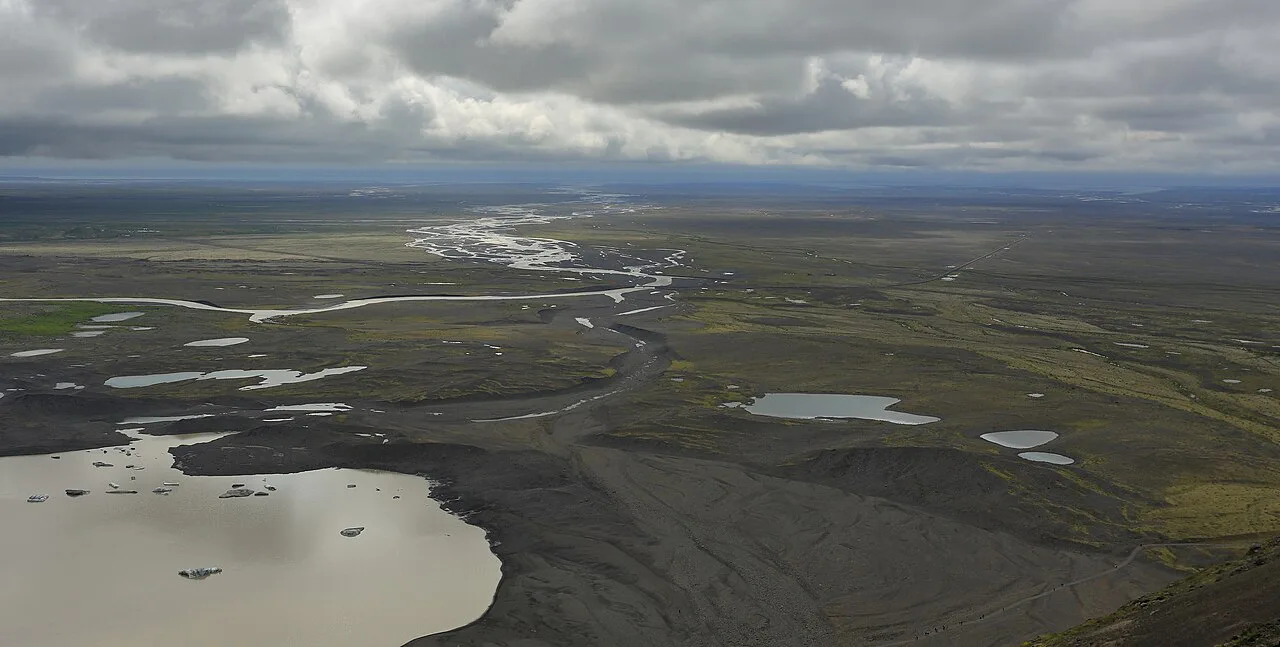
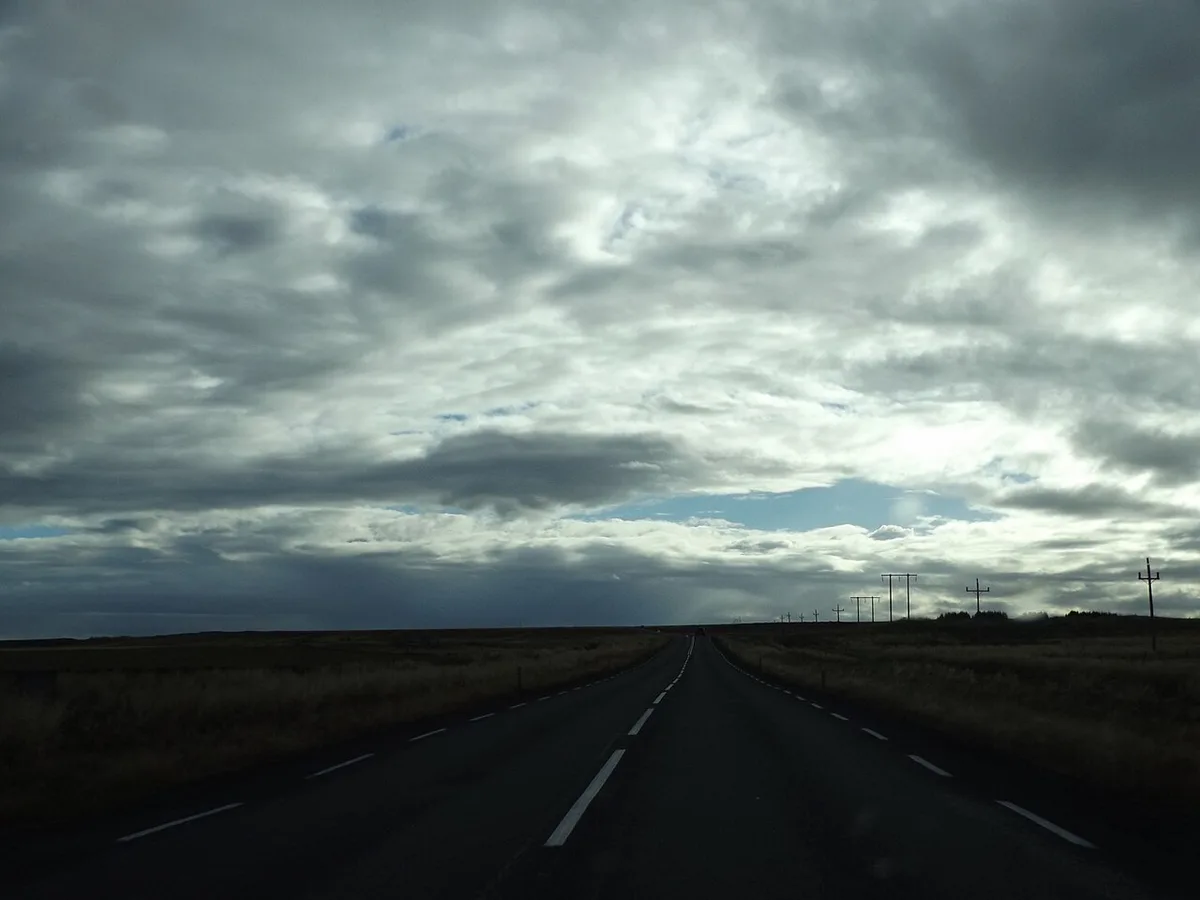
Featured image: Jakub Hałun, CC BY 4.0, via Wikimedia Commons.
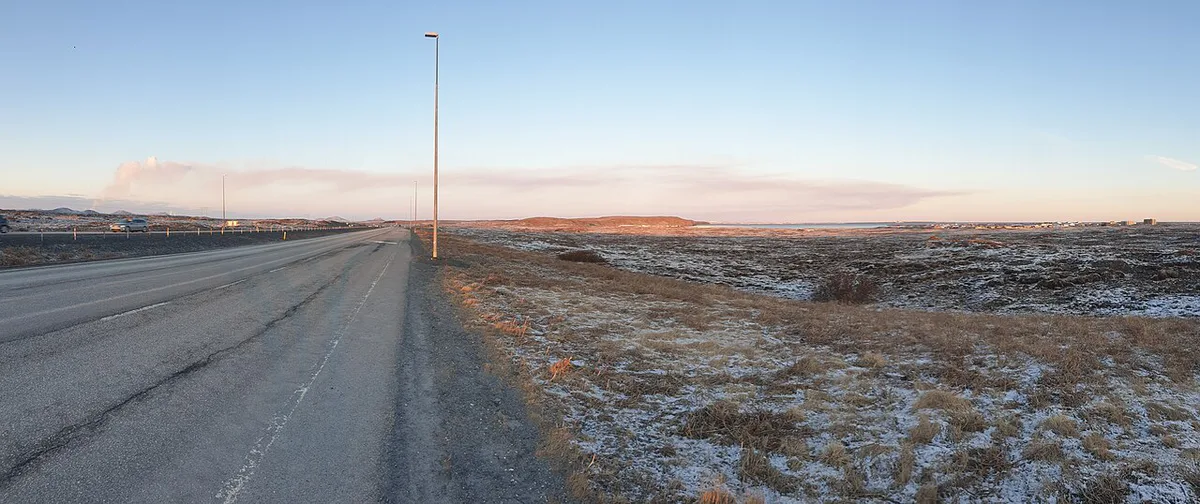
Speed Limits in Iceland at a Glance
Iceland sets limits by road surface as well as by location. A road can be 90 km/h on pavement and 80 km/h once it turns to gravel, with no change of route. The Icelandic Road and Coastal Administration (Vegagerðin) sets out the defaults: 50 km/h in urban areas, 30 km/h on most residential streets, 60 km/h on urban throughways and 60 to 80 km/h where highways pass through towns. Outside towns the limit is 80 km/h on gravel and 90 km/h on paved roads, which is the fastest legal speed anywhere in Iceland. Posted signs always win over these defaults.
| Road type | Limit | Notes |
|---|---|---|
| Residential streets and school zones | 30 km/h (19 mph) | Unless signed otherwise |
| Towns and built-up areas | 50 km/h (31 mph) | Applies across Reykjavik |
| Urban throughways and highways through towns | 60 to 80 km/h (37 to 50 mph) as signed | Follow the posted number |
| Gravel roads, including F-roads | 80 km/h (50 mph) | Slow earlier on loose surfaces |
| Paved rural roads, including Route 1 | 90 km/h (56 mph) | No road is signed higher |
| Single-lane bridges | 50 km/h (31 mph) | Slow before you reach the bridge |
Reading the Signs: Legal Limits vs Advisory Speeds
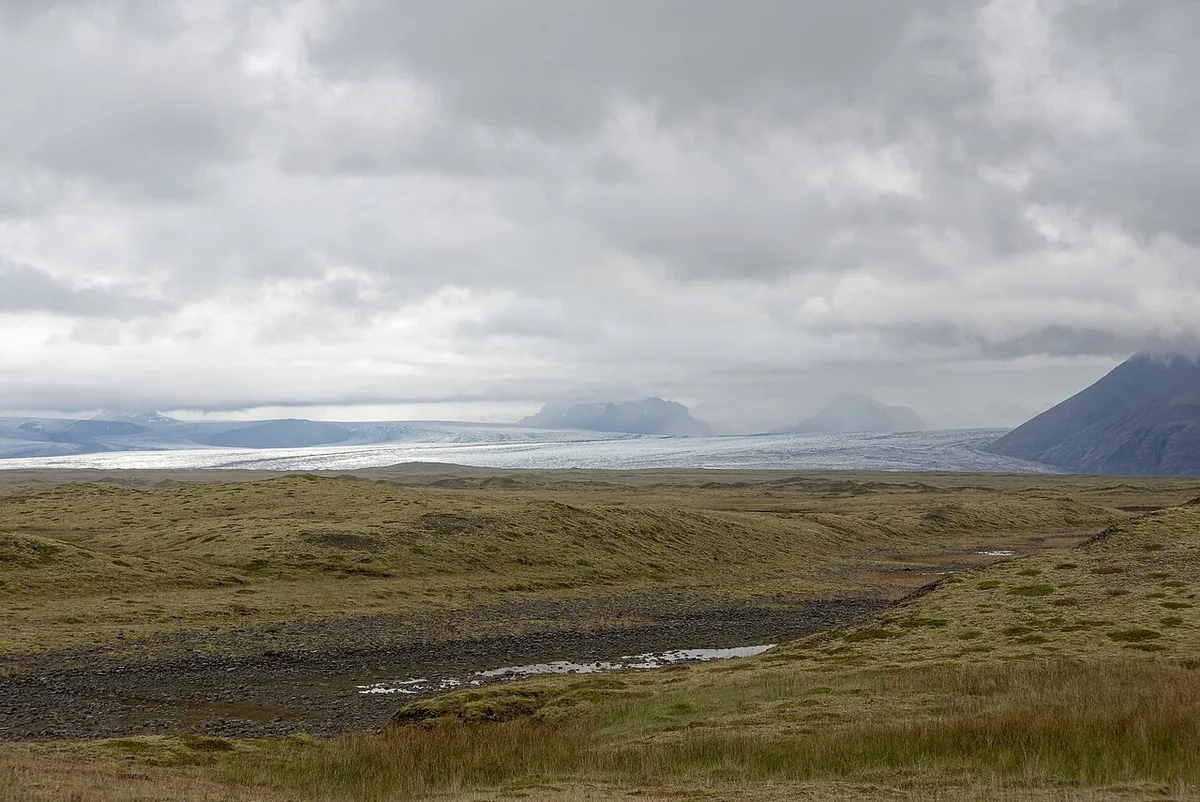
Round signs with a red border mark the legal maximum. That number stays in force until the next sign changes it. Rectangular blue signs with white numbers are different, because they advise a speed at hazards such as sharp corners, bridges and blind hills. Treat advisory numbers as a strong recommendation, since they mark spots where trouble tends to happen. Police guidance also says drivers must always adjust speed to current conditions and traffic. Before long days, open live road conditions and check wind, ice and closures.
Gravel, Single-Lane Bridges and Blind Summits
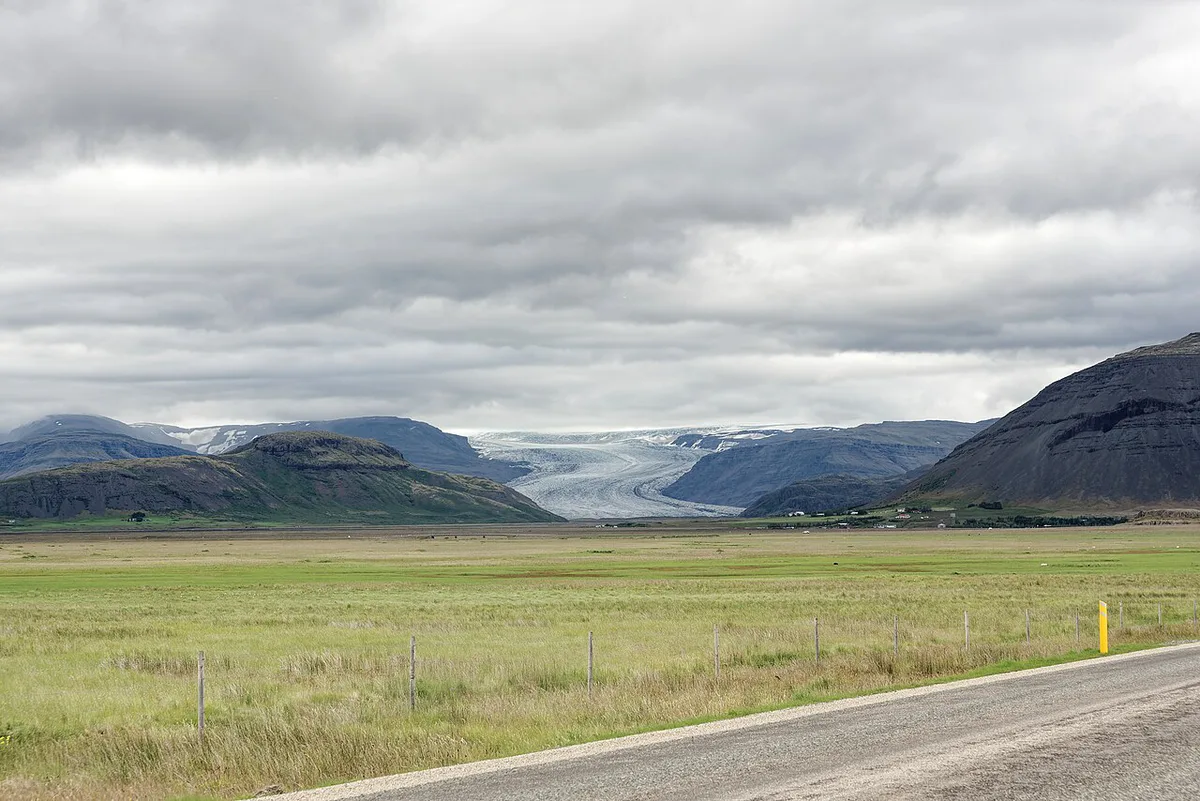
Most trouble in Iceland comes at transitions, not at top speed. Safetravel warns that tires can lose grip when pavement changes to gravel, so slow down before the transition rather than at the sign. Single-lane bridges (einbreið brú) appear on and off the Ring Road, and Safetravel gives the limit across them as 50 km/h. The car closer to the bridge has right of way. Even so, assess what the other driver intends before you cross. Blind summits (blindhæð) hide oncoming traffic until you reach the crest, so ease off early and keep right.
- Pavement turning to gravel: drop toward 80 km/h before the surface changes.
- Single-lane bridge: reach 50 km/h before the approach and be ready to stop.
- Blind summit: lift off the accelerator before the crest.
- Livestock: sheep, horses and cows graze beside the road, and a lamb often runs toward its mother.
- Wind, ice and fog: the posted limit is a fair-weather ceiling.
Ring Road (Route 1) vs F-Roads: What Limit Applies Where
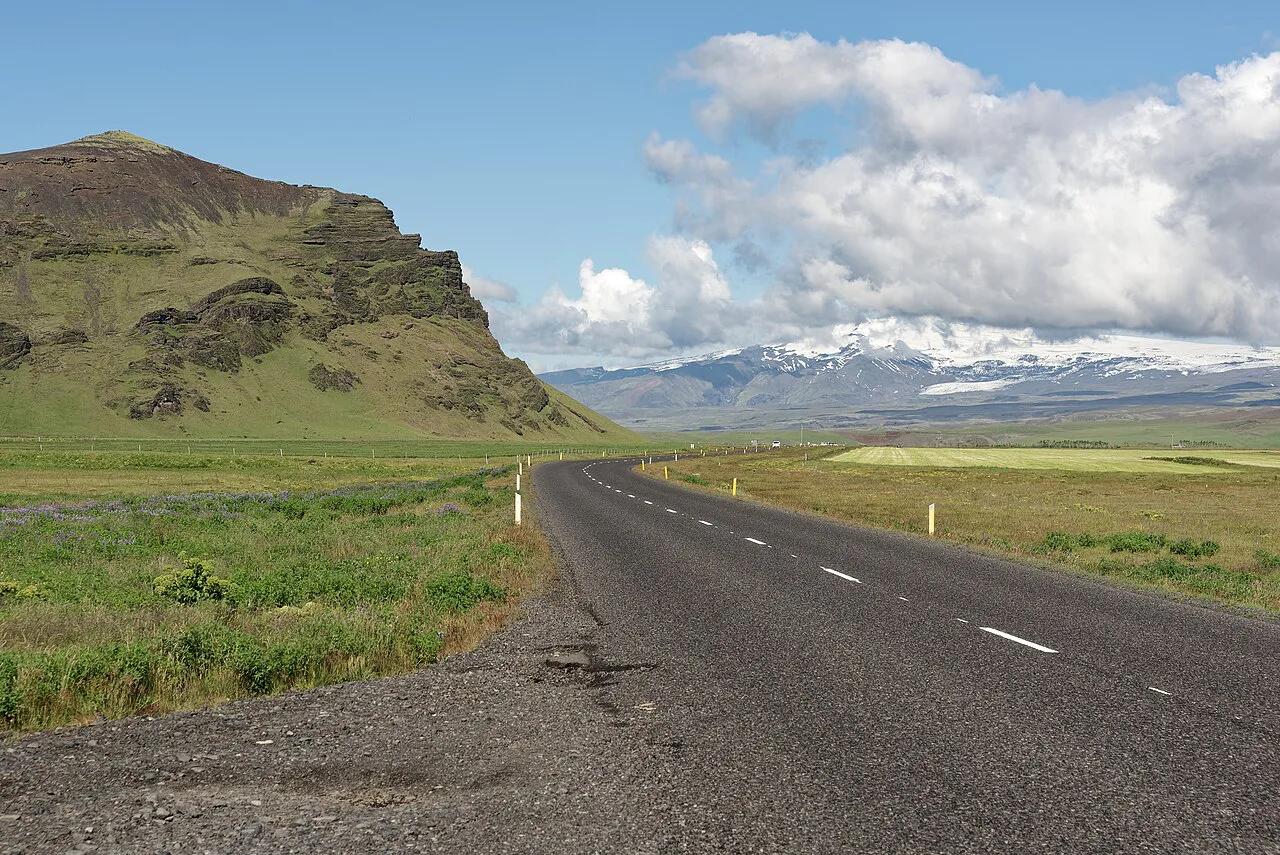
Route 1 is paved for its full length, about 1,309 km (813 miles) since the new Hornafjörður section opened in June 2026, so 90 km/h is the ceiling on open stretches where conditions allow. Towns drop to 50 km/h, and gravel side roads to 80 km/h. F-roads are highland mountain tracks, and gravel limits apply there too. In practice you will drive far slower on them. They need a 4x4, and a standard hire car is not allowed on them. Read our F-road guide before you plan a highland day. Off-road driving is illegal everywhere in Iceland and heavily fined. For vehicle and insurance questions, see Renting a Car in Iceland: Requirements, Insurance & 4x4. Travelers on wheels they sleep in should also read about a campervan in Iceland.
F-roads need a 4x4, and a standard hire car is not allowed on them, so get the F-road insurance terms in writing at pickup.
Speed Cameras and Fines for Rental Drivers
Cameras stand across the country where speeding and accidents are common, as the Icelandic Police explain. They photograph vehicles over the limit automatically. A ticket goes to the registered owner, which for a rental car is the rental company. That company pays the police, then charges your card, usually with a processing fee. Average-speed sections have run since November 2021 on Grindavíkurvegur and in the Norðfjörður tunnels, as the Icelandic government announced, so braking only at a camera will not protect you. Fines rise with your speed, and the police publish a traffic fine calculator with current amounts: using a hand-held phone while driving costs ISK 40,000, for example. Paying within 30 days earns a 25% discount. Penalty points also apply, and 12 points within three years means losing your licence. Do not rely on a tolerance buffer above the posted limit.
- Ask at pickup what administrative fee the company adds to camera fines.
- Ask how tunnel tolls are handled on your booking.
- Get F-road and gravel insurance restrictions in writing.
- Compare pickup options at Reykjavik car hire and Keflavik Airport car hire.
Why the Limits Are So Low
Iceland has almost no motorway-grade roads outside the capital region. Nearly every route is a two-lane road with oncoming traffic only a few feet away. Add gravel, single-lane bridges, blind crests, sheep and fast-changing weather, and a higher ceiling would leave no margin. European motorways often allow 120 to 130 km/h (75 to 81 mph). Iceland has no comparable roads to justify that.
Plan Realistic Drive Times
A limit is a ceiling, never a pace. Distance on a map understates drive time in Iceland, because rain, wind, gravel, bridges, sheep and photo stops all slow you down. Pull fully off the road to take pictures, as Safetravel advises. After an overnight flight, jet lag adds another risk. Safetravel flags drowsy driving and suggests resting for a few hours near the airport before you set off. Add margin for fuel too, using our fuel station planning guide on long stretches.
- Drop well below the limit in rain, fog, strong wind or ice.
- Slow earlier on gravel, even when the limit still reads 80 km/h.
- Allow extra time near farms, where livestock may cross.
- Rest before your first drive from Keflavik Airport.
- Recheck road and weather conditions each morning.
Other Rules That Catch Visitors Out
A few other rules matter as much as speed. Our full Iceland driving rules page covers them in more detail. In town centers, 50 km/h limits meet tight parking, so read Parking in Iceland: Fees, Apps and Fines before you circle.
- Headlights and taillights must be on at all times, all year. Auto settings may not be enough.
- Blood alcohol limit is 0.2‰, which means no drinking before you drive.
- In roundabouts, the inner lane has right of way when exiting, so the outer lane gives way.
- Drivers and all passengers must wear seatbelts. Children under 135 cm need a fitting car seat.
- The two tolls, the Vaðlaheiðargöng tunnel and the Ring Road section at Hornafjörður, are barrier-free and read your plate by camera, so read Toll Roads in Iceland: Do You Pay, Where, and How and pay within the deadline.
Frequently Asked Questions
How strict is the speed limit in Iceland?
Strict enough that you should treat the posted limit as firm. Cameras operate across the country, and fines rise with speed. Do not rely on any tolerance buffer.
Can I drive in Iceland with a US driver's license?
Yes. A licence issued outside the EEA is valid in Iceland for six months, and rental companies add their own age and licence-held rules. Our guide to driving in Iceland with a US license covers both.
How hard is it to drive in Iceland as an American?
Limits of 90 km/h (56 mph) feel low, but weather, gravel and single-lane bridges are the real challenge. Start with short days and rest after an overnight flight. Slow before every surface change.
Road-rule changes worth knowing
Optional updates to our guides.
You might also like
Continue reading
More guides you'll find useful