Scandinavia Road Trip: Route, Costs and Season Guide
Plan a Scandinavia road trip from Copenhagen, Oslo or Stockholm: route choice, bridge and AutoPASS tolls, ferries, hire-car options and the best season.
On this page
Last updated November 2026: the best scandinavia road trip for most drivers is a 10-day loop from Copenhagen through Gothenburg and Oslo to the western Norwegian fjords. It crosses Denmark, Sweden and Norway, uses the Øresund Bridge, and suits confident drivers who accept some long days. Plan it for next summer, because fjord ferries and mountain roads run on seasonal schedules.
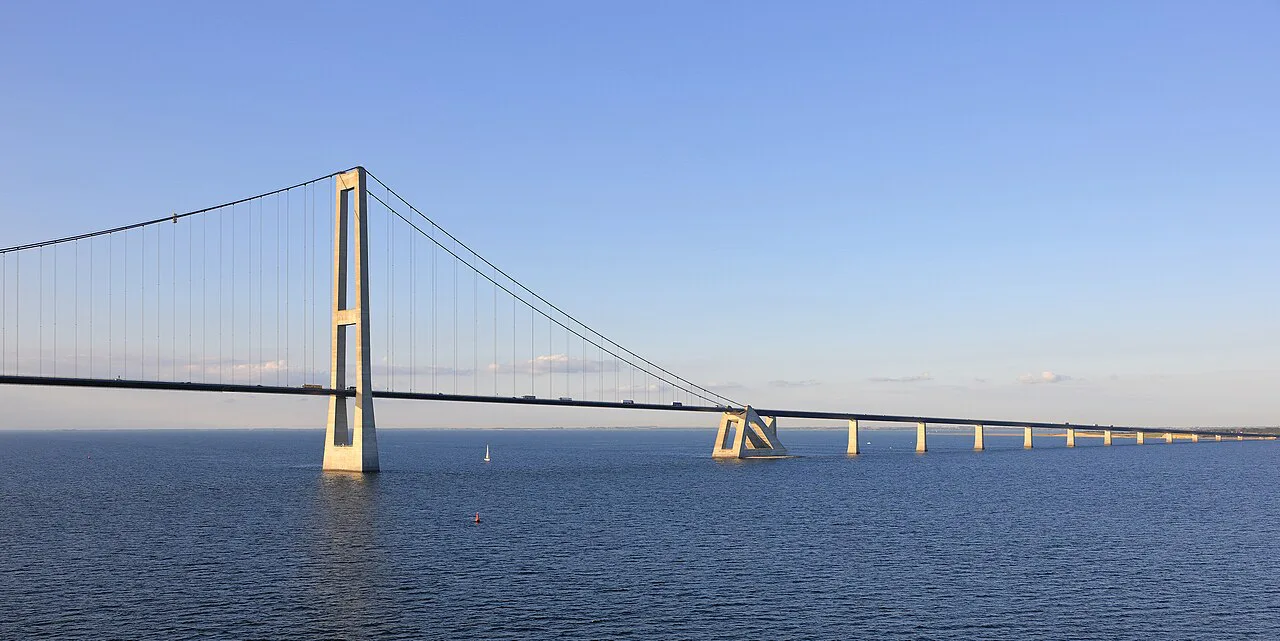
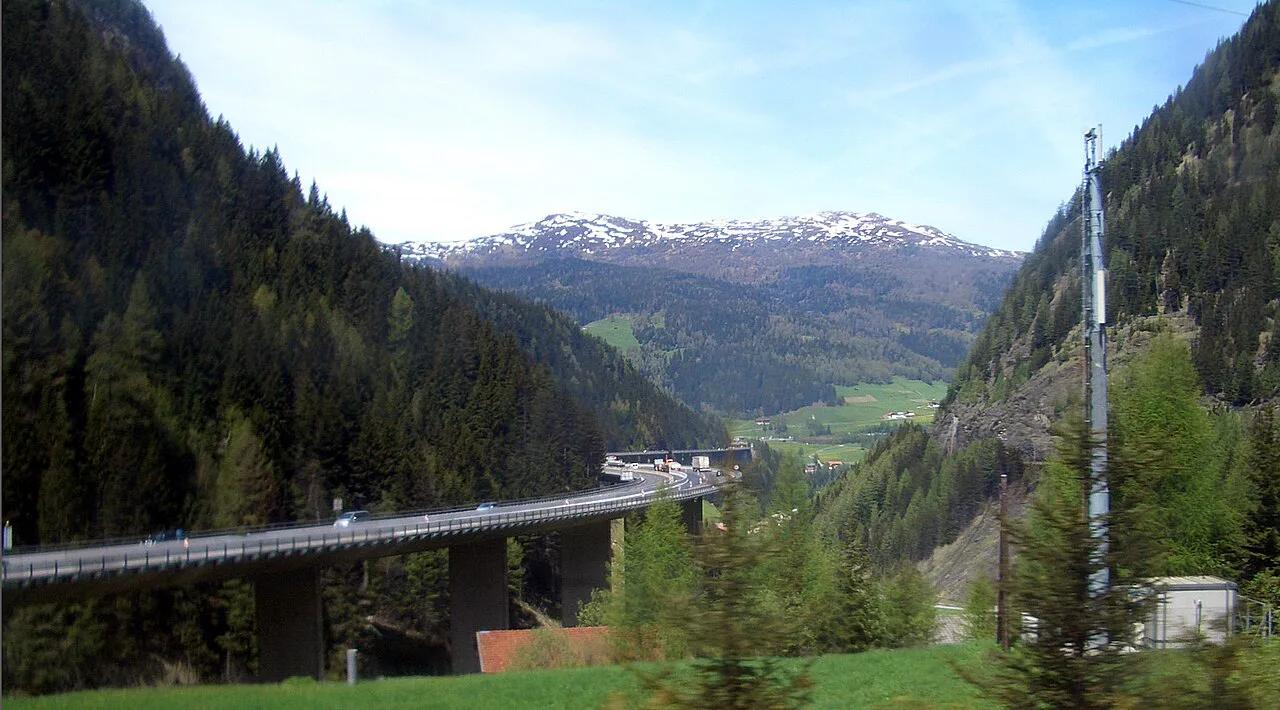
Featured image: Guy Delsaut, CC BY-SA 4.0, via Wikimedia Commons.
Scandinavia Road Trip at a Glance
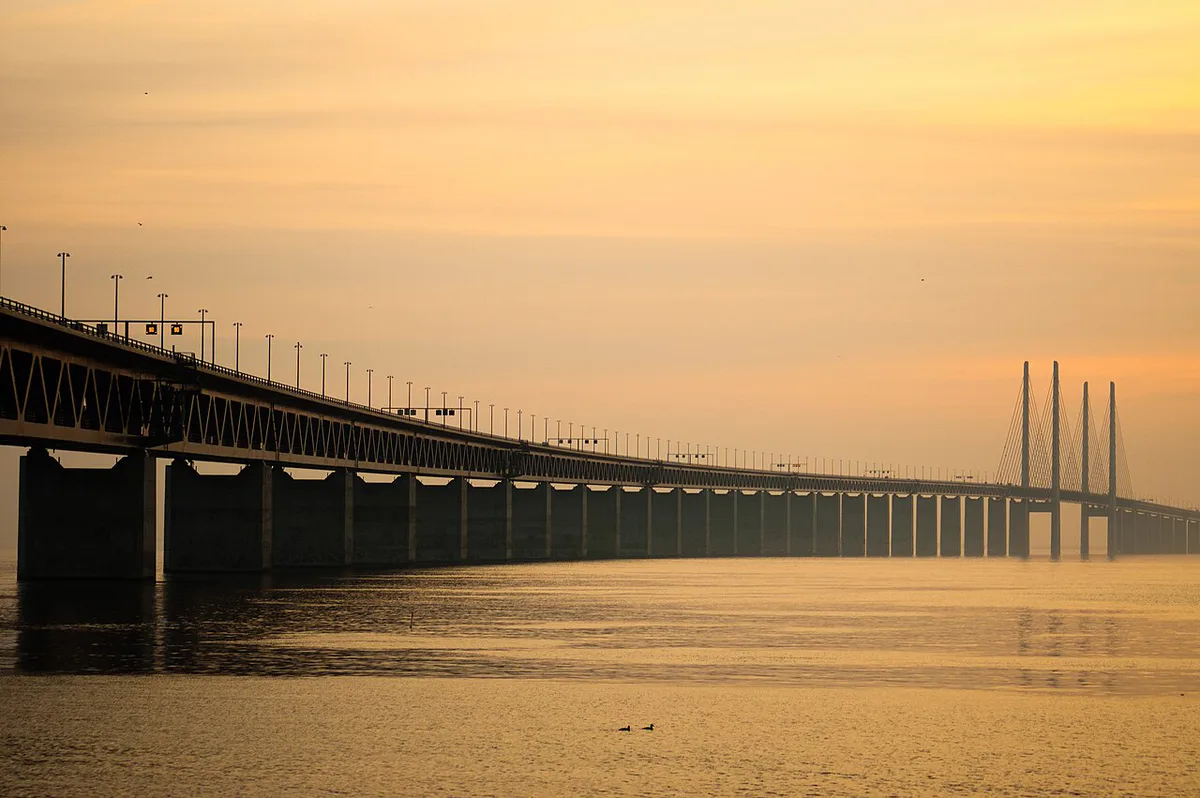
Start in Copenhagen, cross the Øresund Bridge into Sweden, and continue to Gothenburg. From there, drive to Oslo and then west into the fjords. Ten days gives you time to drive without rushing every morning. For other long drives on the continent, browse our guide to other long European drives.
- Recommended length: 10 days, with 7 as a cities-only cut and 14 as a full fjord version.
- Countries: Denmark, Sweden and Norway.
- Best season: summer for daylight and open roads, shoulder season for lower prices.
- Difficulty: moderate on motorways, demanding on narrow fjord roads and ferry days.
- Suits: confident drivers who are happy to change hotels every one to two nights.
How to Choose Your Route
Pick by trip length, season and how much driving you will tolerate. Fjord roads are slow, and ferry waits add time that a map app will not show. Cities and coast keep days short, while fjords reward patience and extra nights.
Stretching to 14 days adds a second fjord region, but still stick to one fjord base per stay.
| Trip length | Best fit | Driving tolerance |
|---|---|---|
| 7 days | Copenhagen, Gothenburg and Oslo, with a day trip rather than a fjord leg | Low to moderate |
| 10 days | Base loop with one fjord region at the end | Moderate |
| 14 days | Base loop plus a second fjord region and a slower return | High, with rest days |
Sample Route and Daily Drive Pacing
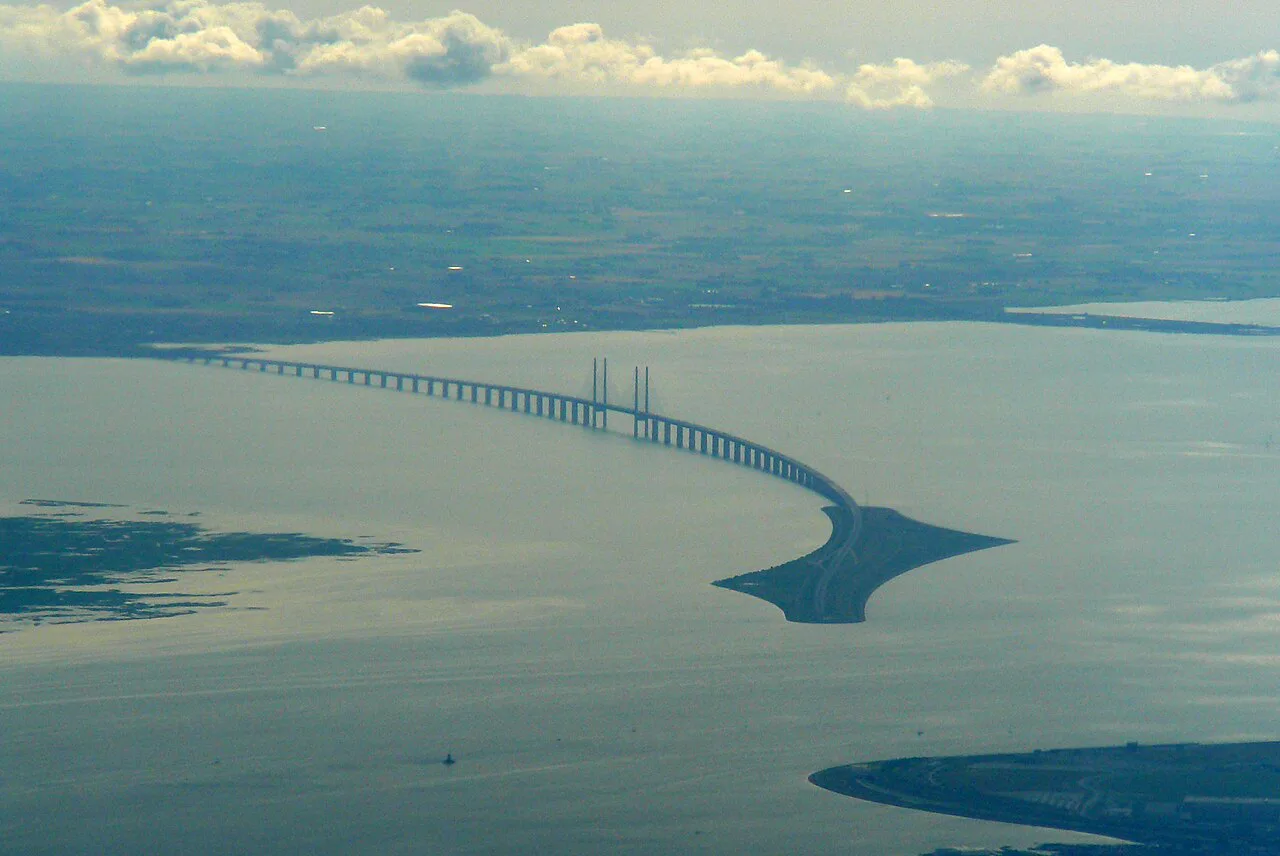
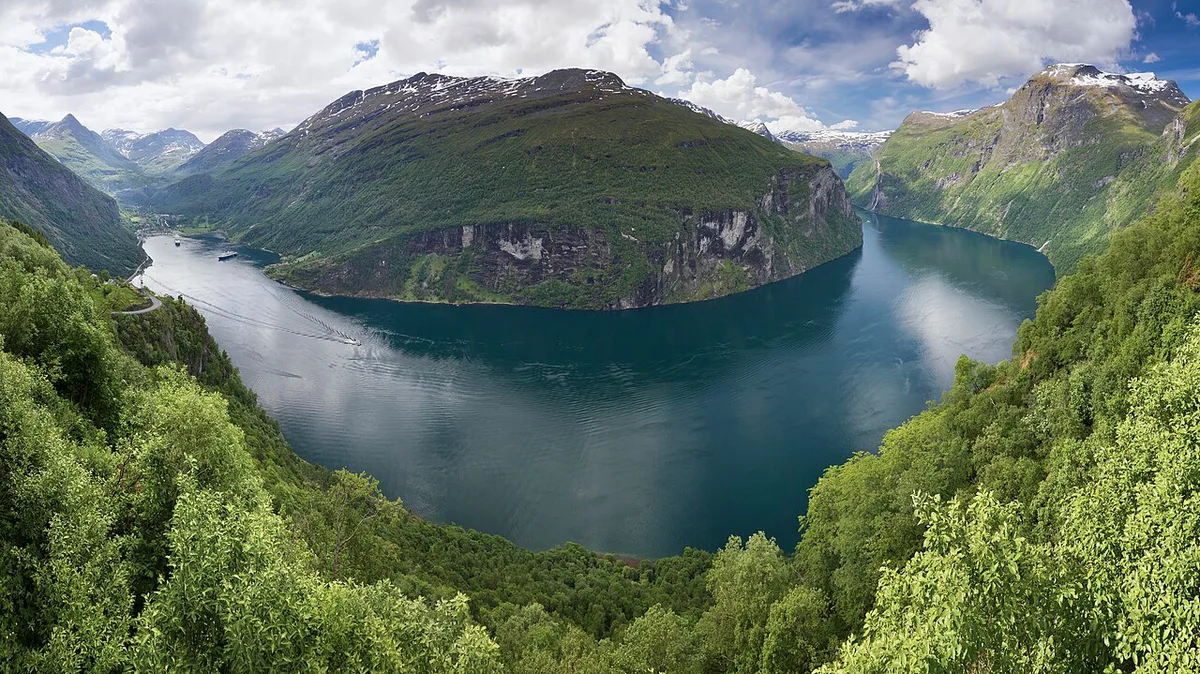
Begin with Copenhagen, where you collect the car and skip driving on day one. Drive across the Øresund Bridge to Gothenburg next. Continue to Oslo, then head west toward fjord country such as Geirangerfjord or Sognefjord. Choose one fjord base rather than chasing several. Set a daily driving cap before you book hotels, and treat it as firm. Norwegian mountain and fjord roads feel much longer than the distance suggests. Ferry queues can eat an afternoon in peak season.
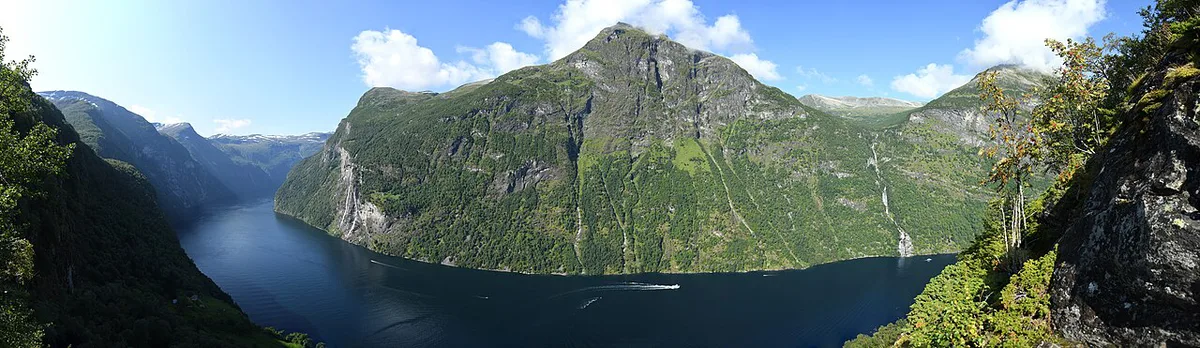
- Base loop: Copenhagen, Gothenburg, Oslo, then one fjord base and back to Oslo.
- Variation: add Jutland by crossing the Great Belt Bridge from Copenhagen, then rejoin the loop by ferry or by returning east.
- Starting in Stockholm: drive west toward Oslo, then run the same fjord section in reverse.
- Starting in Oslo: reverse the loop and finish in Copenhagen, if the one-way hire fee suits your budget.
Costs and Hidden Costs on a Scandinavia Road Trip
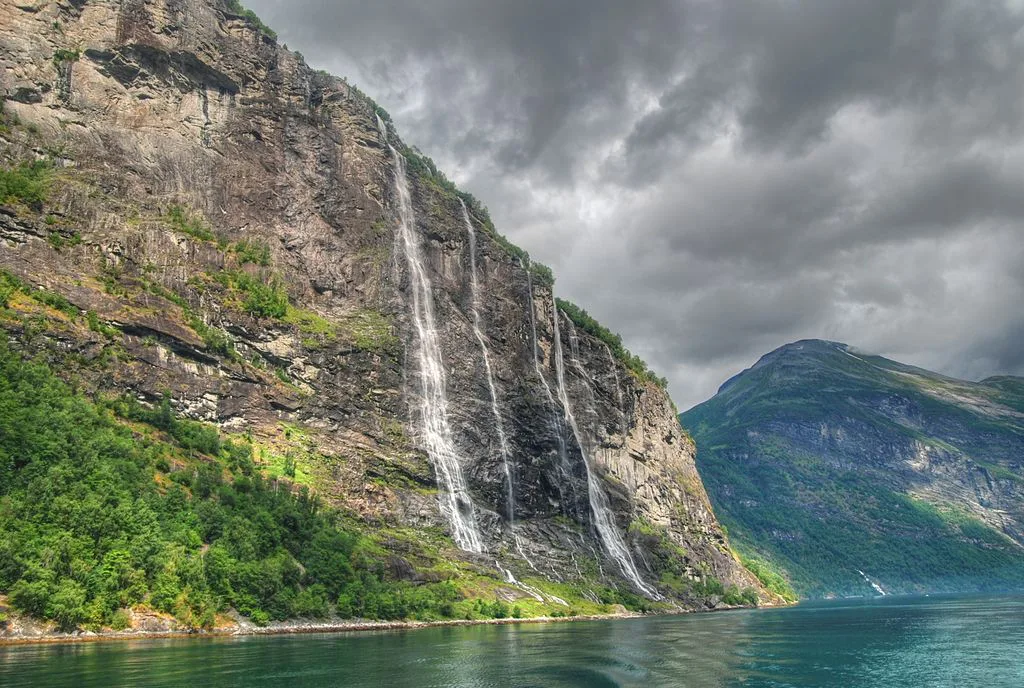
Bridges, tolls, ferries and one-way fees add up faster than fuel. Prices and rules checked November 2026 against official sources, but rates change, so use the operators for current figures. Øresundsbron publishes crossing prices for the bridge between Denmark and Sweden. The Great Belt Bridge is run by Storebælt, which lists its own tariffs. Norway uses an automated toll system called AutoPASS. Statens vegvesen explains Norwegian tolls and ferries in English. Ask your rental company how it passes toll charges on, either through a tag or a later invoice. Ferries are a major line item in Norway, and city parking in Oslo, Gothenburg and Copenhagen costs more than rural lots. A cross-border one-way hire usually adds a fee, while a loop that returns to the pickup point avoids it.
- Bridges: Øresund and Great Belt, priced by the operators.
- Norway: AutoPASS tolls plus fjord ferries.
- Rental: one-way and cross-border fees, set in your rental terms.
- Cities: hotel parking and public garages.
Hire Car vs Own Car vs Fly-and-Drive
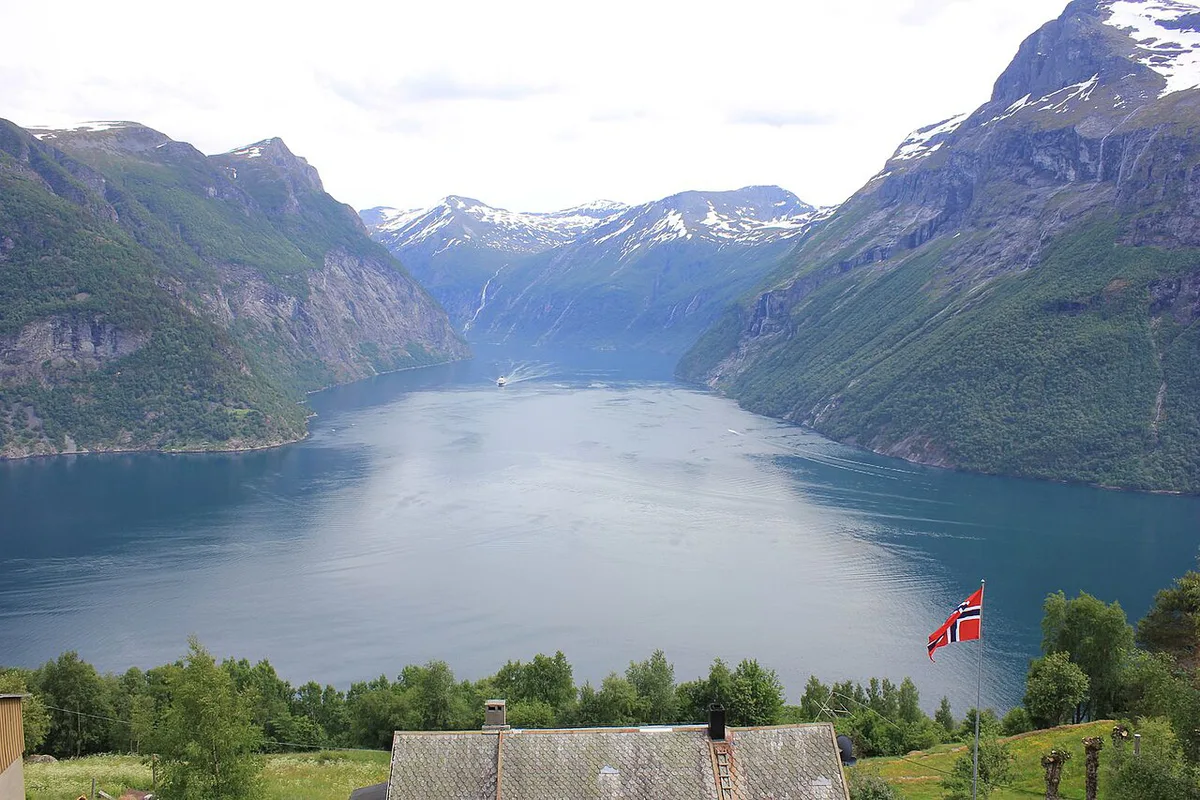
Hiring locally is simplest for most visitors. Fly into Copenhagen, Oslo or Stockholm, collect the car, and return it at the end. Driving your own car saves rental fees, but it adds long approach days and ferry costs. Arriving overland from the Netherlands or the UK works only if you have time to spare, and our guide to the Paris to Amsterdam drive shows one stage of that approach. Trains suit the long legs between cities. They give up flexibility, though, and fjord villages are hard to reach without a car.
- Hire car, round trip: lowest fees, most flexibility, least admin.
- Hire car, one way: saves backtracking, but costs more.
- Own car: cheaper per day, slower to reach the start.
- Fly-and-train for cities, car only for the fjords: fewer driving days, more transfers.
Best Time to Go
Summer brings long daylight and the widest range of open roads and ferries. It also brings crowds and higher prices, especially around the fjords. Shoulder season costs less, but some mountain roads close and some services run reduced timetables. In November 2026, the practical move is to plan for next summer and book fjord ferries and hotels early. Winter driving needs different skills, and our notes on Alpine pass driving show how seasonal closures work in a comparable setting. Look at Visit Norway, VisitSweden and VisitDenmark for current seasonal opening.
Driving Rules and Practical Checklist

Each country sets its own speed limits, alcohol limits and winter tyre rules. Learn them before you cross a border, because enforcement is strict across the region. Norway also has the heaviest ferry and toll exposure on this route. For long-term comparison with milder drives, see our pick of scenic routes elsewhere in Europe. Planning a longer Northern Europe journey? A Baltic loop makes a natural next trip.
- Road status, tolls and ferries in Norway: Statens vegvesen.
- Bridge crossings: Øresundsbron and Storebælt.
- Closures and winter rules in Sweden and Denmark: Trafikverket and the Danish road authorities.
- Rental terms: cross-border permission, one-way fees and toll handling.
- EV charging: coverage is strongest in cities, so plan fjord charging stops in advance.
- Fuel and parking: budget for both, especially in Oslo.
Who This Trip Is Not For
Skip a road trip if you want few hotel changes. Drivers who dislike narrow, winding roads will find Norway's fjord routes tiring. Trips shorter than 5 days rarely justify three countries, so pick one city and one region instead. In those cases, a base in Copenhagen or Oslo with day trips works better. When you are ready for a bigger plan, return to our hub on road trips across Europe.
Even the cities-only version runs 7 days, so anything under 5 days is too short for this route.
Road-rule changes worth knowing
Optional updates to our guides.
You might also like

Continue reading
More guides you'll find useful