Driving From Paris to Amsterdam: Route, Tolls & LEZ Rules
Drive from Paris to Amsterdam in about 5 hours. Route, tolls, fuel cost, low-emission zones, stops in Belgium and when the train is the better choice.
On this page
Last updated November 2026: driving from Paris to Amsterdam covers about 511 km in 4 h 48 min of wheel time, through France, Belgium and the Netherlands. One day is enough for most drivers, and the route reverses cleanly for Amsterdam to Paris. Our guide covers tolls, fuel, low-emission zones and stops, and it sits alongside other longer Europe road trip routes.
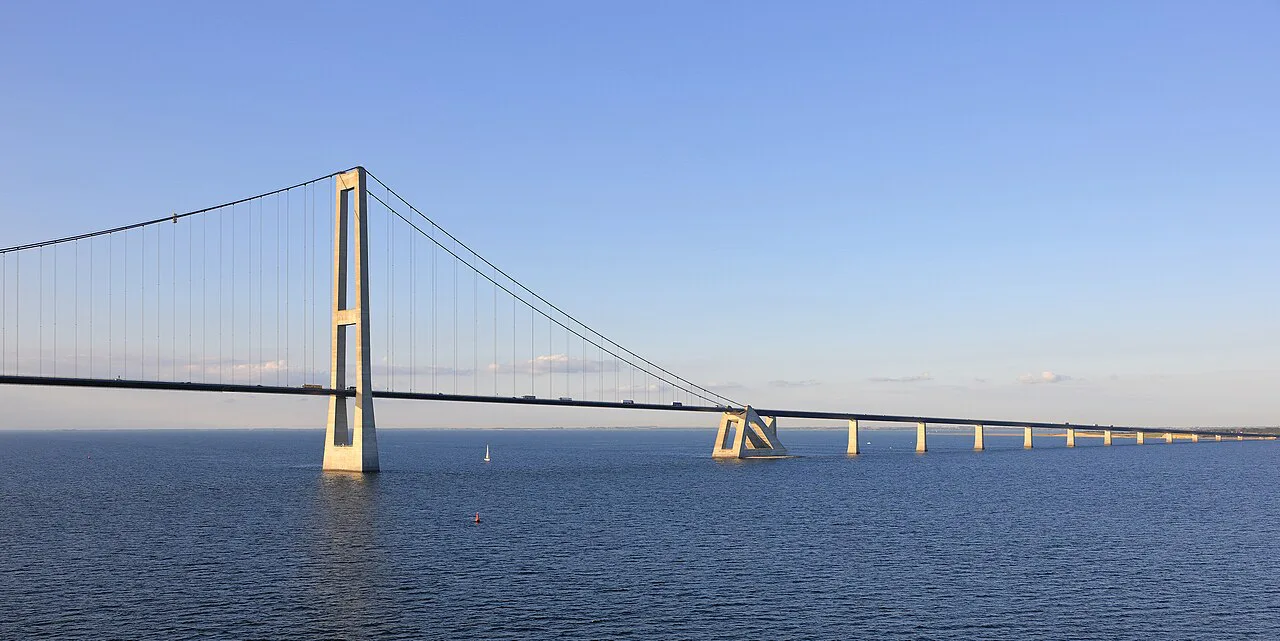
Featured image: kallerna, CC BY-SA 4.0, via Wikimedia Commons.
Quick answer: driving from Paris to Amsterdam
Plan on about 511 km on the fastest route. Pure driving time is 4 h 48 min without stops. Once you add fuel, lunch and traffic, 6 to 7 hours door to door is a sensible estimate. France accounts for about 242 km, Belgium for 150 km and the Netherlands for 119 km. A petrol car costs roughly €107 one way in fuel and tolls.
| Measure | Figure |
|---|---|
| Distance, fastest route | About 511 km |
| Driving time, no stops | 4 h 48 min |
| France leg | About 242 km |
| Belgium leg | About 150 km |
| Netherlands leg | About 119 km |
| Petrol car, fuel plus toll | About €107 |
| Diesel car, fuel plus toll | About €106 |
Should you drive or take the train?
Trains win for solo travellers going city to city. Direct services take about 3 h 20 min from centre to centre, and fares run roughly €115 to €227. Buses take about 6 h 55 min and cost roughly €32 to €58. Treat these as approximate and check the operators for current timetables. A car pays off with three or more travellers, heavy luggage, a stop in Belgium or onward travel beyond Amsterdam. If you do not need a car inside Amsterdam, the train is simpler.
| Mode | Time | Cost, one way | Best when |
|---|---|---|---|
| Car | About 5 h driving, 6 to 7 h door to door | About €107 fuel and tolls, petrol | Groups, luggage, Belgian stops |
| Train | About 3 h 20 min | Roughly €115 to €227 | Solo trips, city-only visits |
| Bus | About 6 h 55 min | Roughly €32 to €58 | Tightest budgets |
The route, country by country
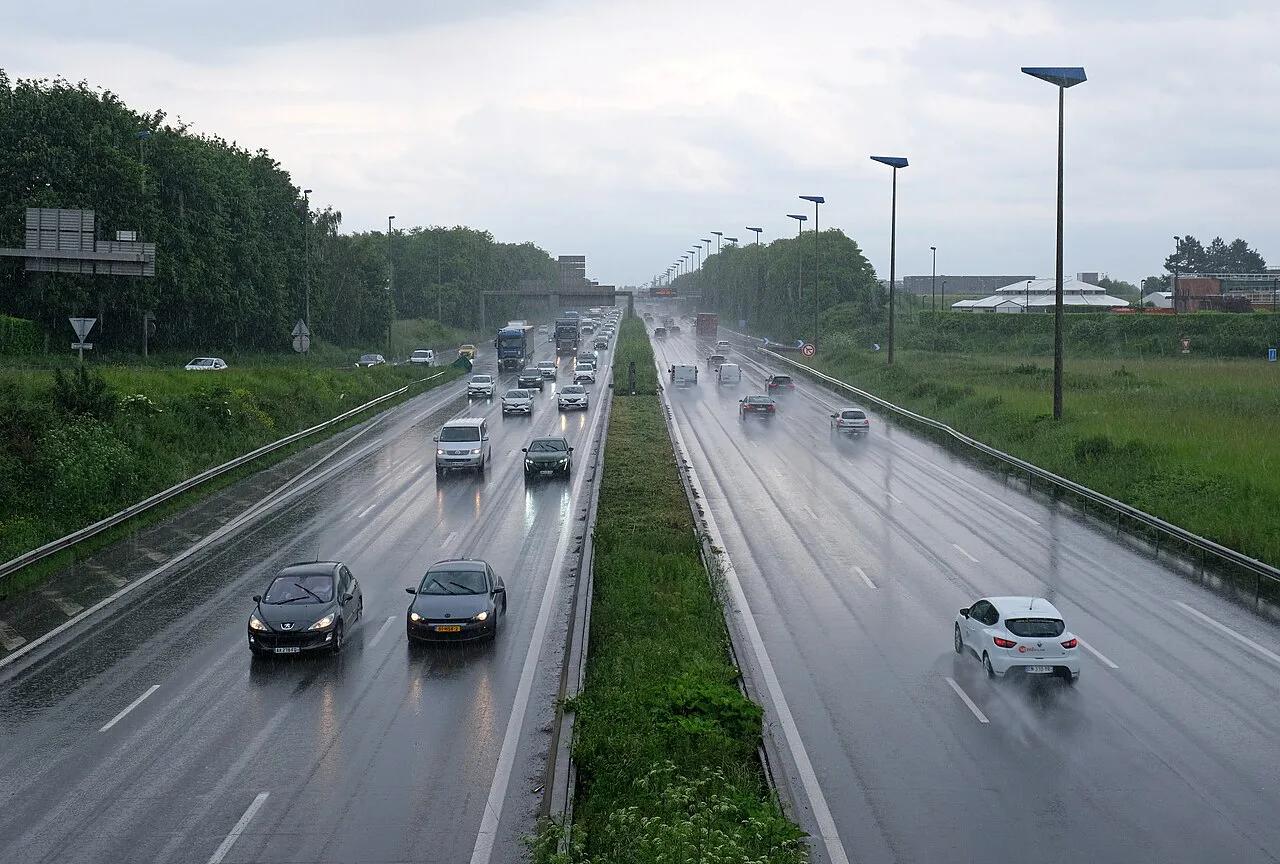
Leave Paris early and head north toward Lille on the A1. France is the longest leg at about 242 km, and it is the only one with a car toll. After the border, the E19 carries you through Belgium's free motorways for about 150 km. You then choose between two crossings. The Antwerp side keeps you on the E19 and puts MoMu and the old centre close to the road. The Brussels side suits you if you want a city stop there, but it adds ring-road traffic. Both options continue through the Breda and Rotterdam area for the last 119 km into Amsterdam.
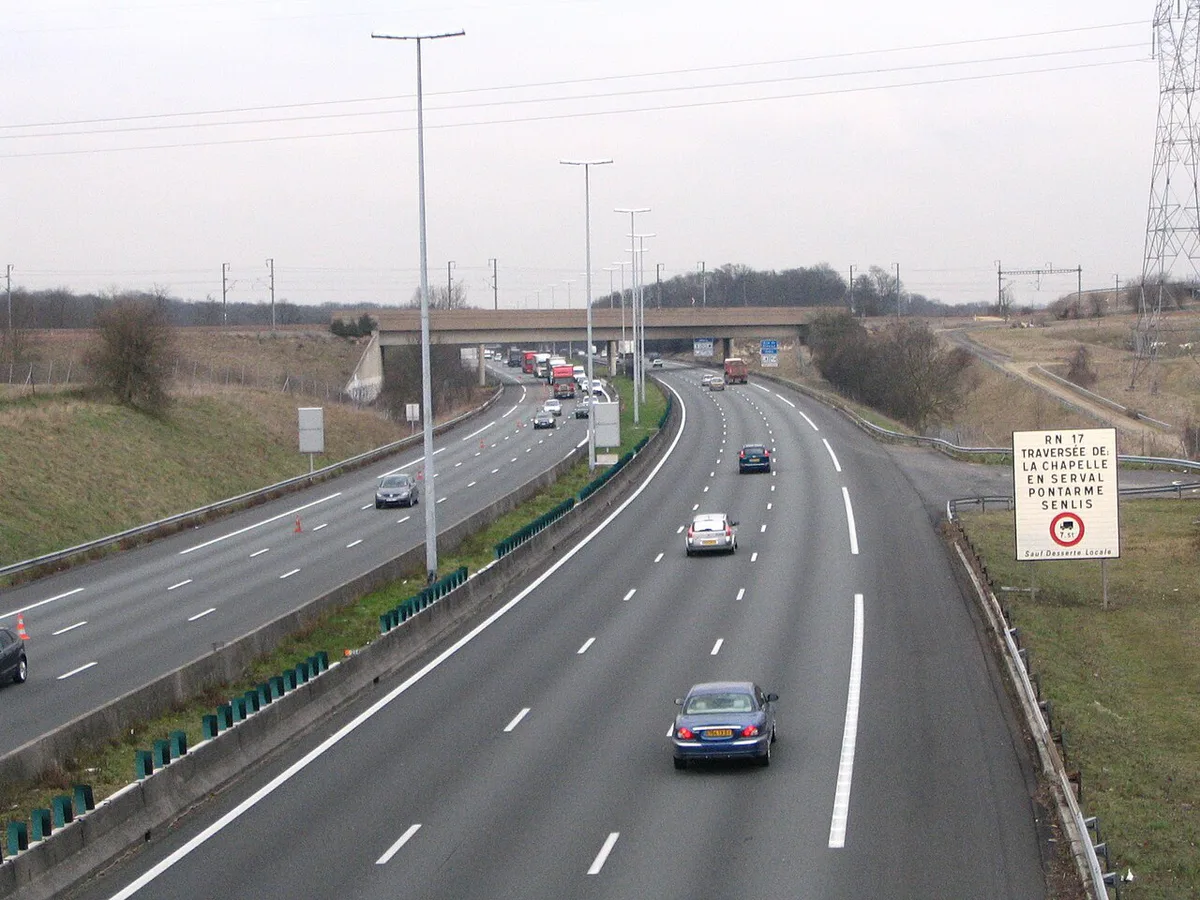
- France: Paris to the Lille area on the A1, with autoroute tolls.
- Belgium: E19 through Antwerp, or the Brussels route, with no car toll.
- Netherlands: Breda and Rotterdam, then Amsterdam, with a 100 km/h daytime limit on motorways.
Tolls, fuel and total cost
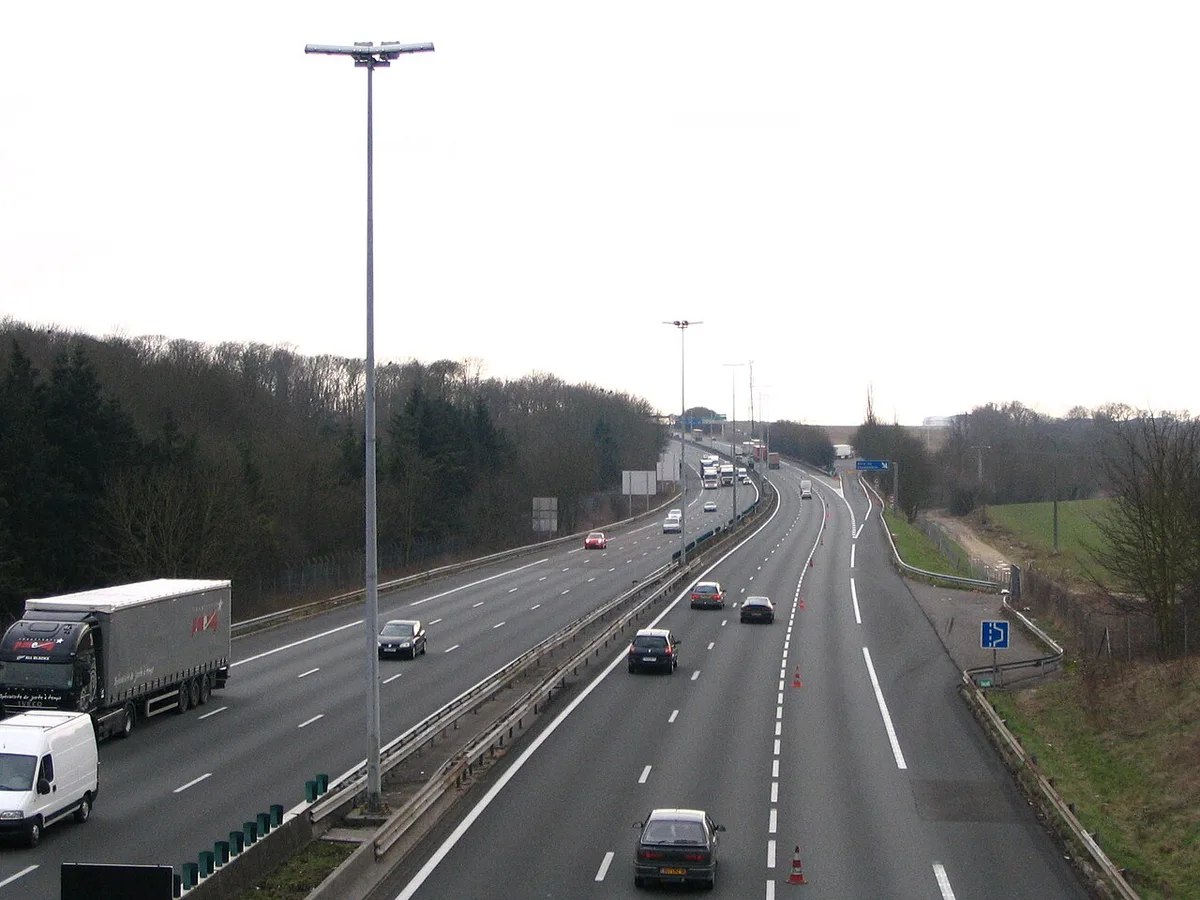
French autoroute tolls come to about €27 for a car over roughly 287 km, and the exact figure depends on your exit. Belgium and the Netherlands charge no car toll. A petrol car burns about 36 litres at 7.0 l/100 km, which puts fuel near €80. Fuel figures date from the week of 18 October 2026, so prices and hours checked November 2026 may already have shifted. Belgium had the cheapest petrol on that date, so filling there makes sense if your tank allows it.
Petrol in Belgium costs €1.99 per litre, and the motorways charge no car toll, so the crossing suits a top-up stop.
| Vehicle | Fuel | Toll | Total |
|---|---|---|---|
| Car, petrol | €80 | €27 | €107 |
| Car, diesel | €79 | €27 | €106 |
- France: petrol €2.23 per litre, diesel €2.35.
- Belgium: petrol €1.99 per litre, diesel €2.35.
- Netherlands: petrol €2.39 per litre, diesel €2.46.
Low-emission zones and rules for a foreign car
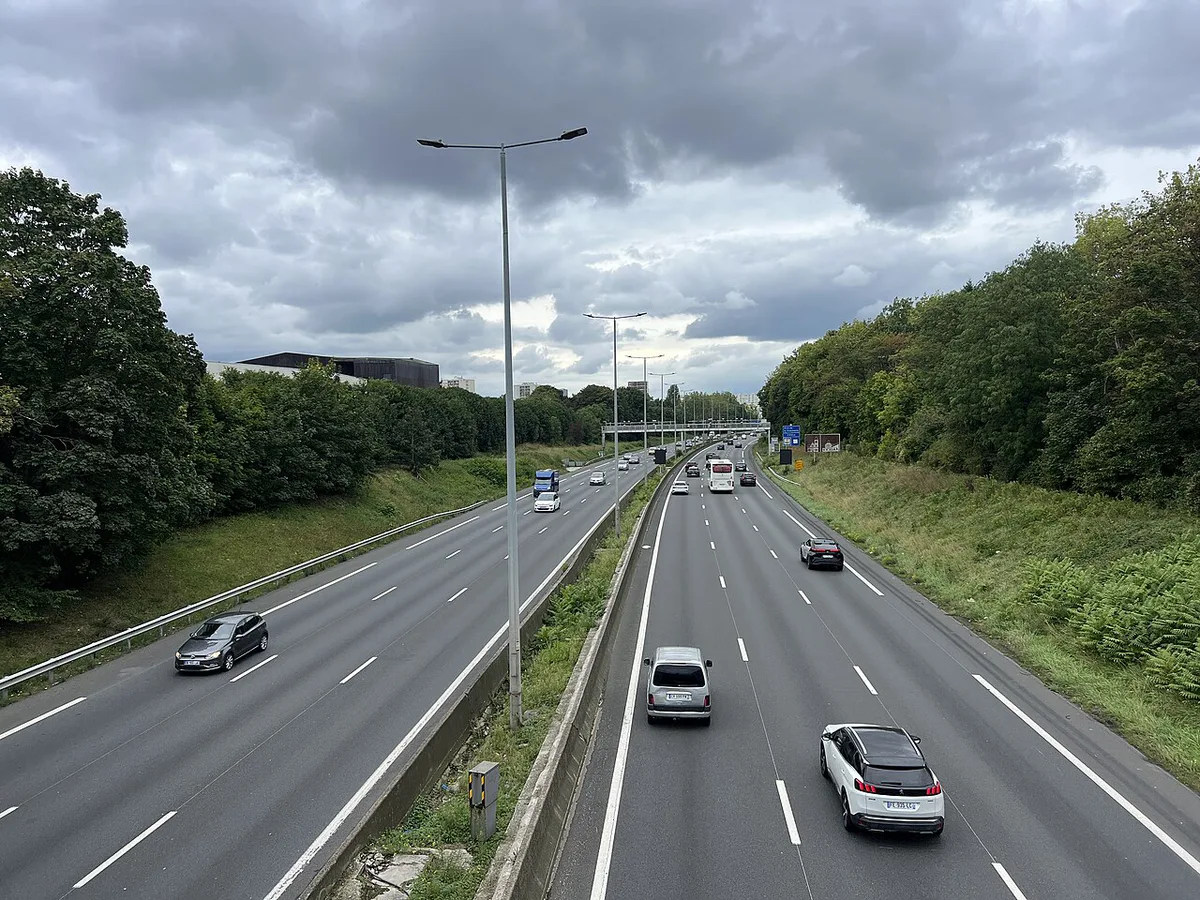
Three cities on the route run environmental zones, and older diesel and petrol cars are the ones affected. A newer rental car is usually fine, but ask the rental company to confirm. Paris requires a Crit'Air sticker if you enter its zone. Antwerp expects foreign plates to register for its LEZ or buy a day pass. Amsterdam's milieuzone targets older diesel cars and vans. Studded tyres are banned in the Netherlands. Dutch motorways carry a 100 km/h limit in the daytime. Check French speed rules on the official road safety site. For Belgian rules, Vias Institute is the road safety reference.
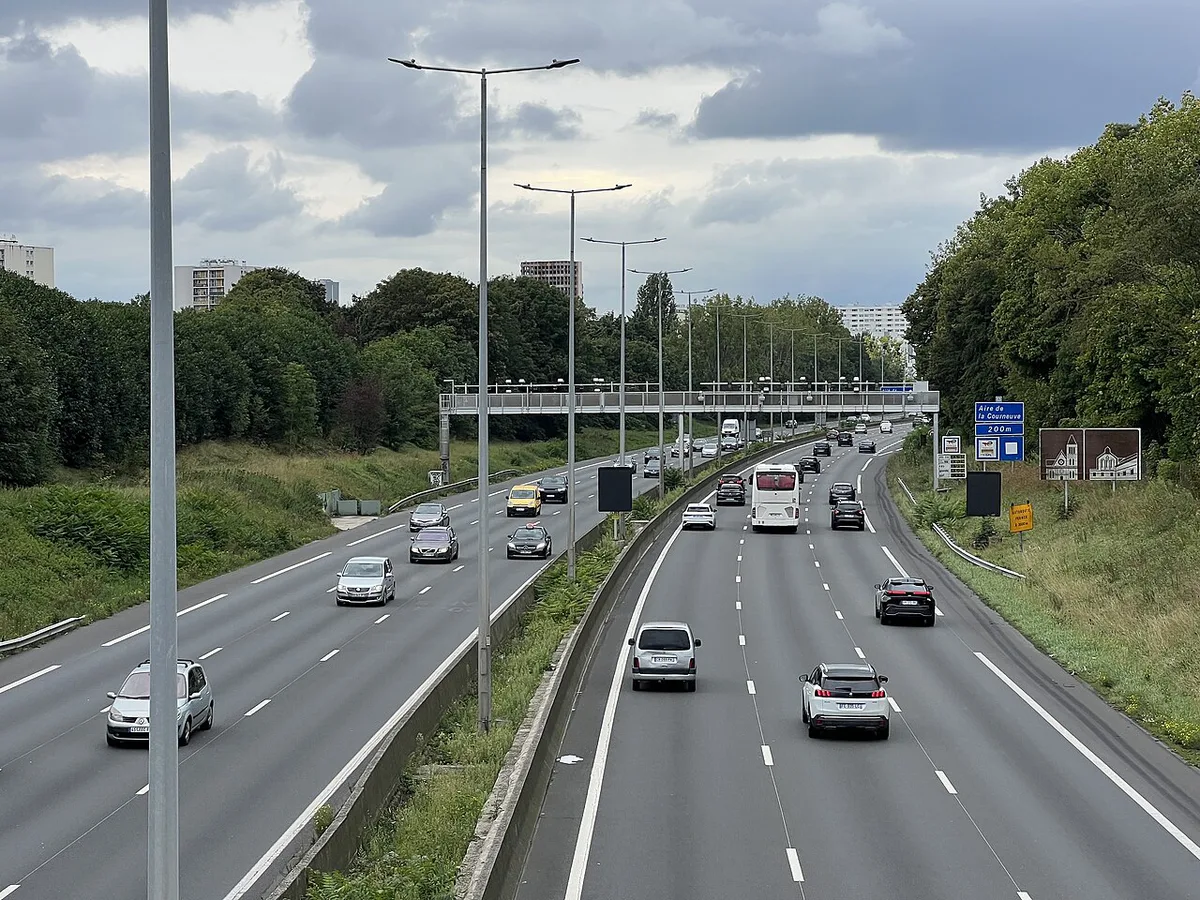
- Paris: ZFE with Crit'Air sticker, by emission class.
- Antwerp: LEZ, with registration or day pass for foreign plates.
- Amsterdam: milieuzone for older diesel cars and vans.
- Equipment: each country sets its own in-car requirements, so check before departure.
Best stops and detours
Compiègne is the first sensible break, about 82 km from Paris and 9.8 km off the road. Péronne comes next, near km 139. Antwerp's MoMu sits at about km 344 and only 2.4 km from the route. Ghent and Bruges lie off the straight corridor, so treat them as longer detours that need a separate half day. Check opening hours and tickets on each official site.
| Stop | Position on route | Distance off route | Best fit |
|---|---|---|---|
| Château de Compiègne | About km 82 | 9.8 km | Early break out of Paris |
| Historial de la Grande Guerre, Péronne | About km 139 | 5.6 km | History stop near the halfway point of France |
| MoMu, Antwerp | About km 344 | 2.4 km | Fashion museum and Antwerp stretch |
| Ghent and Bruges | Off the straight corridor | Longer detour | Overnight or extra day |
Splitting the drive: where to overnight
One day is enough for most drivers. For a split trip, Lille, Brussels or Antwerp work as midpoints. Antwerp lies at about km 344 of 511, so you finish with roughly 167 km the next morning. Campervan drivers have about 245 campsites and motorhome pitches within 10 km of the route to choose from. A camper's height and weight limits change the route to 528 km and about 5 h 06 min. The fastest car route passes 14 clearances under 3.3 m and one 3.5 t weight limit.
Campers face a longer route of 528 km, not 511 km, so plan for about 5 h 06 min instead of 4 h 48 min.
Arriving in Amsterdam: parking and the city approach
Amsterdam is the end of the 119 km Dutch leg, and the last stretch is where traffic builds. Central parking is limited, so a park-and-ride lot on the edge of the city is usually easier than driving to the canal belt. Look up the city's official parking and P+R pages for current prices before you arrive. Remember the milieuzone if your car is an older diesel. A rental car is rarely useful inside the centre, so many visitors return it on arrival.
Practical timing: when to leave and what to avoid
Avoid leaving Paris in the morning or evening rush. The Antwerp ring and the Brussels ring are the usual congestion points in Belgium, and the Amsterdam approach slows at peak hours. Sunday shopping differs by country. Belgian shops open briefly and many close another day, while Dutch supermarkets often open only from noon. For a one-way rental, check cross-border permission and drop-off fees in the terms. Coming from Britain, our guide to crossing from London to Paris by car covers the first leg. For a similar city-to-city drive, see Vienna to Prague by car. More ideas are in our scenic drives across Europe.
Frequently Asked Questions
Is there a train between Paris and Amsterdam?
Yes. Direct trains take about 3 h 20 min from city centre to city centre. Fares run roughly €115 to €227, so check the operator for your date.
Is it a good idea to rent a car in Amsterdam?
Usually not for the city centre. Parking is limited and the milieuzone restricts older diesel vehicles. A car makes more sense if you are driving on from Amsterdam or stopping in Belgium.
Road-rule changes worth knowing
Optional updates to our guides.
You might also like
Continue reading
More guides you'll find useful