Driving From London to Paris: Route, Crossing & Costs
Plan driving from London to Paris: Eurotunnel vs ferry, route and timing, tolls, UK-driver rules, and Paris parking, with trade-offs against the train.
On this page
Last updated November 2026: driving from London to Paris is easy to do in a single day, with one Channel crossing between the two halves. Your route runs from London to Folkestone or Dover, across the Channel to Calais, then down French motorways to Paris. Your main decision is the crossing, because Eurotunnel Le Shuttle and the Dover ferries behave very differently. Driving suits families, pets, heavy luggage and onward road trips, while solo city-break travellers will often find the train simpler.
Featured image: DimiTalen, CC0, via Wikimedia Commons.
Eurotunnel Le Shuttle vs ferry: choosing your Channel crossing
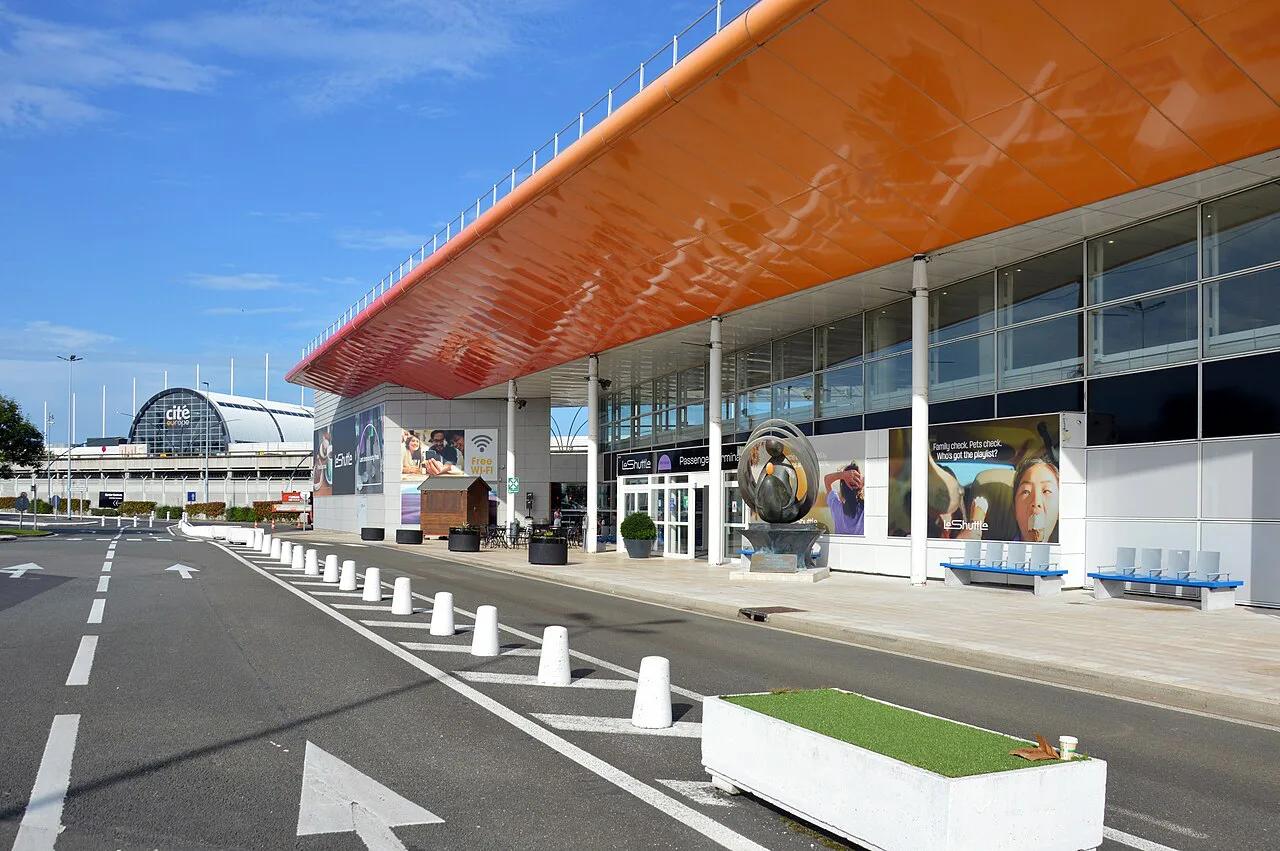
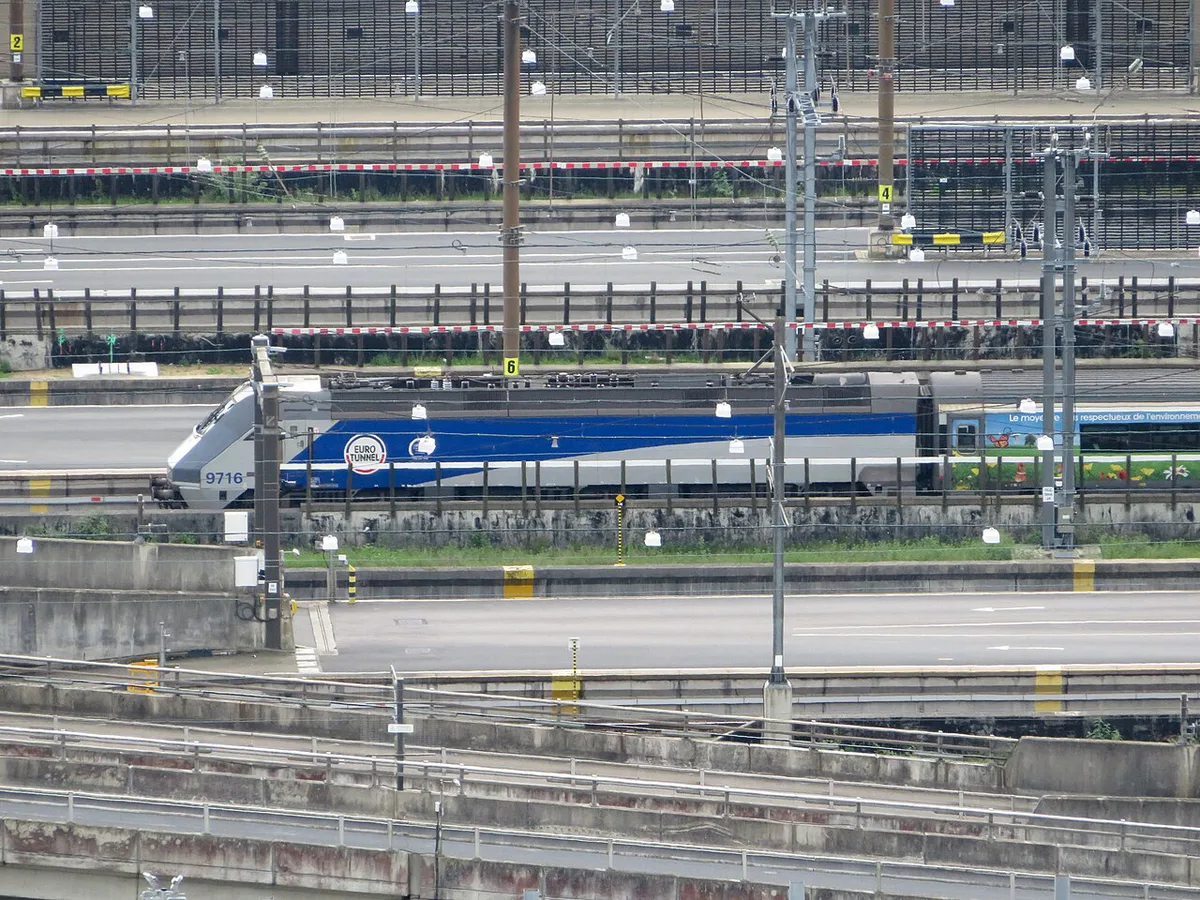
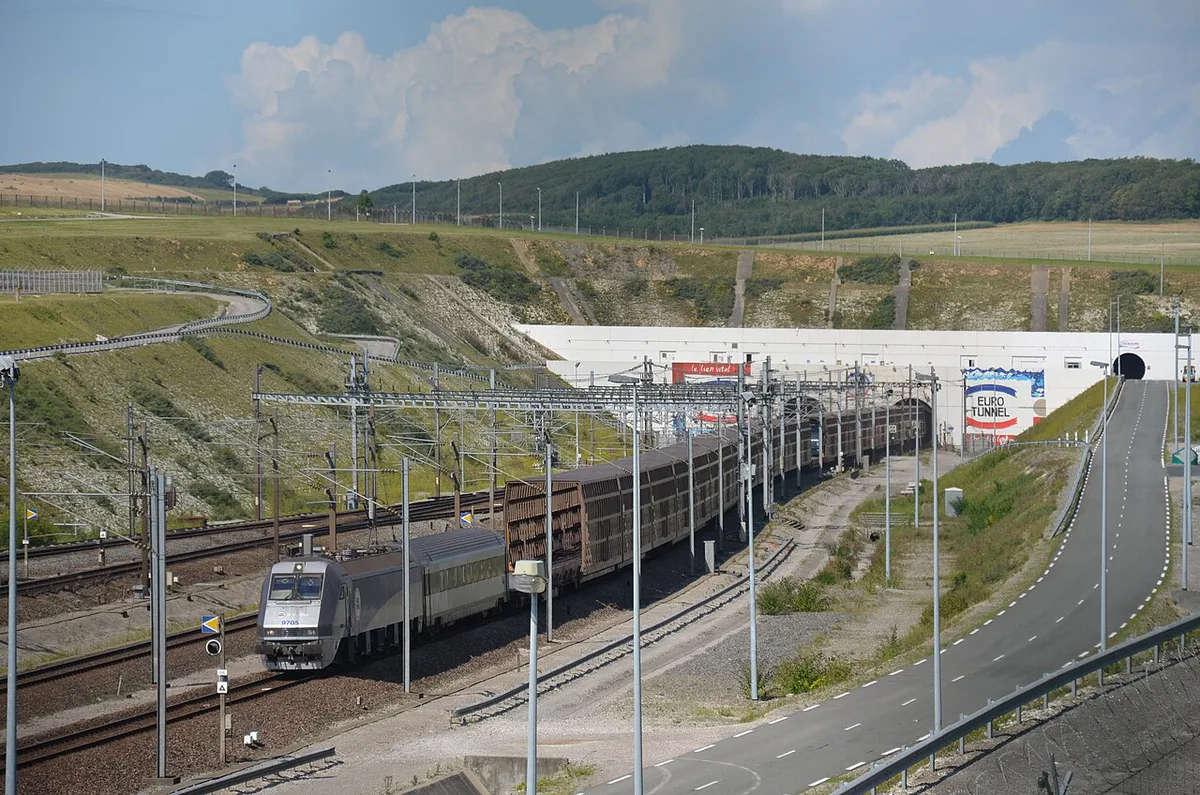
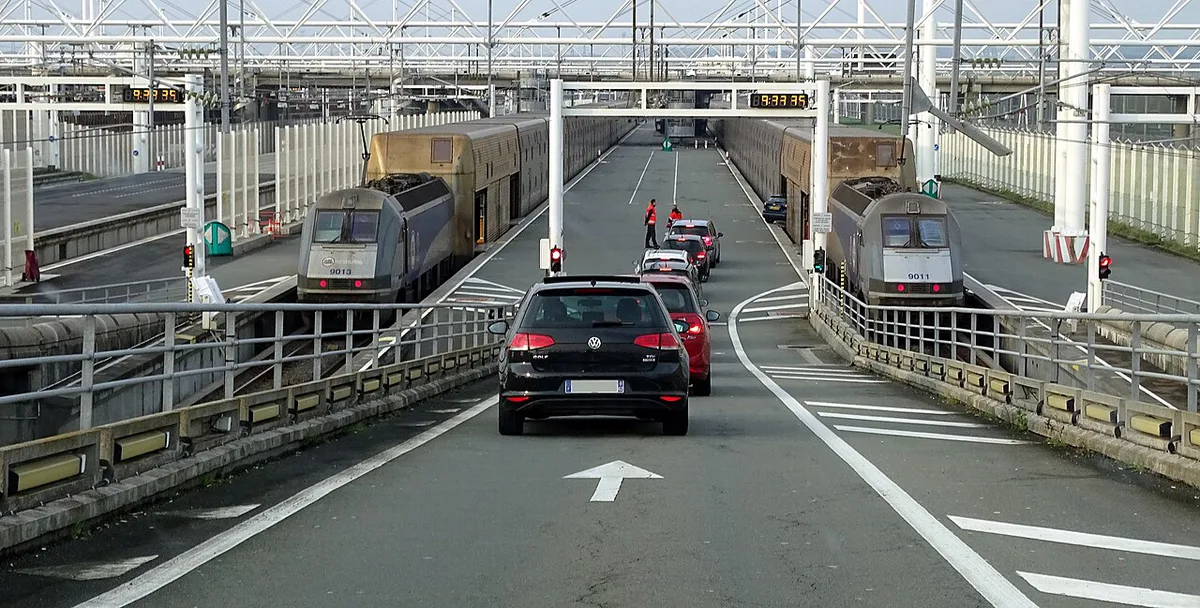
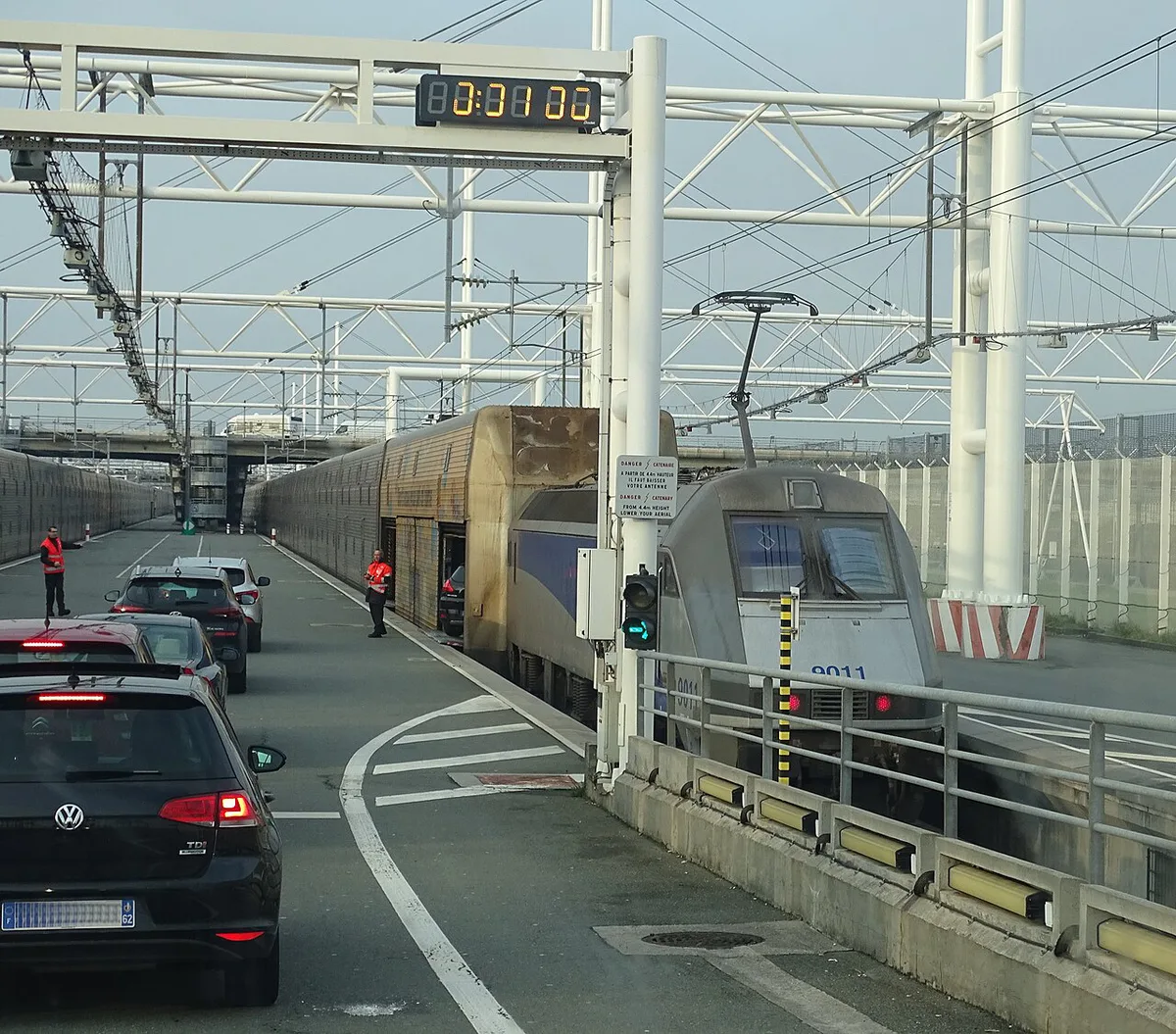
Eurotunnel Le Shuttle runs from Folkestone to Calais, and you stay in your car on a train through the tunnel. Ferries from Dover to Calais have you park on a vehicle deck, then go upstairs to a lounge or deck. Both put you on the French coast near Calais, so your drive south to Paris is identical. Fares change by date and demand, so compare live prices on the operator sites for your travel day.
| Factor | Eurotunnel (Folkestone–Calais) | Dover–Calais ferry | Newhaven–Dieppe ferry |
|---|---|---|---|
| Format | Drive onto a train and stay in your car | Park on a deck, then leave the car | Park on a deck, then leave the car |
| Check-in | Automatic number-plate check-in at the terminal | Port check-in, then passport control | Port check-in, then passport control |
| Flexibility | Usually the easiest to move to another departure | Varies by ticket type | Varies by ticket type |
| Cost level | Often pricier at peak times | Often cheaper, especially off-peak | Depends on the season |
| Best for | Pets, small children, tight schedules | Budget-minded drivers who like a break | Drivers heading for Normandy, not Calais |
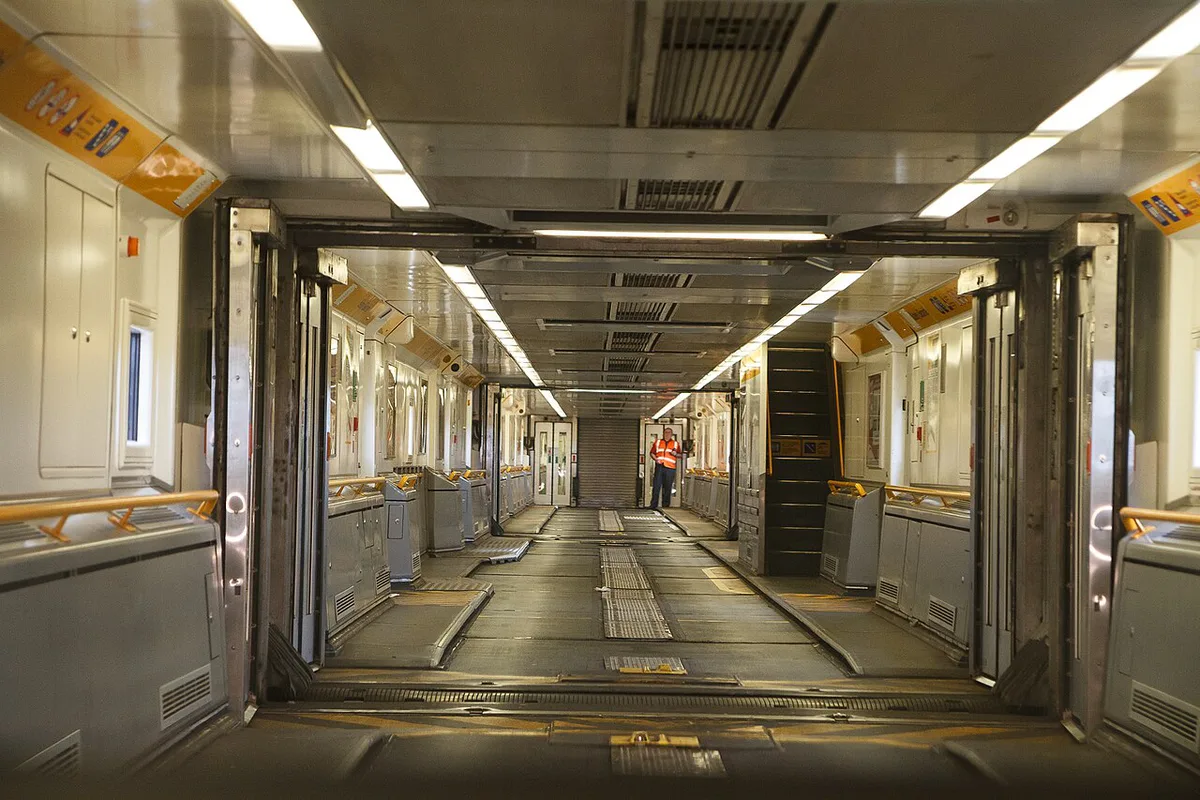
The route and a realistic timeline
Your day has three segments: London to the Kent coast, the crossing, and the run from Calais to Paris. Check your mapping app for the current distance and drive time on the day, because London traffic and Dover queues swing the total. France is one hour ahead of the UK, so your clock jumps forward when you land. Allow a buffer before check-in, since a missed departure means rebooking.
Leaving London early to beat M25 traffic buys slack, because a missed Channel departure costs you a rebooking.
- Morning: leave London early to clear the M25 and reach Folkestone or Dover ahead of check-in.
- Midday: check in, pass border control and cross the Channel.
- Early afternoon: land at Calais, set your satnav for Paris and add a fuel and food stop.
- Late afternoon: reach the Périphérique outside rush hour if you can. This sample day is illustrative, not a timetable.
Tolls, fuel and total cost
Your total has four parts: the crossing, French autoroute tolls on the Calais–Paris leg, fuel, and Paris parking. The crossing is usually the largest single item, and it moves most with the date. Autoroute tolls are paid by card or contactless at the barriers, so keep a card that works abroad within reach. Use the operator booking pages and the official French toll calculators to add up your own figure before you commit.
UK driver rules for France
France follows its own road rules, which are set out on the official French road safety site. Rules change, and entry procedures such as the EU Entry/Exit System are time-sensitive. Check gov.uk and the French sources before you travel.
- Carry your passport, driving licence, vehicle registration document and insurance papers.
- Speed limits in France are in kilometres per hour, so read your dashboard carefully.
- Fit headlight beam deflectors or adjust your lights if your car needs it for driving on the right.
- Display a UK identifier on the car as required.
- Buy a Crit'Air sticker before you reach Paris, using the official Crit'Air service.
Driving into Paris: low-emission zone, parking and whether to bring the car
Paris has a low-emission zone, and you need a Crit'Air sticker to drive inside it. Order one from the official French service ahead of time, since delivery takes days. Traffic on the Périphérique ring road is heaviest at rush hour, so time your arrival around it. Most visitors do not need a car once they are in the city, because the Métro covers the main sights.
- Drive all the way in: choose this if your hotel has its own parking and you hold a valid Crit'Air sticker.
- Park outside and use transit: choose this if you are staying a few days and only want to see the city.
Drive vs train vs fly: when driving wins
For a plain city-to-city trip, Eurostar often beats driving on time and effort, and flying adds airport transfers at both ends. Driving wins when you travel with a family, heavy luggage or a pet. It also wins if Paris is the start of a bigger trip. If you are continuing north, see our route from Paris to Amsterdam. For a longer plan, browse the 12 Best Road Trips in Europe by Season and Budget and Scenic Drives in Europe: Best Routes by Season & Driver.
Common mistakes to avoid
Most problems on this trip come from timing and paperwork, not the driving itself.
- Arriving late for check-in and losing your booked departure.
- Forgetting the Crit'Air sticker before entering Paris.
- Reaching the Périphérique at rush hour.
- Skipping headlight adjustments for driving on the right.
- Having no card that works at autoroute toll barriers.
Frequently Asked Questions
Is it possible to drive from England to Paris?
Yes. You drive to Folkestone or Dover, cross the Channel to Calais by Eurotunnel Le Shuttle or ferry, then continue by motorway to Paris.
Is there a bridge that goes from London to Paris?
No. There is no bridge across the Channel. You cross by ferry, or by train through the tunnel, either on Le Shuttle with your car or on Eurostar as a passenger.
How long is the bullet train from London to Paris?
Eurostar runs directly through the Channel Tunnel, and it is usually quicker than driving once you count check-in and traffic. Check the operator's current timetable for the exact journey time.
Road-rule changes worth knowing
Optional updates to our guides.
You might also like
Continue reading
More guides you'll find useful