
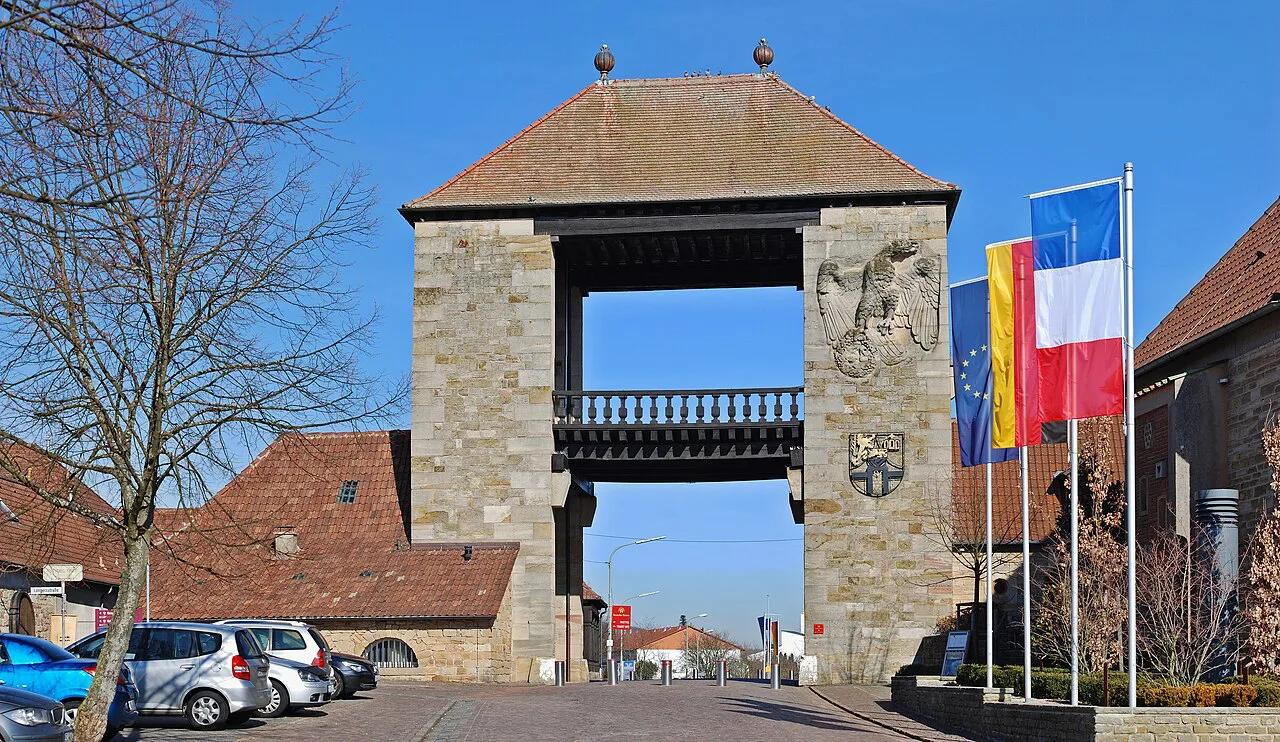
German Wine Route (Deutsche Weinstraße): Which to Drive
Plan the German wine route: what the Deutsche Weinstraße is, how it compares with Rhine, Mosel and Ahr, and how to time, drive and cycle it.
On this page
Last updated November 2026. The German wine route usually means the Deutsche Weinstraße in the Palatinate (Pfalz), which runs from Schweigen-Rechtenbach on the French border to Bockenheim. Searchers also use the phrase for Rhine, Mosel and Ahr wine travel, so this guide helps you choose between them. It then covers timing, tastings, getting around and how to fold a wine stop into a longer drive.
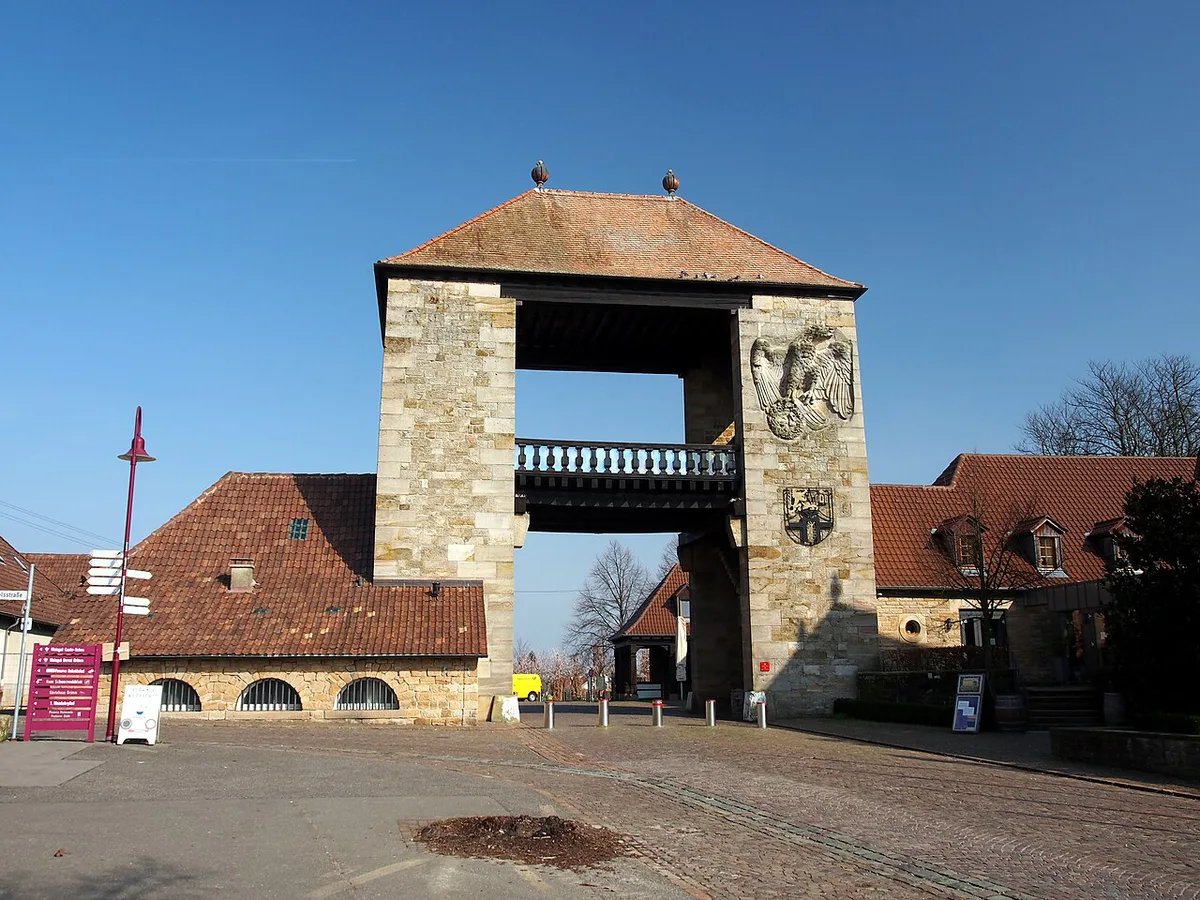
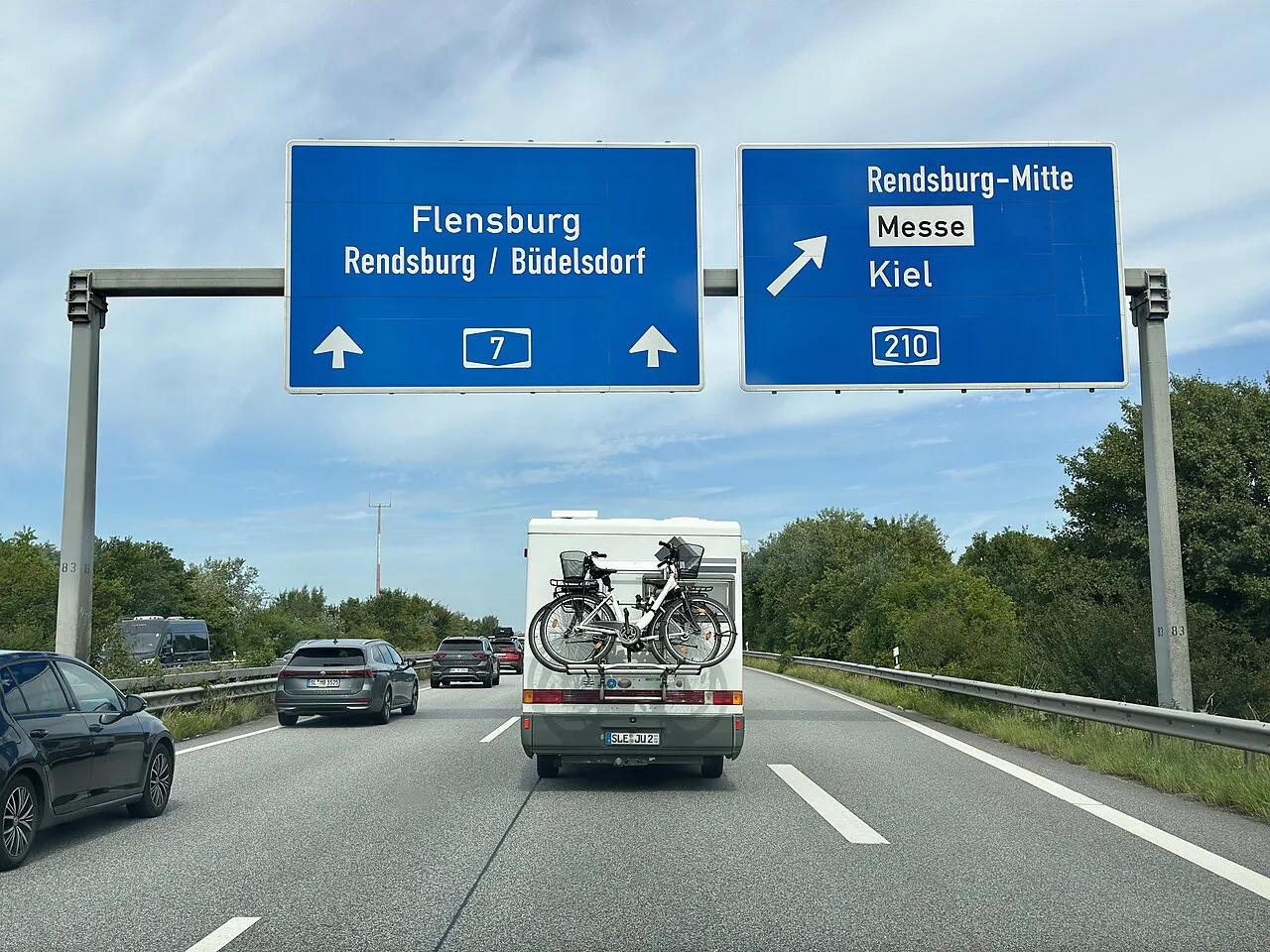
Featured image: Felix König, CC BY 3.0, via Wikimedia Commons.
What the German Wine Route Is (and Which One You Want)
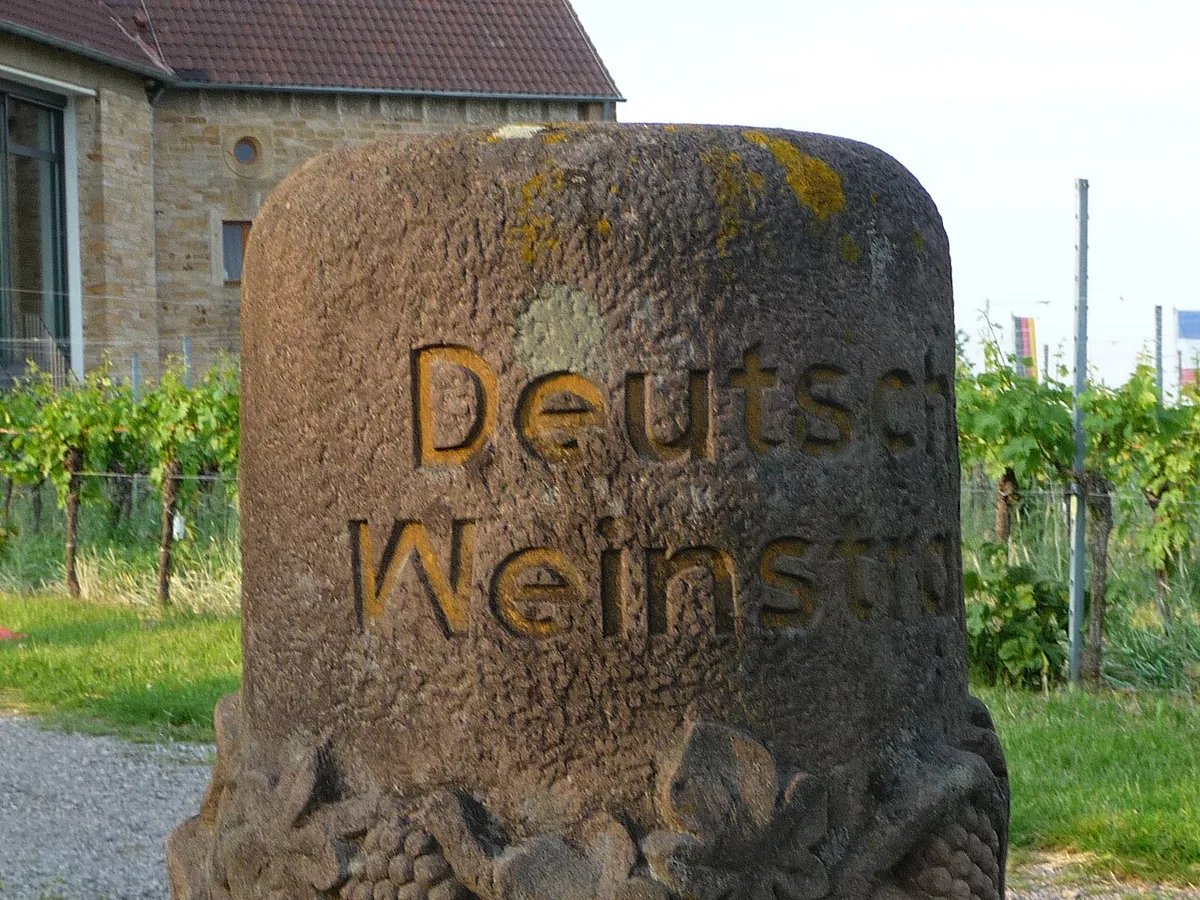
The Deutsche Weinstraße is the route most people mean. It starts at Schweigen-Rechtenbach on the French border and ends at Bockenheim. Along the way it passes Bad Dürkheim, Neustadt an der Weinstraße and Deidesheim. Regional details are on the Palatinate tourism site. Germany has 13 wine regions, and the other names below are separate regions with their own character. Pick the row that matches your trip.
Among Germany's 13 wine regions, the Rhine is the easiest to cover without a car.
| If you want | Choose | Why |
|---|---|---|
| Village-hopping by car, relaxed pace | Deutsche Weinstraße (Pfalz) | One signed route linking wine towns from the French border north |
| Castles and easy train links | Rhine | Rüdesheim and Bacharach are the usual bases |
| Steep slate vineyards and quiet river towns | Mosel | Bernkastel-Kues, Cochem and Traben-Trarbach |
| Red wine and walking | Ahr | Rotweinwanderweg trail |
Route Comparison: Deutsche Weinstraße vs Rhine vs Mosel vs Ahr
Each region trades something off. The Pfalz suits a car and a flexible day. The Rhine is the easiest without a car. The Mosel rewards slow river driving. The Ahr is best on foot. Use this table to compare them.
Walking the Ahr means working around conditions changed by the 2021 flood, so confirm trails before you go.
| Route | Character | Wine style | Best for | Car-free? |
|---|---|---|---|---|
| Deutsche Weinstraße (Pfalz) | Village-to-village drive through vineyards | Riesling is the headline grape | First-time road trippers | Partly; rail reaches towns such as Bad Dürkheim, then bus or taxi |
| Rhine | Wide river, grand castles | Dry Riesling; Spätburgunder in warmer areas | Castle-hopping and variety | Yes, frequent train links between towns |
| Mosel | Steep vineyards, winding river | Light, delicately sweet Riesling | Wine purists and quiet escapes | Possible with river cruises, boats and local trains |
| Ahr | Red-wine valley | Spätburgunder (Pinot Noir) | Walkers | Trail-based; check current trail status |
How to Plan Your Time on the German Wine Route
Treat the route as a string of stops, not one continuous drive. Stops matter more than kilometers. The usual problem is too many tastings and one driver. Share the driving, hire a local guide or swap the car for a bike or train hop.
- One day: base yourself near Frankfurt (FRA) and choose one or two towns, such as Bad Dürkheim and Deidesheim. Do not try the full route.
- Two to three days: drive south through Bad Dürkheim, Deidesheim and Neustadt an der Weinstraße. Sleep at a winery guesthouse.
- Four or more days: add the southern end near Schweigen-Rechtenbach and the northern end at Bockenheim. Or add a second region such as the Rhine.
Best Time to Go
Late September to October is harvest. Expect lively village festivals, but also crowds and tight lodging, so book early. Spring brings vine growth and fewer visitors. Winter has Christmas markets, though some small estates shorten hours. Festival dates change each year, so check the local tourism calendar for 2026 and 2027 before you lock in a weekend.
Costs, Tastings and Opening Hours
Prices and hours change by estate, so no single figure covers the route. Budget for tasting fees, lodging, parking and fuel or rail tickets. Family estates often close at lunchtime and keep limited hours, so call ahead. Reservations matter most in harvest. Small tasting rooms may not take cards, so carry some euros.
Getting There and Getting Around
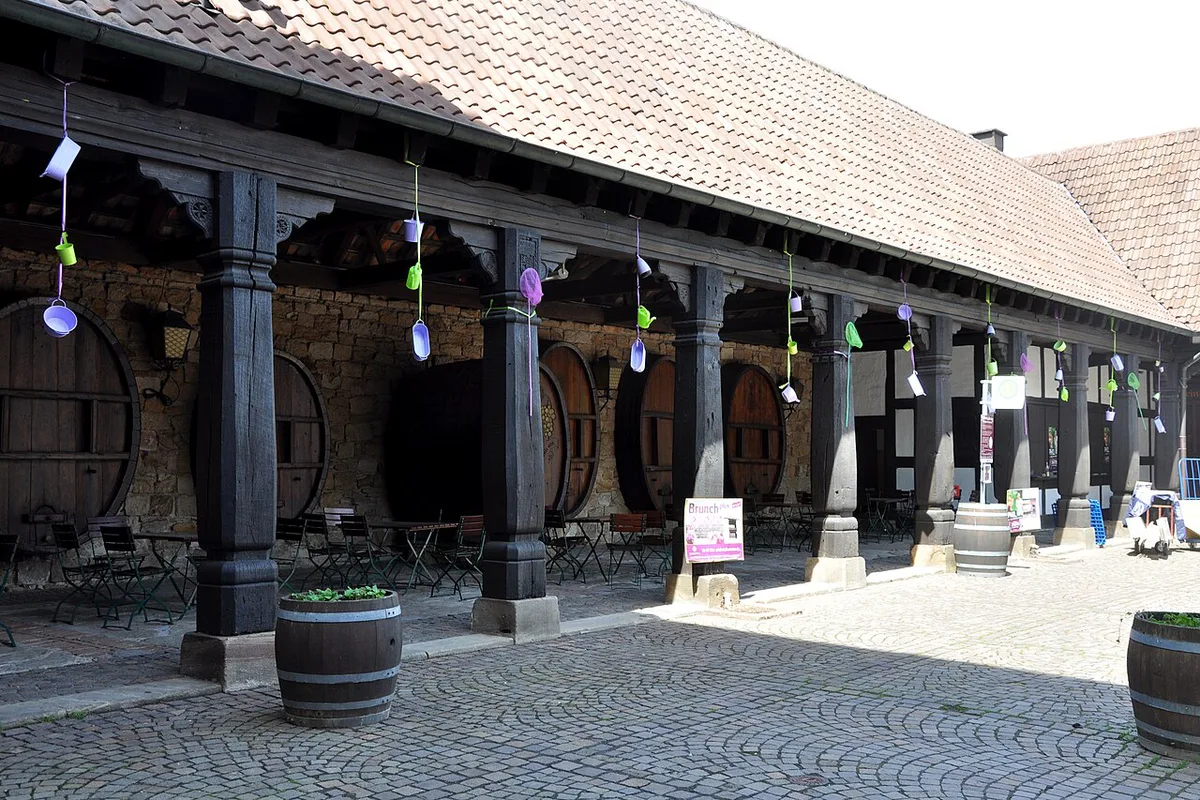
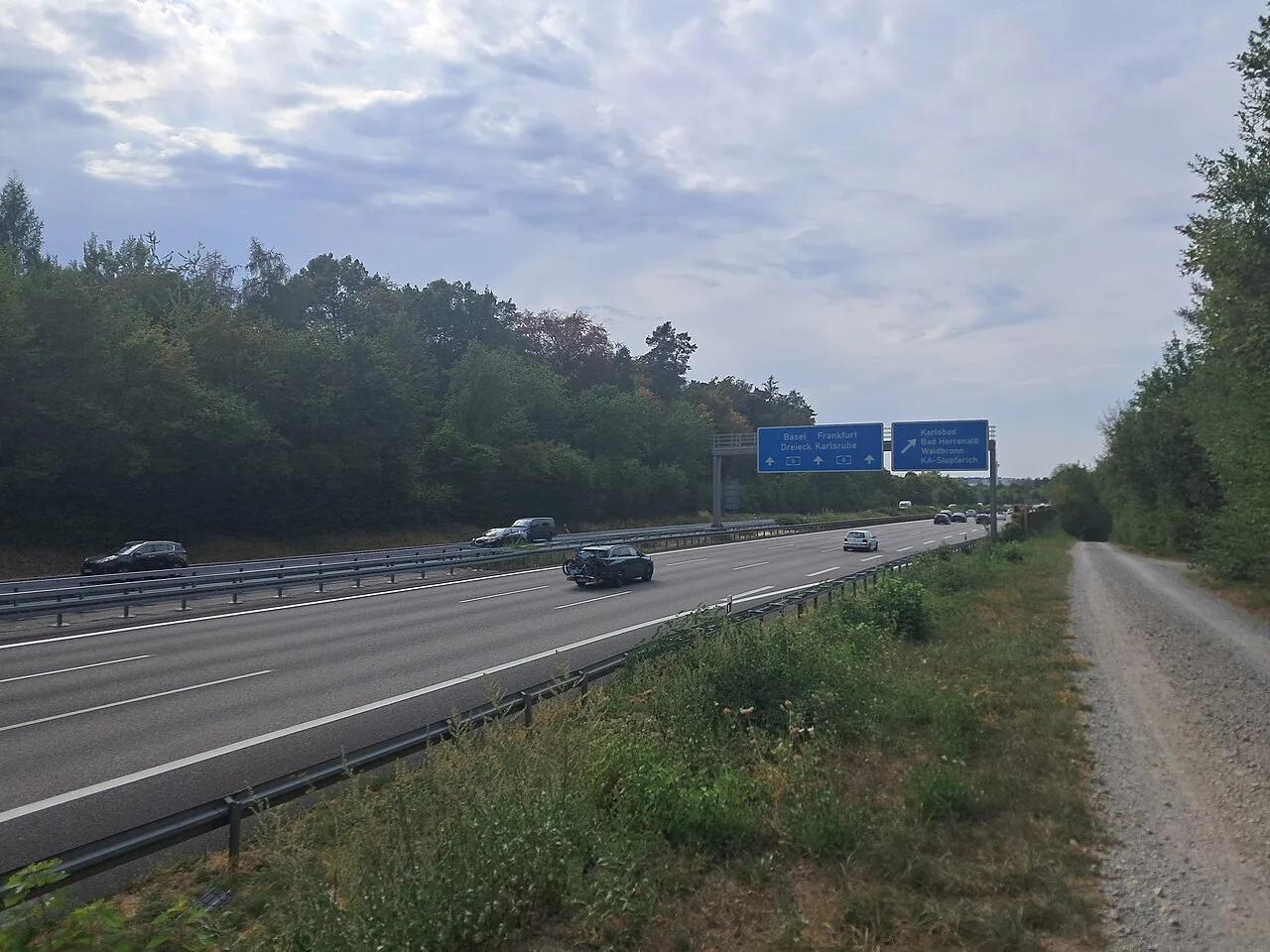
Frankfurt Airport (FRA) is the usual gateway. By car, expect about an hour from the airport to the northern end, via the A5 and A61. By rail, regional trains link Frankfurt with wine towns, and Bad Dürkheim is a useful station. From there you need a bus or taxi for the last mile. Cycling and hiking paths link many vineyards. In the Ahr valley, check the Rotweinwanderweg status on the official Ahr tourism site, because the 2021 flood changed conditions. For national rules and planning, see the German tourist board.
Where to Stay
Pick a base by route style. A village such as Bad Dürkheim or Deidesheim suits walking to dinner. A winery guesthouse gives early access to vineyards. Riverside towns such as Bernkastel-Kues or Rüdesheim suit Mosel and Rhine trips. Skip the route if you want sights only, you do not drink, or you have no car and a tight timeline.
Mistakes to Avoid
Four errors cause most problems on a wine trip.
- Driving after tastings. Germany enforces strict alcohol limits, so name a sober driver or use a train or taxi.
- Arriving in harvest without a booking.
- Treating the route as one continuous drive.
- Assuming every tasting room takes cards.
Combine It With a Bigger Road Trip
A wine stop fits neatly into a longer itinerary. Use our Germany road trip guide to place it. For more routes, see Scenic Drives in Germany: 8 Best Routes and How to Choose. If you like castles, the Castle Road is a natural pairing. Villages and half-timbered towns are the draw on the Romantic Road. For Baden wine country, try the Black Forest High Road (B500) Guide: Route, Stops & Planning.
Frequently Asked Questions
What are the major wine regions in Germany?
Germany has 13 wine regions. They include Ahr, Baden, Franken, Mosel, Nahe, Pfalz, Rheingau, Rheinhessen and Württemberg. For a first trip, the Pfalz, Mosel and Rhine are the usual choices.
What is the most famous German wine?
Riesling is the grape most travelers associate with Germany. It is the headline grape in the Rhine, Mosel and Pfalz. Spätburgunder (Pinot Noir) is the main red, especially in the Ahr.
What is a dry German wine?
Look for "Trocken" on the label. "Halbtrocken" means off-dry. Mosel Rieslings often lean delicately sweet, so ask the producer which style you are tasting.
Road-rule changes worth knowing
Optional updates to our guides.
You might also like

Continue reading
More guides you'll find useful