
German Alpine Road: Route, Stops and Driving Tips
Driving the German Alpine Road? Get the route, best stops, how many days to allow, season limits, and costs to check before you go.
On this page
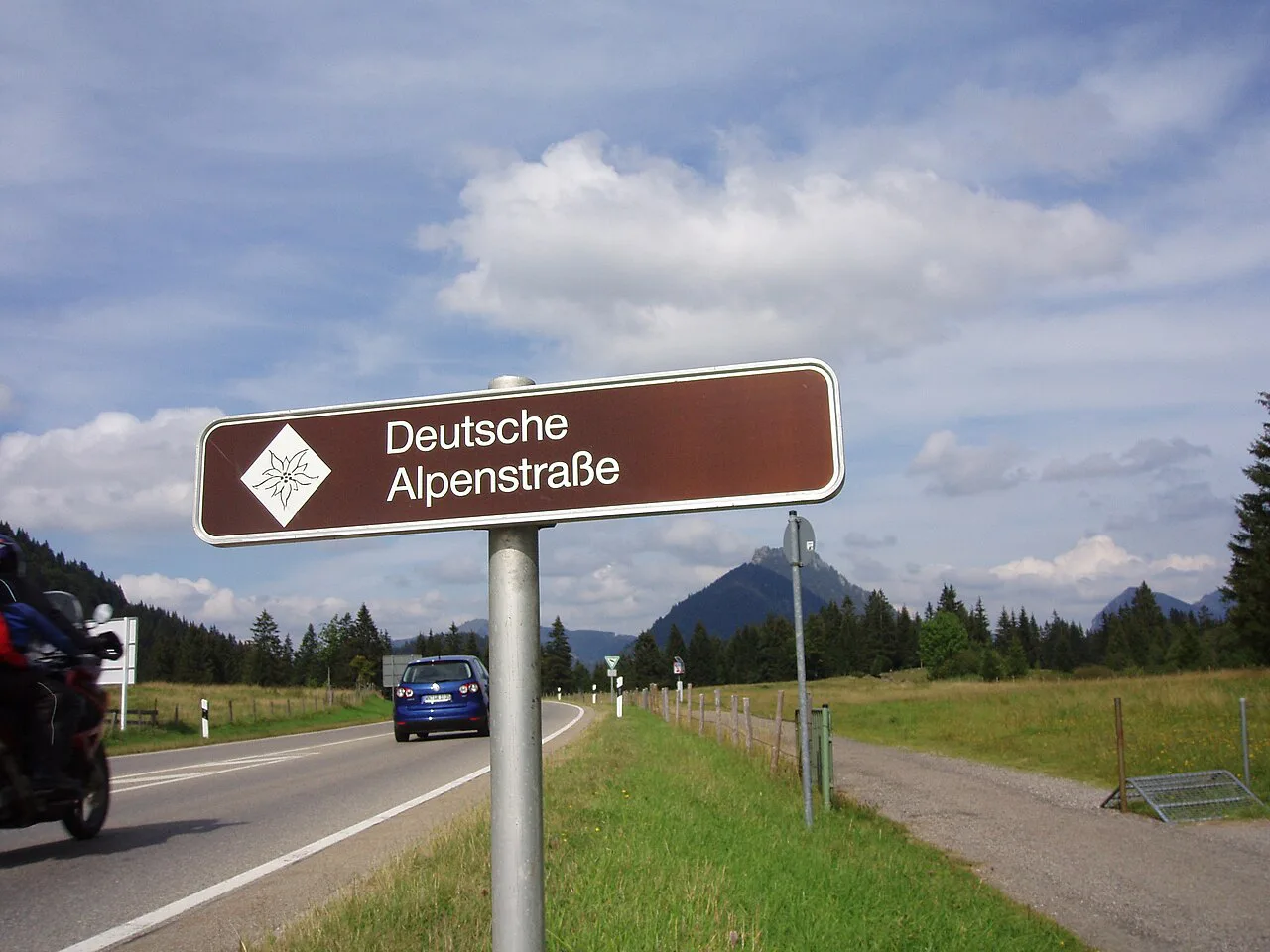
Last updated November 2026. The German Alpine Road (Deutsche Alpenstraße) is a marked touring route of roughly 450 km from Lindau on Lake Constance to Königssee near Berchtesgaden. Plan on a minimum of two days to drive it, and four or five if you want to stop. This guide covers the named route and shows how to turn its highlights into a practical multi-day drive.
Featured image: --Xocolatl (talk) 12:40, 14 May 2010 (UTC), Public domain, via Wikimedia Commons.
German Alpine Road at a glance
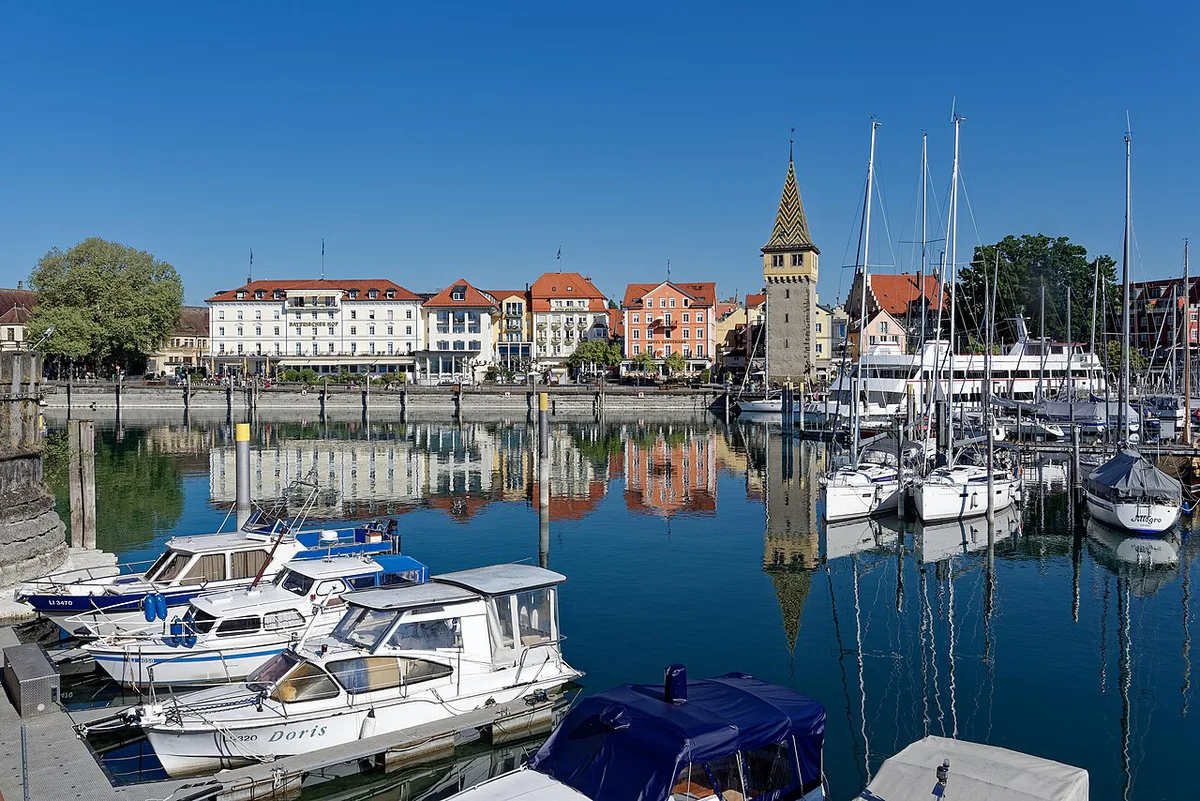
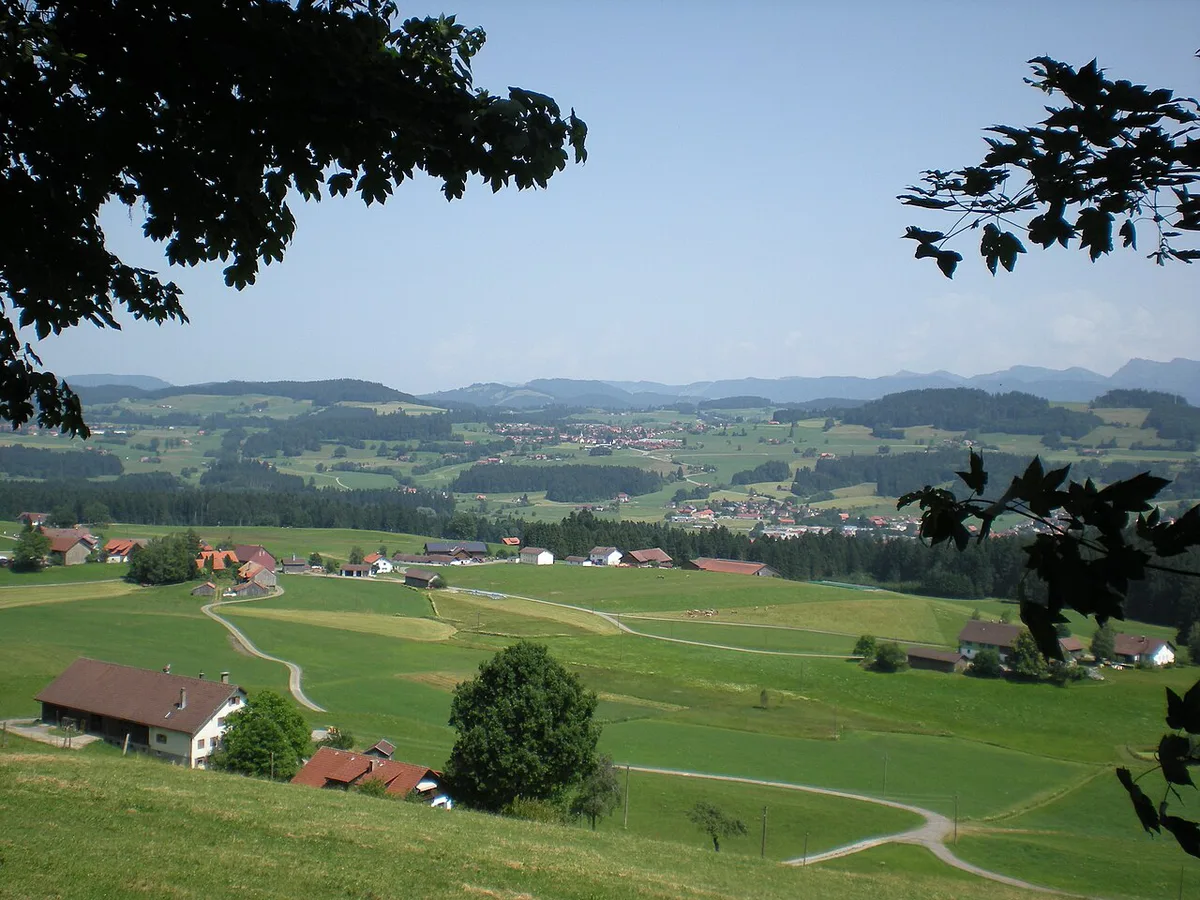
Signs for the route run west to east along the northern edge of the Alps. It starts at Lindau on Lake Constance and ends at Königssee near Berchtesgaden, about 450 km (roughly 280 miles) later. Many online itineraries are actually Munich loops of about 500 km that borrow the same highlights. Those loops are useful, but they are a different trip. The official Alpine Road site describes the signed route itself.
| Item | Detail |
|---|---|
| Route name | Deutsche Alpenstraße |
| Direction | West to east, Lindau to Königssee |
| Length | About 450 km |
| Main towns | Lindau, Oberstdorf, Füssen, Garmisch-Partenkirchen, Berchtesgaden |
| Best months | June to September for full access |
| Car needed? | Yes for the full route; trains cover the main towns |
Where the route goes and what to expect
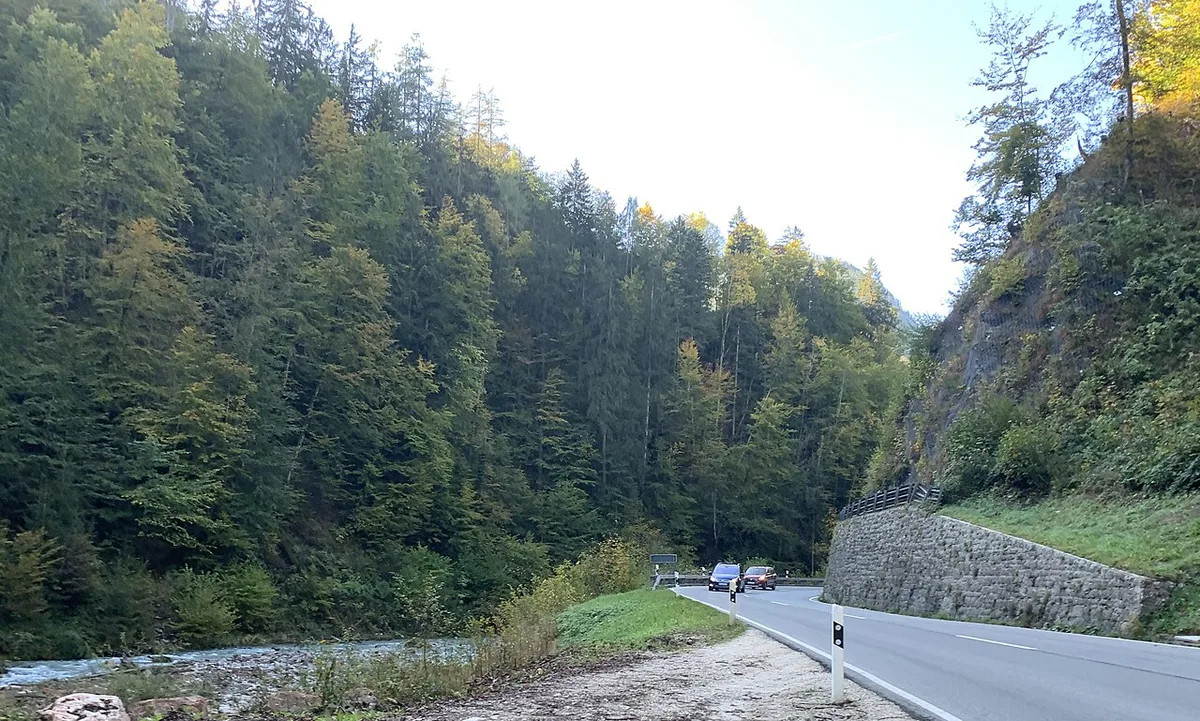
Expect a mix of main roads and slower mountain stretches, with long views of the Alps to the south. Travel times between stops are short, but the stops themselves absorb the day. Garmisch to Berchtesgaden alone takes about 2 hours on the B305. Munich to Füssen is also about 2 hours on the B17. For wider planning, start with our Germany road trip guide.
| Stop | Why go | Time needed | Access note |
|---|---|---|---|
| Lindau | Island old town on Lake Constance | Half a day | Western start of the route |
| Oberstdorf | Allgäu Alps base | Half a day | Walking and cable car access |
| Füssen | Old town below the High Castle, near Neuschwanstein | 1 day | Park at Hohenschwangau, not at the castle |
| Linderhof | Smallest of Ludwig II's three palaces | Half a day | Guided tour only; timed slots |
| Garmisch-Partenkirchen | Zugspitze, Partnachklamm, Eibsee | 1 to 2 days | Cable car from Eibsee |
| Berchtesgaden | Königssee boats, Kehlsteinhaus | 1 to 2 days | Kehlsteinhaus bus only |
Best stops along the route
Group the highlights by area and pick one anchor per area. That keeps drive days short and leaves time for the lakes.
- Füssen and Allgäu: Neuschwanstein is worth it if you book a timed ticket and can walk the 30 to 40 minutes up to the Marienbrücke. Skip the interior if you arrive late in the afternoon. Füssen is also the southern end of the Romantic Road through Bavaria.
- Ammergau: Linderhof is worth it if you want a palace that Ludwig II actually lived in. Skip it on a one-day trip, because the tour is guided and slots are timed. Castle fans can compare it with the Castle Road route, which is a different drive.
- Garmisch-Partenkirchen: Eibsee is worth it for the 7 km loop, which takes 2 to 3 hours. Zugspitze, at 2,962 m, is worth it only on a clear day. Partnachklamm is a 700 m gorge walk that suits cloudy weather.
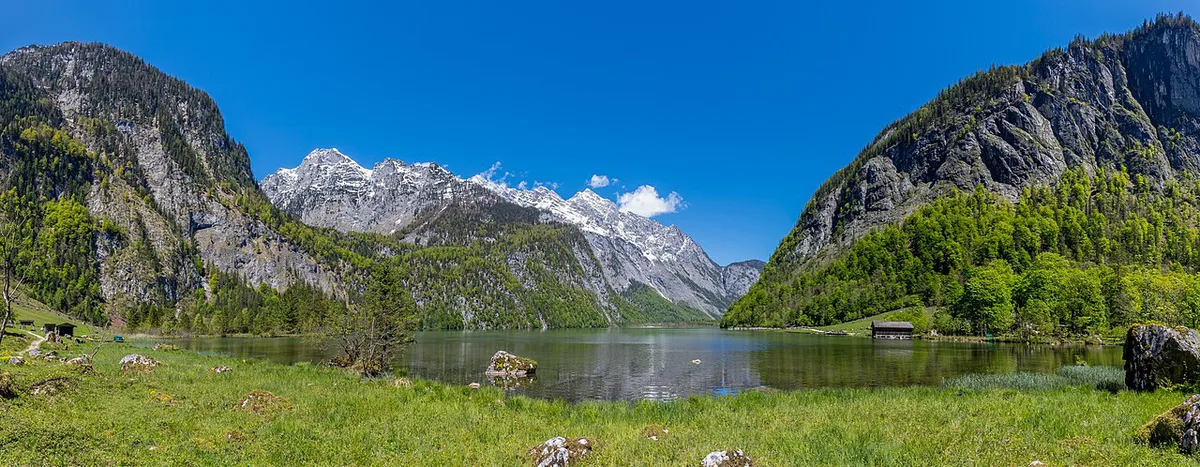
- Berchtesgaden: Königssee stretches 7.7 km and is the best stop on the eastern half. Boats start around 8am in summer. Kehlsteinhaus (Eagle's Nest) is worth it if you want the history and the view; it opens mid-May to October only.
- Chiemsee: Herrenchiemsee is a side trip by boat from Prien, with a guided tour of about 40 minutes. Skip it if you are short on days.
How many days to allow on the German Alpine Road
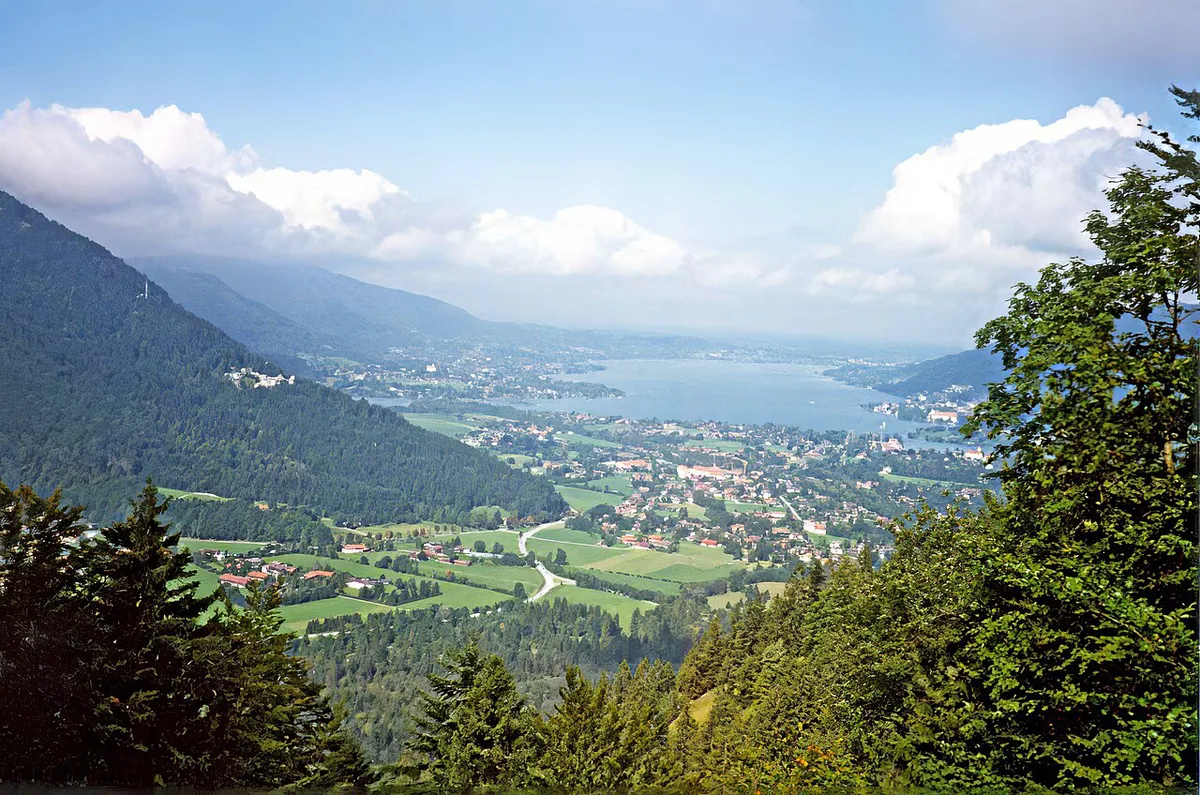
Two days covers the drive and little else. Four or five days lets you see the major stops without rushing. A full seven days is the point where Königssee gets a second day and Chiemsee fits in. Longer itineraries often return to Munich by car, but a one-way drive and a train back is an alternative worth pricing.
Herrenchiemsee needs only a guided tour of about 40 minutes, yet it only fits in on a seven-day trip.
| Days | Plan | Cut first |
|---|---|---|
| 2 | Füssen and Neuschwanstein, then Garmisch and Eibsee | Linderhof, Chiemsee, Berchtesgaden |
| 3 | Add Linderhof and an evening in Berchtesgaden | Chiemsee, Zugspitze summit |
| 5 | Füssen, Garmisch, then two nights in Berchtesgaden | Chiemsee |
| 7 | Munich start, Königssee on two days, Chiemsee on the way back | Nothing; this is the full loop |
Driving it: direction, car rental and parking
West to east follows the route's own numbering and ends at the best lake. Munich Airport is the easiest pick-up point for a loop, because all major rental companies operate there. Automatic cars handle every road on this route, and summer rental availability shrinks fast. Parking fills early at Neuschwanstein, Eibsee and Königssee, so arrive before 8am where you can. Eibsee's car park is reported full by 10am in summer. Kehlsteinhaus is reached by a special bus from the Documentation Centre parking area, as private cars cannot drive to the top. Our Munich to Salzburg drive covers the border extension.
Costs, tickets and booking lead times
Prices and hours checked November 2026 for the categories below; confirm exact fares on each operator's site. Partnachklamm entry is about €5 for adults. Neuschwanstein and Linderhof use timed entry, and summer slots can sell out days or weeks ahead. Königssee boats and the Zugspitze cable car are priced by the operator. Official palace listings are on the Bavarian palace site, and general route planning is on the German National Tourist Board site.
| Category | Book ahead? | Where to check |
|---|---|---|
| Neuschwanstein tickets | Yes, in summer | Bavarian palace department |
| Linderhof tour | Yes, in summer | Bavarian palace department |
| Zugspitze cable car | Helpful on clear days | zugspitze.de |
| Königssee boats | Arrive early; timetable varies | konigssee.de |
| Kehlsteinhaus bus | Seasonal | kehlsteinhaus.de |
| Parking | Daily fee at major sites | On-site signs |
Best time to go and seasonal limits
June to September gives you open attractions, running boats and reliable mountain conditions. Kehlsteinhaus operates mid-May to October. Königssee boats run to Salet from Easter Saturday to mid-October, and only to St. Bartholomä outside that window. July and August bring Bavarian school holidays, and crowds at Neuschwanstein and Königssee. Late September and October offer fewer people and autumn colour. Winter driving needs proper tyres, so read the ADAC winter tyre guidance before a cold-season trip. When peaks are in cloud, swap summit rides for Partnachklamm, Linderhof or Herrenchiemsee.
Where to stay along the route
Three bases cut daily driving. Füssen suits Neuschwanstein and Linderhof, Garmisch-Partenkirchen suits Eibsee and Zugspitze, and Berchtesgaden suits Königssee.
Basing in Munich for the whole trip adds about 2 hours each way, so a Füssen or Berchtesgaden base saves that drive daily.
- Füssen: best for first-timers and castle visitors.
- Garmisch-Partenkirchen: best for hikers and early starts at Eibsee.
- Berchtesgaden: best for two days at Königssee and Kehlsteinhaus.
- Munich: best if you fly in and want one hotel, but it adds about 2 hours each way.
Mistakes to avoid
Most problems come from timing, not distance.
- Skipping timed tickets for Neuschwanstein or Linderhof in summer.
- Arriving at Eibsee or Königssee after mid-morning.
- Underestimating drive times such as the 2 hours from Garmisch to Berchtesgaden.
- Treating Munich as the route start by default.
- Planning a Zugspitze summit without a weather fallback.
- Missing Kehlsteinhaus because it closes outside mid-May to October.
Related drives and next steps
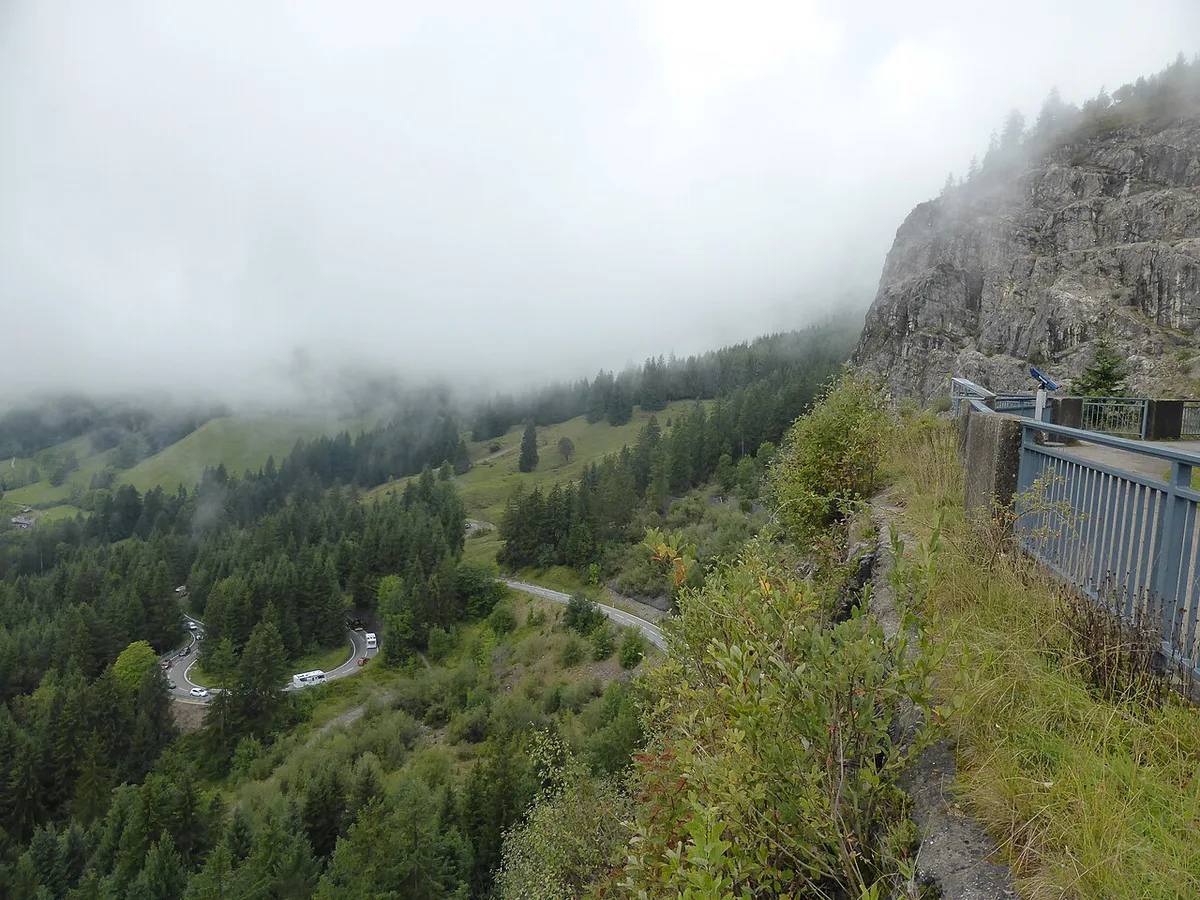
Other regions suit a second trip. Browse more scenic drives across Germany for alternatives. The Black Forest High Road (B500) Guide: Route, Stops & Planning is a western option. The German Wine Route (Deutsche Weinstraße): Which to Drive suits a lower-altitude trip.
Can You Do the German Alpine Road Without a Car?
You can visit several headline stops without driving, but public transport does not recreate the full signed route. The Deutsche Alpenstraße runs about 450 km from Lindau to Königssee, and a car is still the practical choice for linking its smaller mountain sections.
Use trains for a point-to-point trip between the main bases, then stay overnight rather than attempting long day trips. Füssen, Garmisch-Partenkirchen and Berchtesgaden are the most useful bases named in this guide. From Garmisch, the cable car departs from Eibsee for Zugspitze access. At Königssee, boats provide the onward journey on the lake.
Plan at least 2 days if you combine Füssen and Garmisch, but allow more time if Berchtesgaden is included. Neuschwanstein also requires a 30 to 40 minute uphill walk to Marienbrücke. Kehlsteinhaus is simpler without a car than it sounds, as private cars cannot use the final road and visitors take the dedicated bus.
Frequently Asked Questions
What is the best driving route through the Alps?
In Germany, the German Alpine Road is the signed option, running about 450 km from Lindau to Königssee. Plan at least two days. Four or five days lets you stop at Füssen, Garmisch-Partenkirchen and Berchtesgaden.
What is a good itinerary for a trip to Bavaria?
A five-day version works well. Spend a night or two in Füssen, one in Garmisch-Partenkirchen, and two in Berchtesgaden. Add Herrenchiemsee only if you have a seventh day.
Which part of Germany has mountains?
The Alps run along Bavaria's southern edge. The German Alpine Road follows that edge from Lake Constance to Königssee.
Road-rule changes worth knowing
Optional updates to our guides.
You might also like

Continue reading
More guides you'll find useful